Understanding Textile Pigments for Vibrant and Durable Coloration
Understanding Textile Pigments for Vibrant and Durable Coloration
Understanding Textile Pigments: A Comprehensive Guide
Textile pigments are crucial components in the dyeing and printing of fabrics, offering vibrant and durable coloration. Unlike dyes, which dissolve in the application medium, pigments remain as insoluble particles, providing excellent lightfastness and wash fastness. Choosing the right textile pigment is essential for achieving desired aesthetic and performance characteristics. This article will explore the different types of textile pigments, their applications, key considerations for selection, and emerging trends.
Types of Textile Pigments
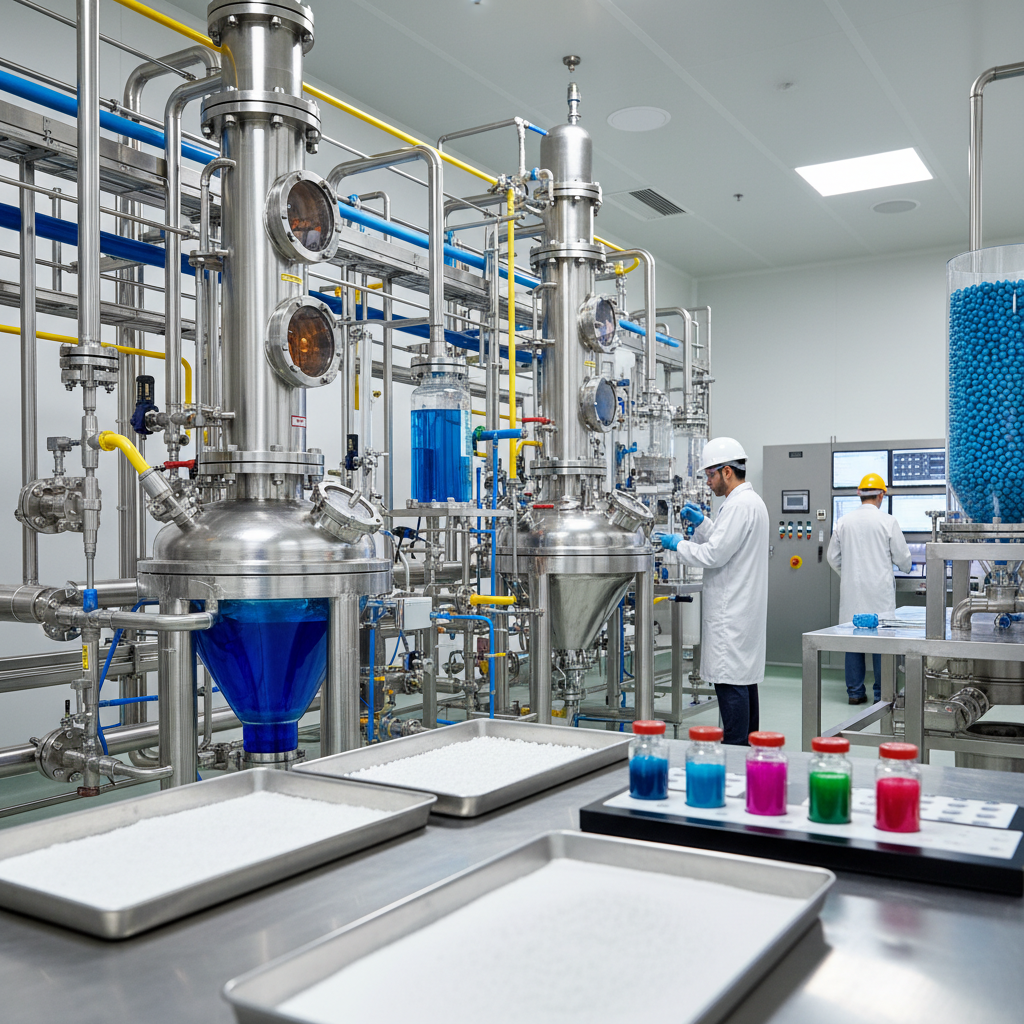
Textile pigments can be categorized based on their chemical composition and color index. Common types include organic pigments, inorganic pigments, and fluorescent pigments. Organic pigments, like azo pigments and phthalocyanine pigments, offer a wide range of bright colors but may have lower lightfastness compared to inorganic pigments. Inorganic pigments, such as iron oxides and titanium dioxide, provide excellent lightfastness and durability, although their color palette is more limited. Fluorescent pigments offer vibrant, glowing colors, ideal for high-visibility applications. Dyeingchem offers a diverse selection of pigments to suit various textile applications.
Key Highlights: Pigments remain as insoluble particles, offering excellent light and wash fastness compared to dyes. They are categorized into organic, inorganic, and fluorescent types.
Applications of Textile Pigments
Textile pigments find extensive use in various applications, including garment dyeing, textile printing, and coating. They are commonly used for dyeing cotton, polyester, nylon, and other synthetic fabrics. Pigment printing is a popular technique for creating patterned designs on textiles, offering excellent wash fastness and rub resistance. Pigment coatings are used to enhance the functionality of fabrics, providing water repellency, UV protection, and other specialized properties. Different pigments are better suited for specific fabric types and printing methods.
Application Benefits:
• Excellent wash fastness and rub resistance
• Wide range of color options
• Suitable for various fabric types
• Can enhance fabric functionality
Textile Pigment Selection: Organic vs. Inorganic
Choosing between organic and inorganic textile pigments depends on the specific application requirements. Organic pigments offer a broader color range and higher tinctorial strength (color intensity) but may be less durable. Inorganic pigments provide superior lightfastness, wash fastness, and heat stability, making them ideal for demanding applications. Consider the desired color shade, fabric type, end-use requirements, and cost factors when making your selection. Dyeingchem's technical team can provide expert guidance on pigment selection.
Key Considerations When Purchasing Textile Pigments
When sourcing textile pigments, it’s vital to consider factors beyond just color and cost. Purity, particle size, dispersibility, and compatibility with the chosen binder system are all crucial. Ensure the pigments meet relevant environmental regulations and safety standards. Working with a reputable supplier like Dyeingchem ensures consistent quality and reliable performance. Always request technical data sheets and conduct thorough testing before implementing a new pigment in your production process.
Emerging Trends in Textile Pigments
The textile pigment industry is constantly evolving. Current trends include the development of eco-friendly pigments derived from sustainable sources, high-performance pigments with enhanced durability and fastness properties, and digital printing pigments optimized for inkjet technology. Nanotechnology is also playing a growing role, enabling the creation of pigments with unique optical effects and functionalities. Dyeingchem is committed to staying at the forefront of these innovations, offering cutting-edge pigment solutions to its customers.
Conclusion: Selecting the Right Textile Pigment
Choosing the right textile pigment is a critical decision impacting the quality, durability, and aesthetics of your textile products. By understanding the different types of pigments, their applications, and key selection criteria, you can ensure optimal performance and customer satisfaction. Partnering with a reliable supplier like Dyeingchem provides access to high-quality pigments and expert technical support.
Frequently Asked Questions (FAQs)
What is the difference between a pigment and a dye?
The key difference lies in solubility. Dyes dissolve in the application medium (water, solvent), forming a true solution, while pigments remain as insoluble particles dispersed within the medium. This difference affects their application methods and fastness properties. Dyes generally offer brighter shades but lower wash and light fastness compared to pigments. Pigments are less prone to fading and bleeding, making them suitable for applications requiring high durability.
How do I ensure proper pigment dispersion?
Proper pigment dispersion is crucial for achieving uniform coloration and optimal fastness properties. This typically involves using a dispersing agent to reduce particle agglomeration and improve wetting. Mechanical mixing, such as ball milling or high-speed dispersion, is also essential. The choice of dispersing agent and mixing method depends on the specific pigment and application system. Always follow the manufacturer's recommendations for dispersion procedures.
Are there any eco-friendly textile pigment options available?
Yes, the demand for eco-friendly textile pigments is growing. Options include pigments derived from natural sources (e.g., plant extracts, minerals), pigments with lower VOC content, and pigments manufactured using sustainable processes. Dyeingchem offers a range of eco-friendly pigment options to help reduce the environmental impact of textile production.
What is the impact of pH on pigment stability?
The pH of the application medium can significantly impact pigment stability and color development. Some pigments are sensitive to acidic or alkaline conditions, leading to color changes, precipitation, or degradation. It's essential to maintain the optimal pH range specified by the pigment manufacturer. Buffering agents may be added to the formulation to stabilize the pH and ensure consistent results.