Mastering The Art Of Two Tone Leather Dyeing For Stunning Results
Mastering The Art Of Two Tone Leather Dyeing For Stunning Results
Unlocking Vibrant Results with Two Tone Leather Dyeing
Two tone leather dyeing is a captivating technique that elevates leather goods from simple to stunning. It involves applying two different dye colors to a single leather piece, creating depth, contrast, and unique visual appeal. This process is widely utilized in fashion, upholstery, and crafting, offering a sophisticated finish for belts, bags, shoes, and furniture. At Dyeingchem, we provide high-quality dyes and expert solutions to help you achieve exceptional two-tone leather dyeing results. This article will explore the nuances of this technique, its applications, best practices, and the essential chemicals required for success.
Understanding the Basics of Two Tone Leather Dyeing
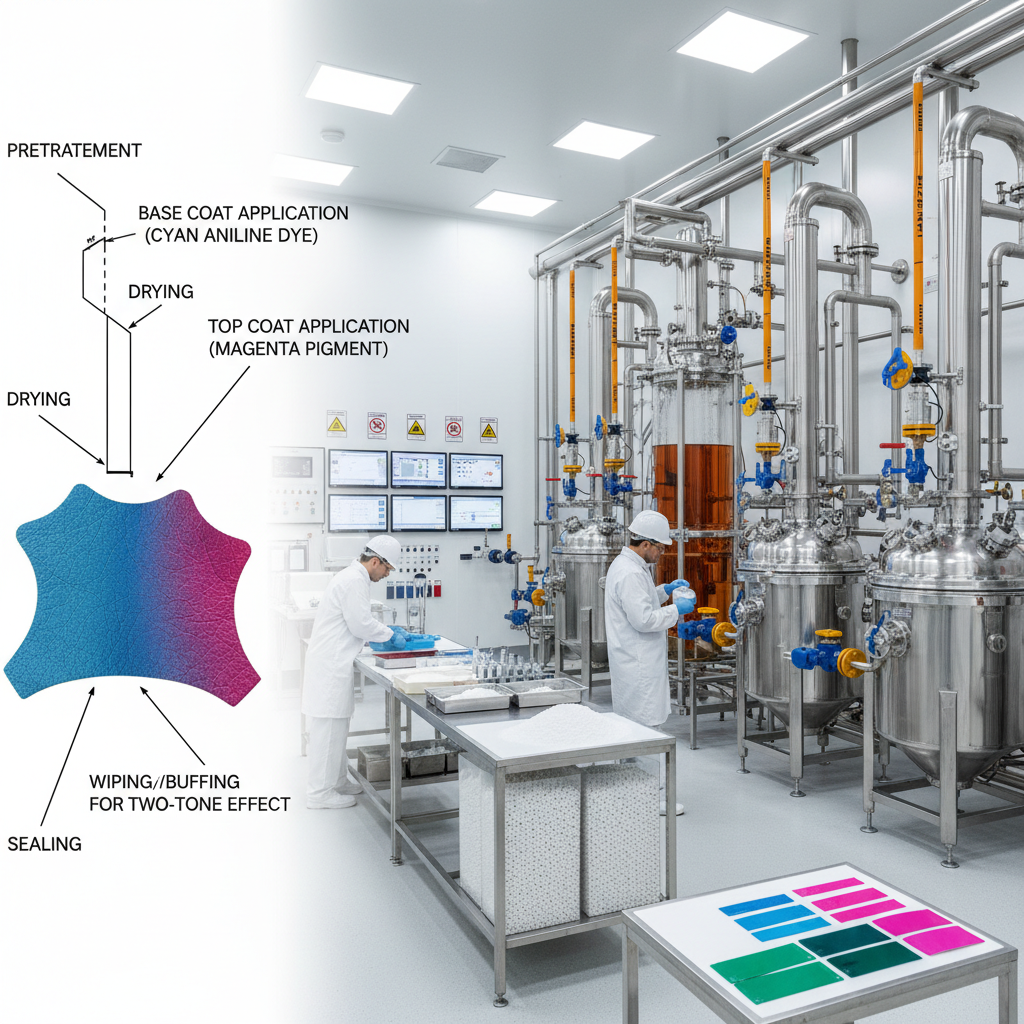
Two tone leather dyeing isn't simply about slapping on two colors. It requires careful planning and execution. The key lies in strategically applying the dyes to create the desired effect. Common techniques include edge dyeing, where a contrasting color is applied to the edges of the leather, and panel dyeing, where different sections of the leather are dyed separately. Masking is crucial for defining clear boundaries between the colors. Proper leather preparation is also paramount for optimal dye absorption and a lasting finish. Selecting the right dyes is essential; they must be compatible with the leather type and provide the desired color vibrancy and durability. Dyeingchem offers a wide selection of leather dyes specifically designed for two-tone applications.
Key Considerations: Leather preparation, dye compatibility, masking techniques, and application precision are vital for achieving professional-looking two-tone results.
Essential Chemicals for Successful Two Tone Dyeing
The success of two tone leather dyeing relies heavily on the quality and type of chemicals used. Here's a breakdown of essential components: Leather Dyes: Acid dyes, direct dyes, and solvent dyes are common choices, each with its own advantages regarding colorfastness and leather compatibility. Deglazer: Removes the factory finish, allowing for better dye penetration. Leather Preparer/Conditioner: Prepares the leather for dyeing, ensuring even absorption. Masking Agents: Used to protect areas that shouldn't be dyed. Neutralizers: Balance the pH of the leather after dyeing. Finishing Agents: Seal the dye and provide a protective coating. Dyeingchem provides a comprehensive range of these chemicals, ensuring a consistent and high-quality outcome.
Comparing Dye Types for Two Tone Leather Dyeing
Choosing the right dye type is crucial. Each type has its strengths and weaknesses when it comes to two-tone applications. Here’s a comparative look:
Two Tone Leather Dyeing: Application Techniques
Several application techniques can be employed to achieve stunning two-tone effects. Edge Dyeing involves applying a contrasting color to the edges of the leather, accentuating its shape and adding a refined touch. Panel Dyeing is ideal for creating distinct color blocks, perfect for bags or wallets. Sponging and Swiping techniques create subtle gradients and blended effects. Resist Dyeing utilizes masking materials to create intricate patterns. Proper preparation, including thorough cleaning and deglazing, is critical before applying any dye. Remember to always test your dyes on a scrap piece of leather to ensure the desired color and effect. Dyeingchem offers detailed tutorials and expert advice on these techniques.

Product Spotlight: Dyeingchem's Two Tone Dyeing Kits
To simplify the two-tone dyeing process, Dyeingchem offers comprehensive kits tailored to different leather types and desired effects. These kits include all the necessary chemicals, tools, and detailed instructions, making it easy for both beginners and experienced artisans to achieve professional results. Below is a specification table for our most popular kit:
Conclusion: Unleash Your Creativity with Two Tone Leather Dyeing
Two tone leather dyeing offers a world of creative possibilities. With the right techniques, chemicals, and tools – all readily available at Dyeingchem – you can transform ordinary leather into extraordinary pieces. Experiment with different color combinations, application methods, and finishing techniques to create truly unique and personalized designs. Embrace the art of two tone dyeing and elevate your leatherworking to a new level.
Frequently Asked Questions (FAQs)
What type of leather is best suited for two tone dyeing?
Vegetable-tanned leather is generally considered the best choice for two tone dyeing due to its excellent dye absorption properties. However, chrome-tanned leather can also be dyed with specific dyes designed for this type of leather. It’s important to consider the leather’s finish and thickness, as these factors can impact the final result. Always test a small area first to ensure compatibility.
How do I prevent dye bleeding in two tone leather dyeing?
To minimize dye bleeding, ensure the leather is properly deglazed and cleaned before dyeing. Use high-quality dyes specifically formulated for leather and follow the manufacturer's instructions carefully. Apply a sealant or finish after dyeing to lock in the color and prevent migration. Avoid over-saturating the leather with dye, as this can lead to bleeding. Proper fixation and rinsing steps are also crucial.
What safety precautions should I take when working with leather dyes?
Leather dyes can contain chemicals that may be harmful if not handled properly. Always wear gloves, eye protection, and a respirator when working with dyes. Work in a well-ventilated area to avoid inhaling fumes. Avoid contact with skin and eyes. Read and follow the safety data sheet (SDS) for each dye carefully. Dispose of waste materials properly according to local regulations.
Where can I find more resources and tutorials on two tone leather dyeing?
Dyeingchem’s website features a comprehensive library of resources, including tutorials, guides, and product information. You can also find helpful videos and articles on leatherworking forums and communities online. We also offer personalized support and expert advice to help you achieve the best results.