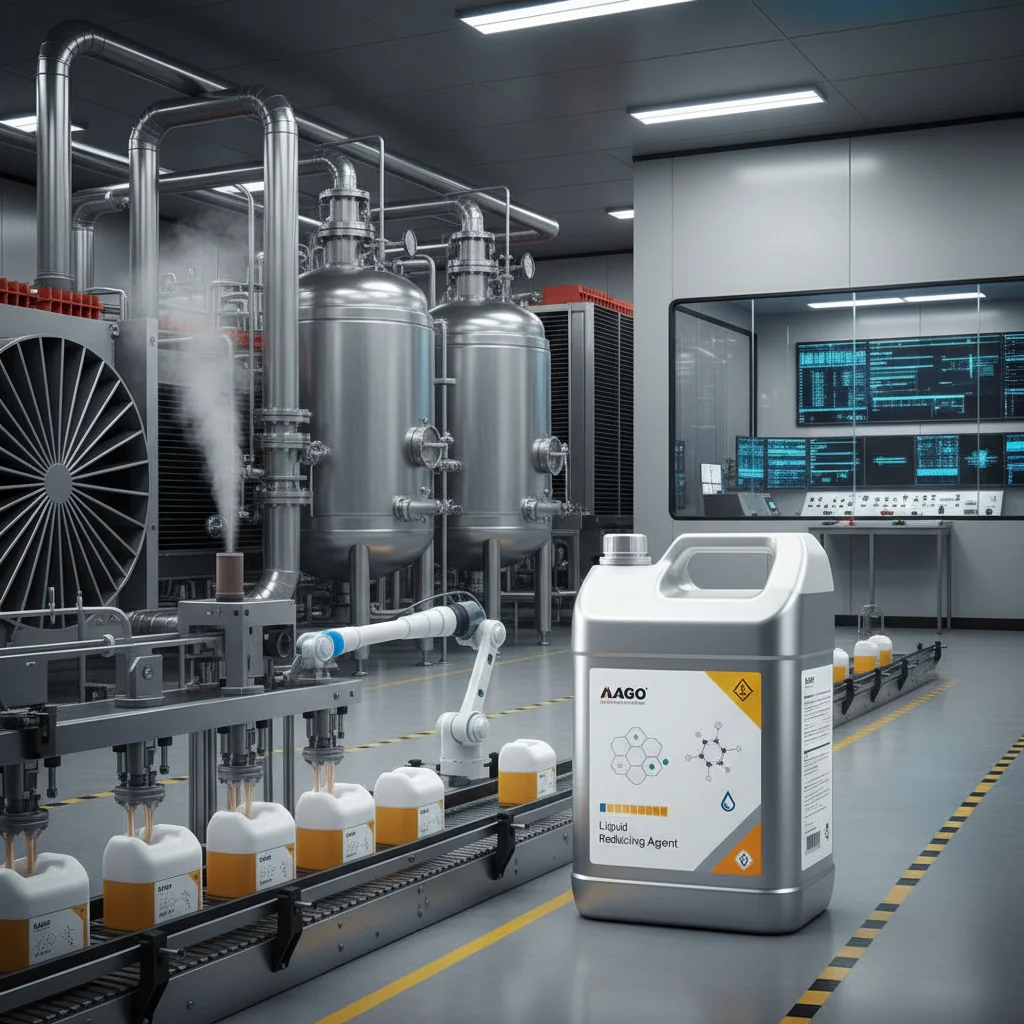
How Proteases Are Involved in Industry and Life: Global Insights & Applications
How Proteases Are Involved in Industry and Life: Global Insights & Applications
Understanding How Proteases Are Involved in Modern Industry and Biology
Proteases are involved in a surprising array of critical processes both in nature and industry, and grasping their roles honestly feels like uncovering a secret ingredient behind many life-saving technologies and products. Globally, they matter because they underpin everything from healthcare breakthroughs to sustainable manufacturing. If you think about enzymes like proteases as tiny molecular scissors, their precision and efficiency drive advancements that benefit virtually every sector.
Introduction: Global Context of Proteases Are Involved in
From the World Health Organization highlighting enzyme therapies to the UN’s emphasis on biotechnology for sustainable development, proteases are involved in critical global challenges like disease treatment, food security, and environmental management. The market for industrial enzymes, heavily driven by proteases, recently eclipsed $6 billion globally, with growth expected to accelerate in emerging economies due to their broad utility. But here’s the problem: despite their potential, the complexity of protease applications often hamstrings efforts to scale their benefits effectively.
Mini takeaway: Recognizing proteases’ global impact sets the stage for understanding their diverse applications and challenges.
What Does it Mean That Proteases Are Involved In...
Simply put, proteases are enzymes that break down proteins by cleaving peptide bonds. Saying “proteases are involved in” anything means these molecular machines participate actively—whether in biological systems like digestion or in industrial setups such as detergent formulation. Their involvement spans natural bodily functions to cutting-edge biochemical processes, linking them directly to innovation in medicine, agriculture, and environmental care.
Key Factors Where Proteases Play a Role
1. Enzymatic Specificity and Activity
The exact cutting action proteases perform depends on their type — serine, cysteine, aspartic, or metalloproteases — each suited to different substrates and conditions. Industry leverages this specificity for targeted protein breakdown, maximizing efficiency in processes like leather tanning or waste treatment.
2. Stability Under Harsh Conditions
For industrial uses, proteases must remain stable despite extremes of pH, temperature, or chemical exposure. This trait ensures long-lasting performance, especially in detergents or biofuel production.
3. Scalability and Production
Scaling protease production via fermentation or recombinant DNA technology has enabled mass-market availability, reducing costs and expanding accessibility globally.
4. Environmental Compatibility
Many proteases are biodegradable and considerably less toxic than traditional chemical agents, fueling demand in eco-conscious sectors and regulatory bodies.
Mini takeaway: The effectiveness and sustainability of protease use hinge on their specificity, stability, scalability, and environmental profile.
Global Applications & Use Cases
- Healthcare: Proteases are involved in clot-dissolving medications and wound debridement therapies, dramatically improving patient outcomes.
- Food Industry: They tenderize meat, improve cheese ripening, and assist in brewing and baking processes.
- Cleaning Products: Industrial detergents incorporate proteases to break down protein stains effectively.
- Waste Management: Protease enzymes accelerate organic waste decomposition, supporting circular economy models in agriculture.
- Biotechnology and Research: Proteases are tools in molecular biology, enabling protein analysis and manipulation.
Mini takeaway: Proteases’ diverse industry roles make them indispensable across global sectors.
Advantages & Long-Term Value
Harnessing proteases isn’t just about cutting costs — though they’re excellent for that. It’s about sustainability, precision, and dignity, too. For example, using enzymatic cleaning agents reduces harmful chemical usage, lessening environmental burden and workplace safety risks. Patients receiving protease-based drugs experience less invasive treatments, which fosters trust in medical innovation. We see both immediate and long-term benefits, for the planet and individuals alike.
Future Trends & Innovations
The future is exciting. Advances in protein engineering and AI-driven enzyme design promise “smart” proteases with adjustable activity for tailored industrial needs. Digital transformation is integrating protease monitoring in real time through biosensors, optimizing processes. Green energy initiatives highlight proteases’ roles in biofuel synthesis, lowering carbon footprints. We might even see modular bioreactors close to production sites, reducing transport emissions—a practical game-changer.
Challenges & Solutions
Despite strides, challenges remain. Protease stability can falter with extreme pH shifts in some applications, and large-scale production may face bottlenecks due to fermentation limits or purity demands. Fortunately, recombinant technology and immobilized enzyme systems offer promising fixes by enhancing durability and reusability. Oddly enough, the best solution sometimes looks like going back to nature, mimicking extremophile organisms that produce inherently robust proteases.
Product Specification Table: A Typical Industrial Protease
| Specification | Details |
|---|---|
| Type | Serine Protease |
| Optimal pH | 8.0 - 10.0 |
| Temperature Range | 30-60 °C |
| Specific Activity | 150 U/mg |
| Source | Bacillus subtilis (fermentation) |
Vendor Comparison Table: Protease Suppliers
| Vendor | Product Range | Production Method | Global Reach | Price Range |
|---|---|---|---|---|
| Enzo Biochem | Broad (medical, industrial) | Recombinant expression | Worldwide | $$$ |
| Novozymes | Industrial enzymes focus | Fermentation & engineering | Global | $$ |
| Creative Enzymes | Custom proteases & R&D | Recombinant expression | International | $$$ |
FAQs About Proteases Are Involved In
- What industries benefit the most from proteases?
- Proteases are widely used in food processing, detergents, pharmaceuticals, and waste management sectors. Their protein-cleaving action is valuable wherever there's a need to modify or degrade proteins efficiently.
- How can protease enzymes impact sustainability?
- By replacing harsh chemicals in cleaning or manufacturing, proteases reduce environmental pollution and energy consumption. Their biodegradability and specificity help in creating greener industrial processes.
- Are all proteases equally stable in industrial conditions?
- No, stability varies widely. Some proteases work best at neutral pH and moderate temperatures, while others are engineered or sourced from extremophiles to handle high heat or alkaline situations.
- How do companies produce large quantities of proteases?
- Mostly via fermentation of bacteria or fungi that naturally produce these enzymes, or through recombinant DNA technology expressing protease genes in optimized hosts to scale production efficiently.
- Can protease products be customized for specific applications?
- Absolutely. Many vendors offer tailored protease blends or enzyme modifications to meet precise industry needs, enhancing performance and cost-effectiveness.
Conclusion
To wrap it up, proteases are involved in many threads weaving the fabric of modern science and industry. Their unparalleled ability to cut proteins precisely has led to innovations that save time, money, and sometimes lives. As we embrace greener policies and smarter technologies, proteases will doubtless stay center stage in solving tomorrow’s challenges. Curious to learn more? Visit our website: https://www.dyeingchem.com.
It’s been fascinating to see how enzymes so tiny can have so much clout, isn’t it? The next time you use a detergent or hear about new biotech drugs, you might just remember — proteases are involved.