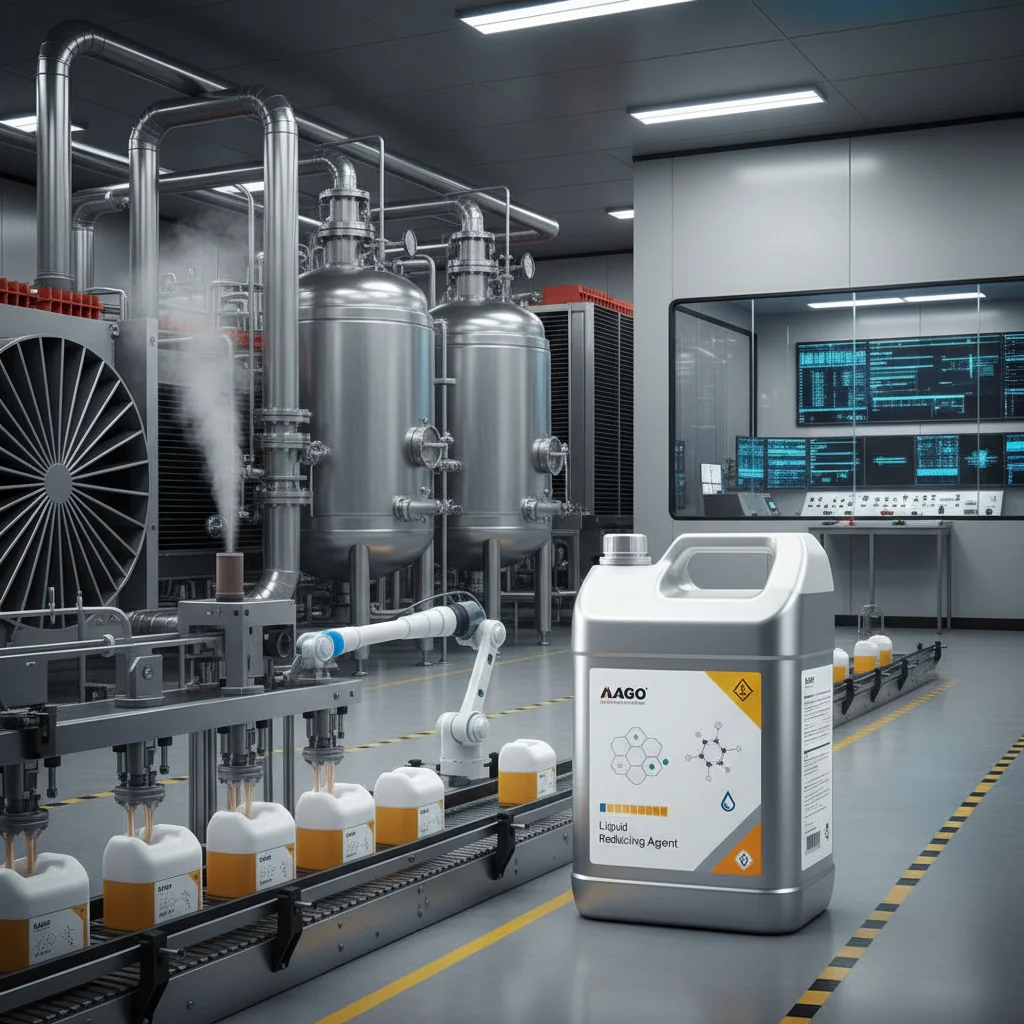
What Is the Function of Protease Enzyme in Industry?
What Is the Function of Protease Enzyme in Industry?
What Is the Function of Protease Enzyme in Industrial Applications?
Having spent over a decade in the industrial equipment sector, I’ve come across quite a few biochemical products, but protease enzymes always stand out to me. You know, they’re not just lab curiosities – they play a pivotal role across industries, from textiles to detergents. So, what exactly do protease enzymes do? At their core, they’re catalysts that break down proteins into smaller peptides or amino acids. But this simplistic definition barely scratches the surface of their practical uses.
In real terms, protease enzymes accelerate the hydrolysis of protein bonds, making them invaluable in processes that require the removal or modification of proteinaceous materials. For instance, in textile dyeing and finishing, proteases help clean fabric fibers by digesting residual proteins without damaging the delicate fibers—a step that enhances dye uptake and ensures consistency.
Oddly enough, many engineers I’ve met say they often underestimate protease because it sounds purely biological. But I’ve seen firsthand how formulation adjustments or switching to a high-purity protease can dramatically improve efficiency on the plant floor. Plus, since proteases target specific peptide bonds, their action can be pretty gentle or robust, depending on the source and type.
Speaking of sources, proteases generally come from microbial, plant, or animal origins. Each type brings unique characteristics: microbial proteases are preferred for industrial use due to their stability at high temperatures and varying pH environments. This robustness makes them versatile for harsh processing conditions where animal-derived proteases would simply denature.
To give you a clearer picture, here is a basic product specification table representing a common microbial protease used in the textile industry:
| Specification | Detail |
|---|---|
| Source | Bacillus subtilis (Microbial) |
| Activity Level | ≥ 15,000 U/g |
| Optimum pH | 7.0 - 10.0 |
| Optimum Temperature | 50°C - 60°C |
| Appearance | Light brown powder |
From an operational perspective, integrating protease enzymes allows for shorter processing times and reduced chemical usage—a win-win for manufacturers mindful of sustainability or cost control. Frankly, this has made such enzymes a staple, especially as environmental regulations tighten around chemical effluents in wastewater.
Now, when it comes to sourcing, not all proteases are created equal. This is where vendor comparison comes in handy. Below is a straightforward table comparing three common protease enzyme suppliers, based on factors I’ve noticed during my site visits and audits:
| Vendor | Activity (U/g) | Stability (pH range) | Cost Efficiency | Support & Customization |
|---|---|---|---|---|
| DyeingChem | ≥ 15,000 | pH 6-11 | High | Excellent (tailored formulations) |
| BioEnzymes Co. | 13,000 - 14,500 | pH 5-10 | Moderate | Good |
| EcoProtease Ltd. | 12,000 - 16,000 | pH 6-9 | Variable | Limited |
Actually, I remember a client from a major textile mill who switched to a high-activity protease from DyeingChem. They mentioned their dyeing uniformity improved noticeably, even under varying water conditions. It’s stories like these that reinforce how subtle biochemical enhancements can lead to tangible operational benefits.
To wrap it up, the function of protease enzymes extends beyond breaking down proteins—they’re critical tools driving efficiency, sustainability, and quality in industrial processes. Whether you’re in textiles, leather processing, or bio-waste management, proteases help tackle protein challenges where mechanical or chemical means fall short.
If you want to dive deeper or find a reliable partner, I suggest checking out offers by DyeingChem, who combine high technical expertise with tailored service—a rare combo in this niche.
Ultimately, protease enzymes may seem like small players, but I’ve learned they often punch well above their weight in industrial settings.
References:
- Industrial Applications of Protease Enzymes | Journal of Applied Biochemistry, 2021.
- Textile Processing with Enzymes: A Practical Guide | ChemTex Publications, 2019.
- Vendor Selection Criteria for Industrial Enzymes | Industrial Biotech Review, 2022.