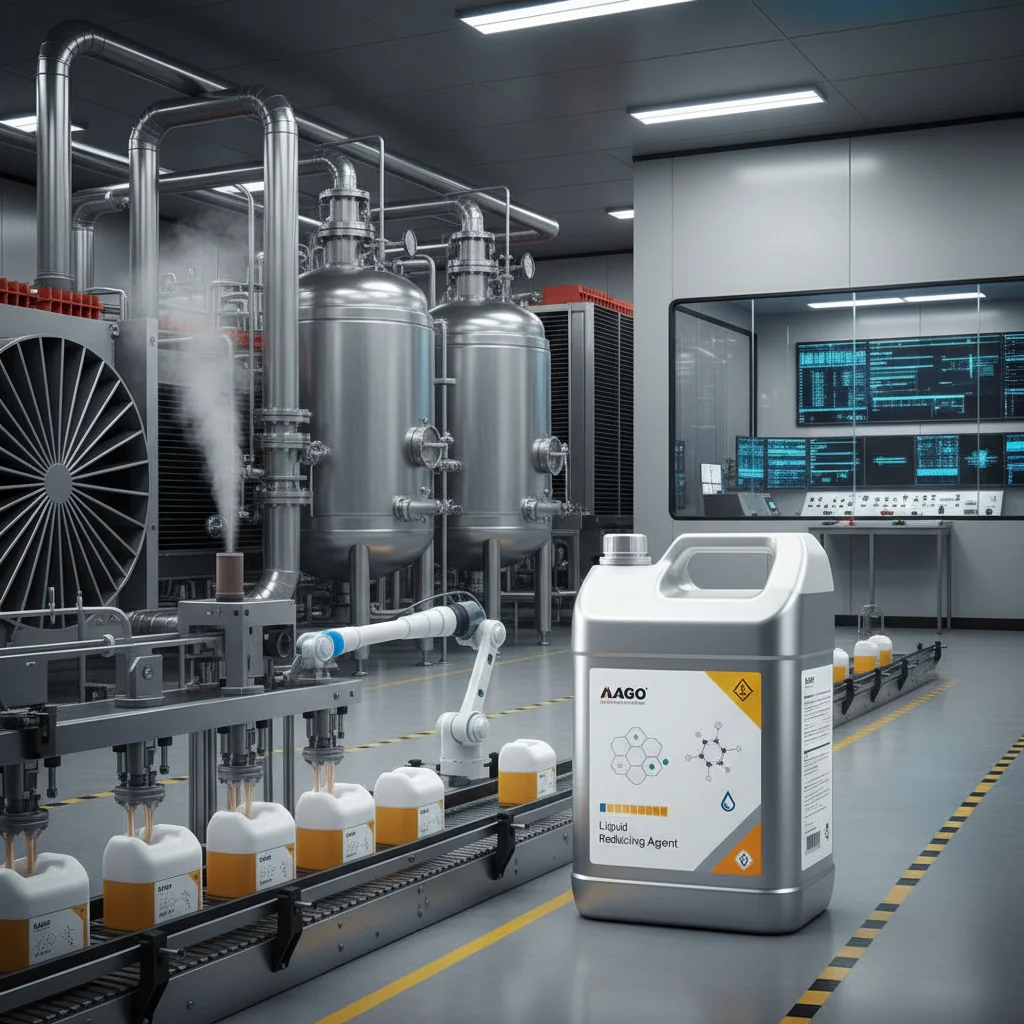
Are Protease Enzymes Produced – Industrial Protease Solutions from DyeingChem
Are Protease Enzymes Produced – Industrial Protease Solutions from DyeingChem
Are Protease Enzymes Produced is a key solution in the industry, specifically within biochemical manufacturing and textile processing. This article explores how https://www.dyeingchem.com supports professionals with durable, high-performance products, and explains why this product is an ideal choice for businesses in these sectors.
Table of Contents
- Are Protease Enzymes Produced Overview
- Benefits & Use Cases of Are Protease Enzymes Produced
- Cost, Maintenance & User Experience
- Sustainability & Market Trends
Are Protease Enzymes Produced Overview
At its core, Are Protease Enzymes Produced refers to the industrial synthesis or extraction of protease enzymes, which break down proteins efficiently. These enzymes have become indispensable in industries like textiles, detergents, and food processing. Technically speaking, proteases act as biological catalysts that accelerate protein hydrolysis, a feature that businesses harness to optimize various chemical processes.
To give you a concrete sense, many manufacturers rely on highly purified forms of alkaline protease with activity ranges calibrated to specific pH and temperature conditions. For example, a common specification might be an enzyme activity of 200,000 U/g, optimized for pH 8.0 to 11 and temperatures around 50–60°C. There's a famous case study where integrating protease enzymes into textile bleaching reduced chemical usage by 30%, which is sort of a game-changer for sustainability.
| Specification | Details |
|---|---|
| Enzyme Type | Alkaline Protease |
| Activity | 200,000 U/g |
| Optimal pH | 8.0 – 11.0 |
| Optimal Temp. | 50 – 60°C |
| Stability | Resistant to detergents and oxidants |
Benefits & Use Cases of Are Protease Enzymes Produced
Protease enzymes have this fascinating versatility that frankly surprises many newcomers. For starters, in textile processing, they simplify protein removal from fibers — improving fabric brightness and softness without harsh chemicals. That means fewer pollutants and less environmental strain, a factor that more decision makers are prioritizing recently.
Beyond textiles, protease enzymes enable companies to boost detergent effectiveness. Most laundry detergents now include proteases that tackle protein stains like blood or food, making cleaning smoother, greener, and more cost-effective. What stands out from suppliers like dyeingchem.com is their enzymes’ resistance to high temperatures and alkaline conditions — not every product on the market ticks those boxes, you know. This durability translates to less enzyme dosage needed overall and longer shelf life.
Cost, Maintenance & User Experience
When considering the total cost of ownership, protease enzymes from seasoned producers typically offer very competitive ROI. The upfront price might seem above generic enzymes, but the durability and activity efficiency quickly make up for it. Many clients report lowering chemical consumption and reducing wastewater treatment costs after switching, which is no small thing.
Oddly enough, maintenance with these enzymes is often easier than expected. They tend to remain stable even in complex industrial environments, meaning less frequent replacement and downtime. User feedback frequently highlights how formulation tweaks from manufacturers help tailor enzymes to specific processes—resulting in smoother integration and fewer operational hiccups.
| Vendor | Enzyme Activity (U/g) | Optimal pH | Stability & Resistance | Typical Industrial Use |
|---|---|---|---|---|
| DyeingChem | 200,000 | 8.0 – 11.0 | High temperature & oxidants resistant | Textiles, Detergents |
| Competitor A | 180,000 | 7.5 – 10.5 | Moderate resistance | Food Processing |
| Competitor B | 150,000 | 7.0 – 9.0 | Lower resistance | General Cleaning |
Sustainability & Market Trends
The rising interest in sustainable manufacturing practices has propelled protease enzymes into the spotlight. Unlike harsh chemical agents, these enzymes degrade naturally and can significantly reduce water and energy usage during processing. For industries trying to meet tightening environmental regulations, this is a breath of fresh air—and frankly, increasingly non-negotiable.
Market trends suggest the demand for protease enzymes will keep growing, driven by innovation in enzyme engineering and a shift toward biodegradable solutions. This pushes suppliers to innovate smarter enzymes with broader industrial compatibility and improved stability. It's a dynamic field, with regulatory bodies worldwide nudging firms to improve eco-credentials, making protease enzymes something of a necessity rather than a bonus.
Frequently Asked Questions about Are Protease Enzymes Produced
- What is Are Protease Enzymes Produced and how does it work?
- In simple terms, it’s the production or extraction of protease enzymes that break down proteins by hydrolyzing peptide bonds. They work as catalysts in many industrial processes by speeding up protein degradation without the need for extreme conditions.
- What are the main benefits of using Are Protease Enzymes Produced in industrial applications?
- The key advantages include higher efficiency, reduced chemical waste, compatibility with eco-friendly processes, and cost savings due to lower raw material and treatment needs.
- How does Are Protease Enzymes Produced compare to traditional alternatives?
- Unlike conventional chemicals, protease enzymes offer specificity, operate under milder conditions, and are biodegradable. This reduces environmental burden and often improves product quality.
- What industries can benefit most from Are Protease Enzymes Produced implementation?
- Textiles, detergents, leather processing, food and beverage, and waste management sectors are prime candidates that have successfully adopted protease enzymes.
Conclusion on Are Protease Enzymes Produced from china
To sum up, Are Protease Enzymes Produced offers a sustainable and effective approach to protein degradation across multiple industries. Durable, efficient, and environmentally friendly, these enzymes help businesses optimize operations while responding to global market demands. For decision makers looking to future-proof their processes, investing in protease enzymes from reliable suppliers like DyeingChem is a smart move.
- Visit our website: https://www.dyeingchem.com
Reflecting on this, it’s clear that the blend of traditional enzymology with modern industrial demands creates a fascinating area. Protease enzymes are more than a fancy add-on; they're quietly revolutionizing sectors, one protein bond at a time.