Commercial Protease Enzyme Production: Industry Insights & Vendor Comparison
Commercial Protease Enzyme Production: Industry Insights & Vendor Comparison
Commercial Production of protease enzyme: Insights from the Industrial Trenches
Having spent quite a few years in the industrial equipment sector, especially around enzyme production lines, I can say that the commercial manufacture of protease enzymes is both an art and a science. Frankly, it’s a fascinating operation where biology meets industrial savvy. You have to keep an eye on microbial cultures, control fermentation parameters precisely, and implement rigorous purification steps to get enzymes with the right activity and stability — which isn’t always as straightforward as it sounds.
Proteases, if you recall, are enzymes that chop up proteins. They’re everywhere—in detergents to break down stains, in food processing for tenderizing meat, and even in leather treatment. Their broad utility is why commercially efficient production processes are in steady demand. Oddly enough, while the basic microbiological principles have been known for decades, the industrial optimization is continuously evolving.
The Production Process: A Quick Overview
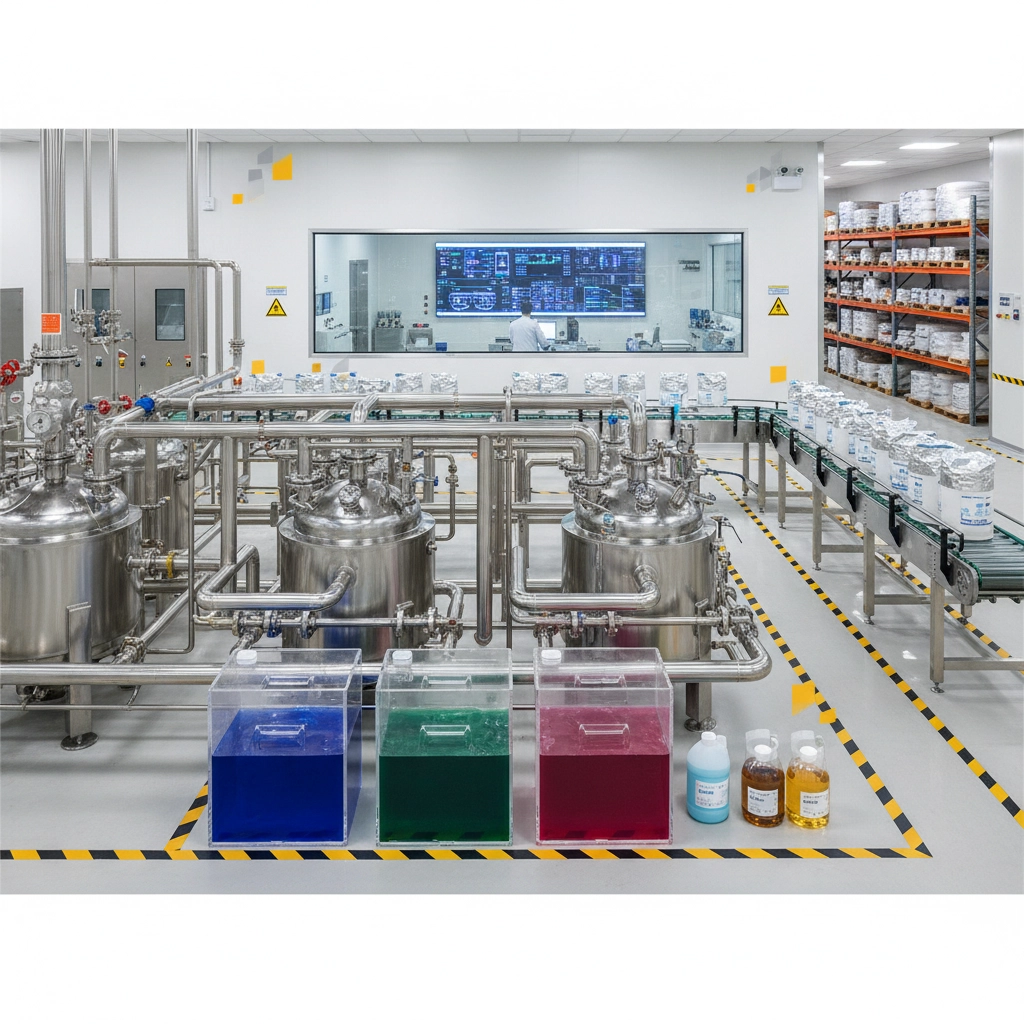
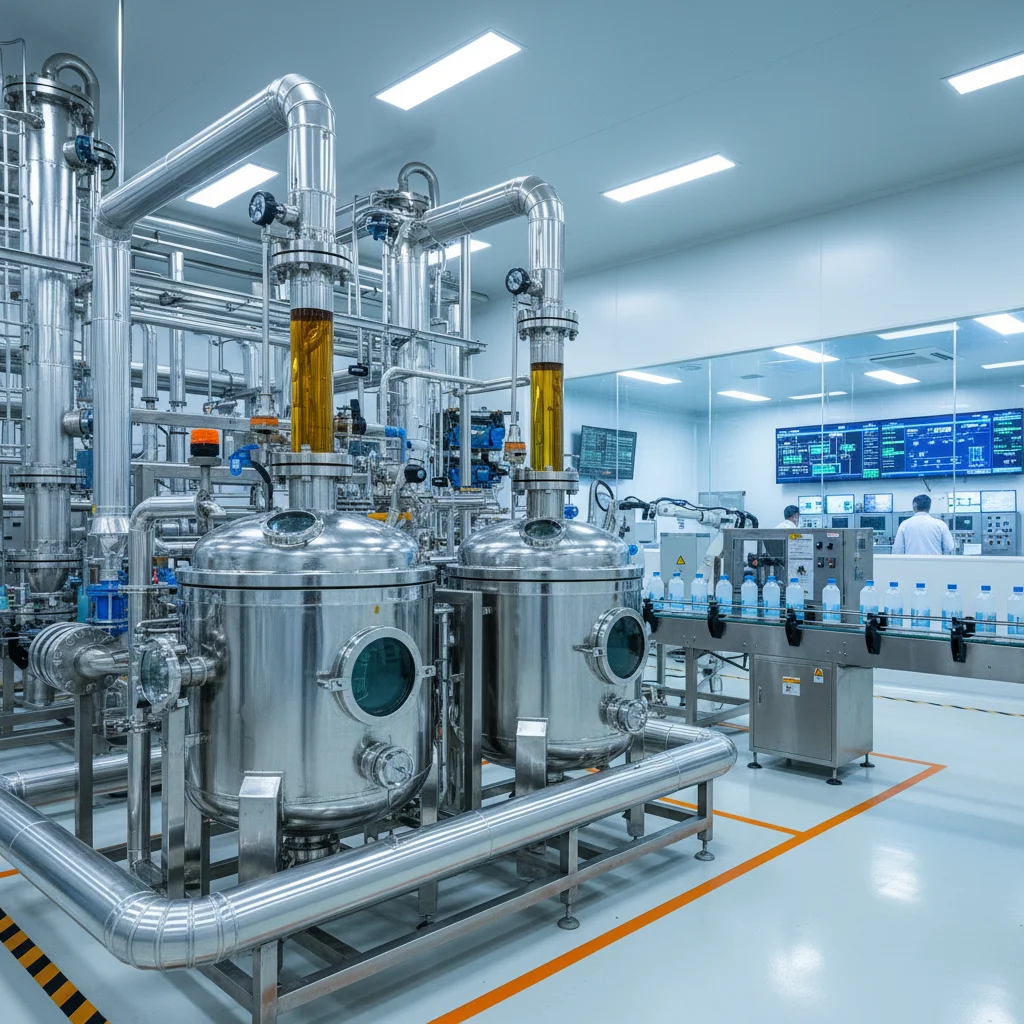
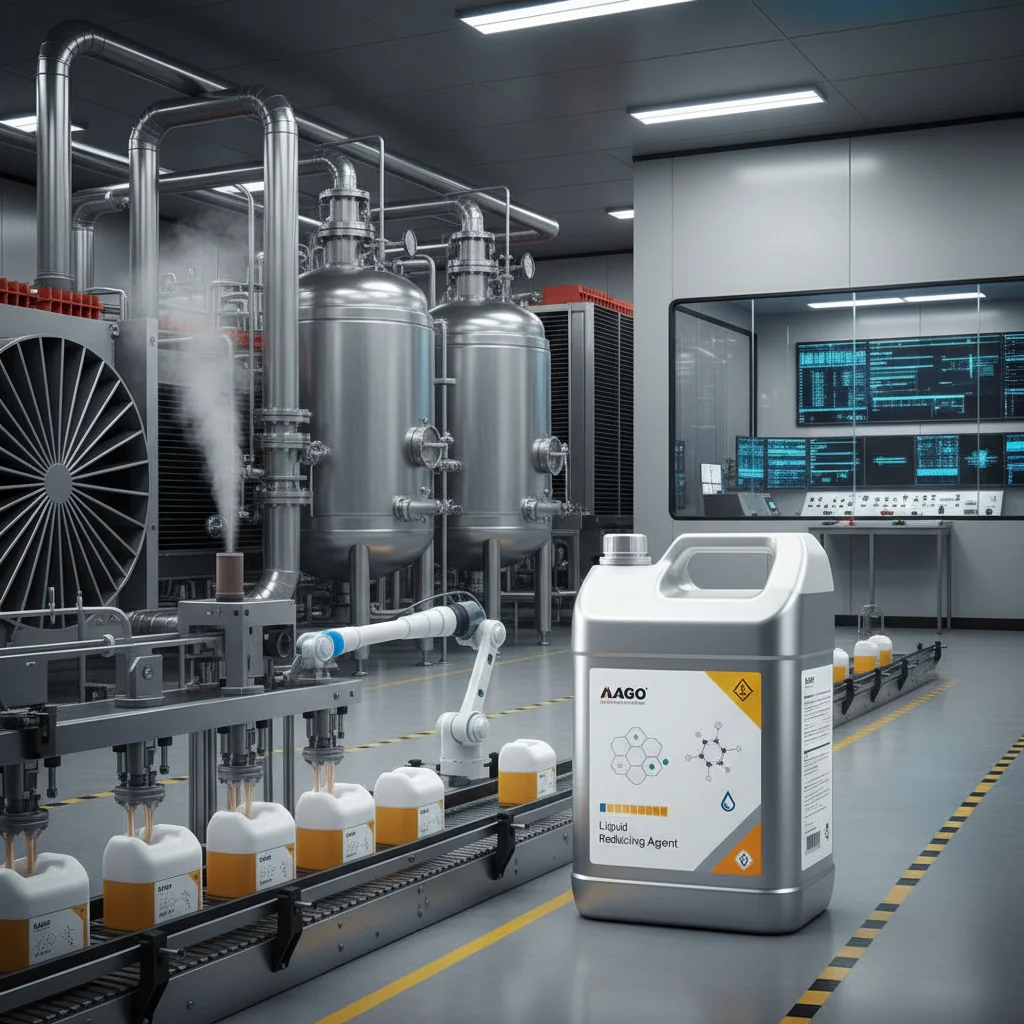
In real terms, most commercial protease production hinges on fermentation using bacterial or fungal strains (like Bacillus subtilis or Aspergillus niger). The microorganism is cultivated in huge fermentors – typically stainless steel tanks that hold anywhere from a few thousand to tens of thousands of liters. Controlling temperature, pH, oxygen supply, and nutrient feed rates is crucial as these parameters heavily influence yield and enzyme quality.
After fermentation, the broth contains a complex mix of cells, enzymes, and impurities. Downstream processing steps involve cell removal (usually by centrifugation or filtration), concentration of the enzyme, and sometimes further purification via chromatography or precipitation. Balancing purity with cost is always the tricky bit. On one hand, some applications require near-pure proteases, on the other, certain industries are fine with cruder enzyme blends.
Product Specifications at a Glance
| Specification | Typical Range |
|---|---|
| Enzyme Activity (U/mg) | 1500 - 4000 |
| pH Optimum | 7.0 - 11.0 |
| Temperature Optimum | 50°C - 70°C |
| Moisture Content | 3% max |
| Shelf Life (dry powder) | 12 - 18 months |
From my experience, suppliers invest heavily in maintaining these specs because even slight variations can drastically impact how well the enzyme performs in the field. You might think, “It’s just enzymes,” but trust me, the devil is in the details.
Comparing Major Protease Vendors
Over time, I’ve come across several manufacturers offering commercial proteases. Differences often come down to strain source, purification technology, and customization support. Here’s a simple rundown:
| Vendor | Production Capacity | Customization | Typical Purity (%) | Lead Time |
|---|---|---|---|---|
| BioEnzyme Co. | 800 tons/year | High (strain tailoring) | 98% | 6-8 weeks |
| EcoProtease Ltd. | 500 tons/year | Medium (activity optimization) | 95% | 4-6 weeks |
| Alpha Enzymes | 1000 tons/year | Low (standard products) | 90% | 2-4 weeks |
One of my favorite client stories revolves around a textile processor who switched to a protease supplier offering strain customization. Their enzyme was tailored for optimal activity in alkaline conditions typical for fabric pre-treatment. The effect? They reduced processing time by 25%, saving energy and improving fabric softness. It’s examples like this that highlight how crucial quality and customization can be.
If you’re stepping into enzyme procurement, you’ll learn quickly it’s more than just price and availability. Compatibility with your existing processing conditions, ease of formulation, and supplier responsiveness all weigh in heavily.
So, if your interest is piqued and you’re looking at efficient sources, consider exploring commercial protease enzyme suppliers carefully. Some companies, like the ones mentioned, really raise the bar in terms of product consistency and technical support.
Oddly enough, in a field dominated by biochemistry and microbiology, the real differentiators often come down to how well manufacturers understand their customers’ production environments. That’s a lesson I’ve appreciated after years on the floor — sometimes the biggest gains come from small, skillful adjustments rather than massive overhauls.
Well, that’s a brief look into the world of commercial protease enzyme production. Hope it gives you a better sense of both the complexity and the opportunity in this industrial niche.
Takeaway: Protease production is a blend of biology and engineering, where customization and quality control truly matter.
- "Industrial Enzymes and Their Applications" - Smith & Jones, 2020
- "Fermentation Technology in Enzyme Production" - Journal of Bioprocessing, 2022
- "Protease Enzymes: Market Trends & Customization" - Industry Insights Report, 2023