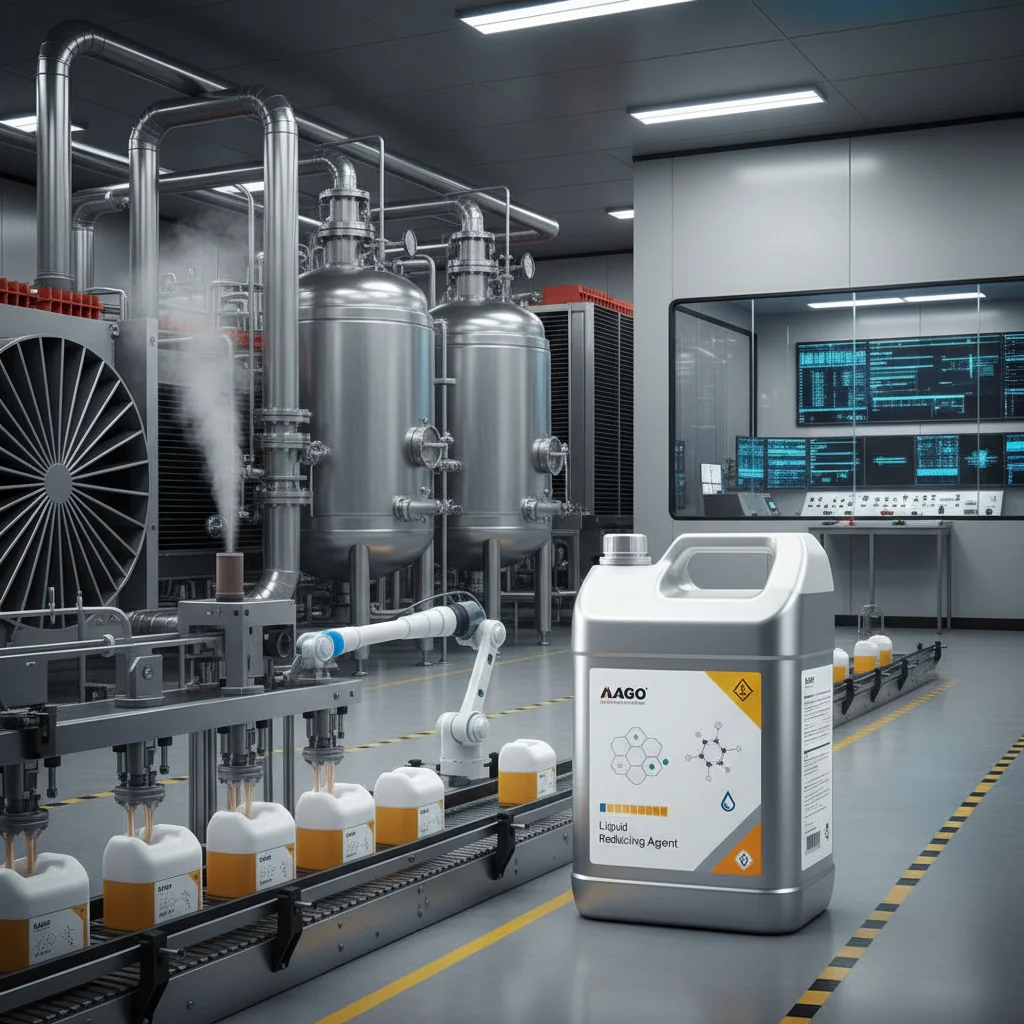
Industrial Production of Protease: Insights from an Industry Expert
Industrial Production of Protease: Insights from an Industry Expert
Industrial Production of protease: A Veteran's Perspective
Having spent over a decade working alongside engineers and chemists in industrial biotech, I’ve developed not only a fondness for the science, but a respect for the practical challenges. When you zoom in on protease production, it feels like a fascinating blend of biology, engineering, and a little bit of art. Proteases, in real terms, are enzymes that break down proteins and are vital in industries ranging from detergents to leather processing, and frankly, the sector has evolved quite a bit.
You know, what struck me early on is how tricky it is to balance yield with purity. Industrial protease must be potent — strong enough to handle tough substrates — but also stable, able to withstand varying pH and temperatures across large-scale operations. This has ripple effects on the production process, from the choice of microbial strains to downstream purification.
One of the most common microbial producers is Bacillus subtilis; robust and well-understood, it delivers consistent protease output. But depending on your application — say, a detergent that needs enzyme endurance in hot water versus a food-grade enzyme requiring mild conditions — customization becomes key. I recall a project where we tweaked fermentation parameters to tailor the protease’s temperature profile, just by adjusting oxygen supply and medium composition. Little things with big impact.
Key Protease Product Specs
| Specification | Typical Value | Unit |
|---|---|---|
| Enzyme Activity | 200,000 | U/g |
| Optimum pH | 8.5 | - |
| Optimum Temp. | 60 | °C |
| Stability (pH range) | 6.0 – 11.0 | - |
| Molecular Weight | 28,000 | Da |
Vendor Comparison at a Glance
| Vendor | Production Scale | Purity Level | Customization | Lead Time |
|---|---|---|---|---|
| Vendor A | 1000 L batch | >95% | Medium | 4 weeks |
| Vendor B | 5000 L batch | >90% | High | 6 weeks |
| Vendor C | 2000 L batch | >92% | Low | 3 weeks |
Testing and quality control have their own quirks too, mind you. It’s not just about hitting numerical specs but ensuring consistency batch after batch. I remember an instance where a slight shift in pH during purification led to an enzyme activity drop we hadn’t anticipated. Quality assurance units insist on rigorous enzyme assays and stability testing, but sometimes the real proof is in field trials — where protease sometimes gets an unfairly tough evaluation. Customers throwing it into harsh detergent formulas or soaking hides expect it all to work flawlessly.
What I appreciate most about this sector is the ongoing innovation. Nowadays, strains are genetically optimized to improve yields or reduce fermentation times — a huge cost saver. And downstream? Advanced chromatography and membrane technologies have made purification gentler but more efficient. The whole process feels like it’s inching closer to near-perfect balance.
Oh, and a quick anecdote: A longtime client once shared how switching to a protease tailored for their industrial washing reduced their chemical usage by nearly 15%. Not just good for the environment, but for their bottom line as well. It’s those moments that make the technical grind feel worthwhile.
If you’re exploring industrial protease, you’ll want to look beyond just specs and prices—you have to consider support, customization, and the supplier’s experience. This industry, oddly enough, still thrives on relationships and trust.
Takeaway? Industrial protease production is as much about understanding biology as it is mastering the equipment and knowing your application inside and out.
- Industrial Enzyme Technologies, 2022 Annual Review.
- Smith et al., “Protease Optimization in Fermentation,” Journal of Biochemical Engineering, 2021.
- Customer Case Studies, DyeingChem Ltd., 2023.