Chemicals Used In Textile Industry – High-Performance Solutions for Business
Chemicals Used In Textile Industry – High-Performance Solutions for Business
Chemicals Used In Textile Industry is a key solution in the industry, specifically within textile processing, dyeing, and finishing sectors. This article explores how https://www.dyeingchem.com supports professionals with durable, high-performance products, and explains why this product is an ideal choice for businesses in these sectors.
Table of Contents
- Chemicals Used In Textile Industry Overview
- Benefits & Use Cases of Chemicals Used In Textile Industry
- Cost, Maintenance & User Experience
- Sustainability & Market Trends
Chemicals Used In Textile Industry Overview
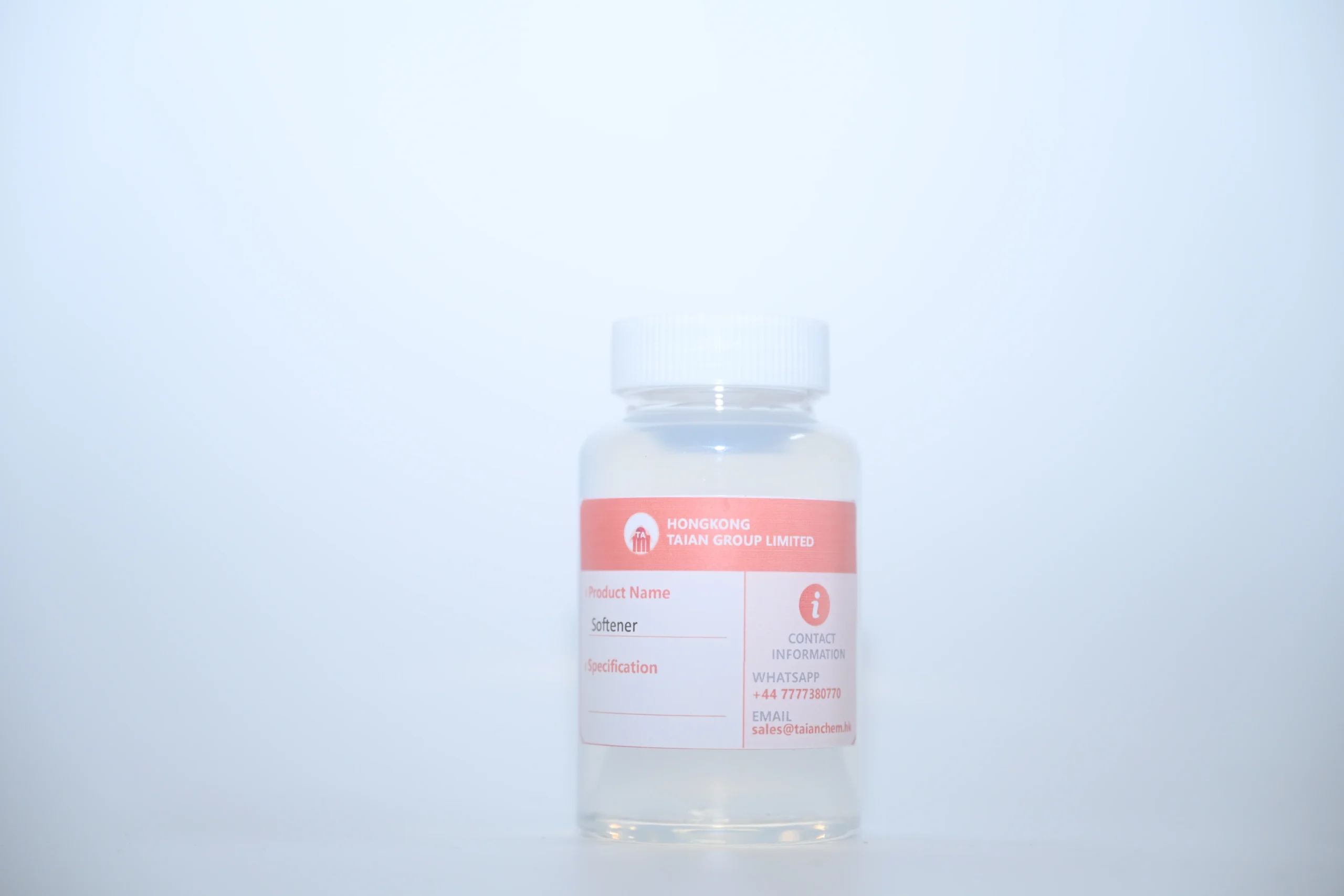
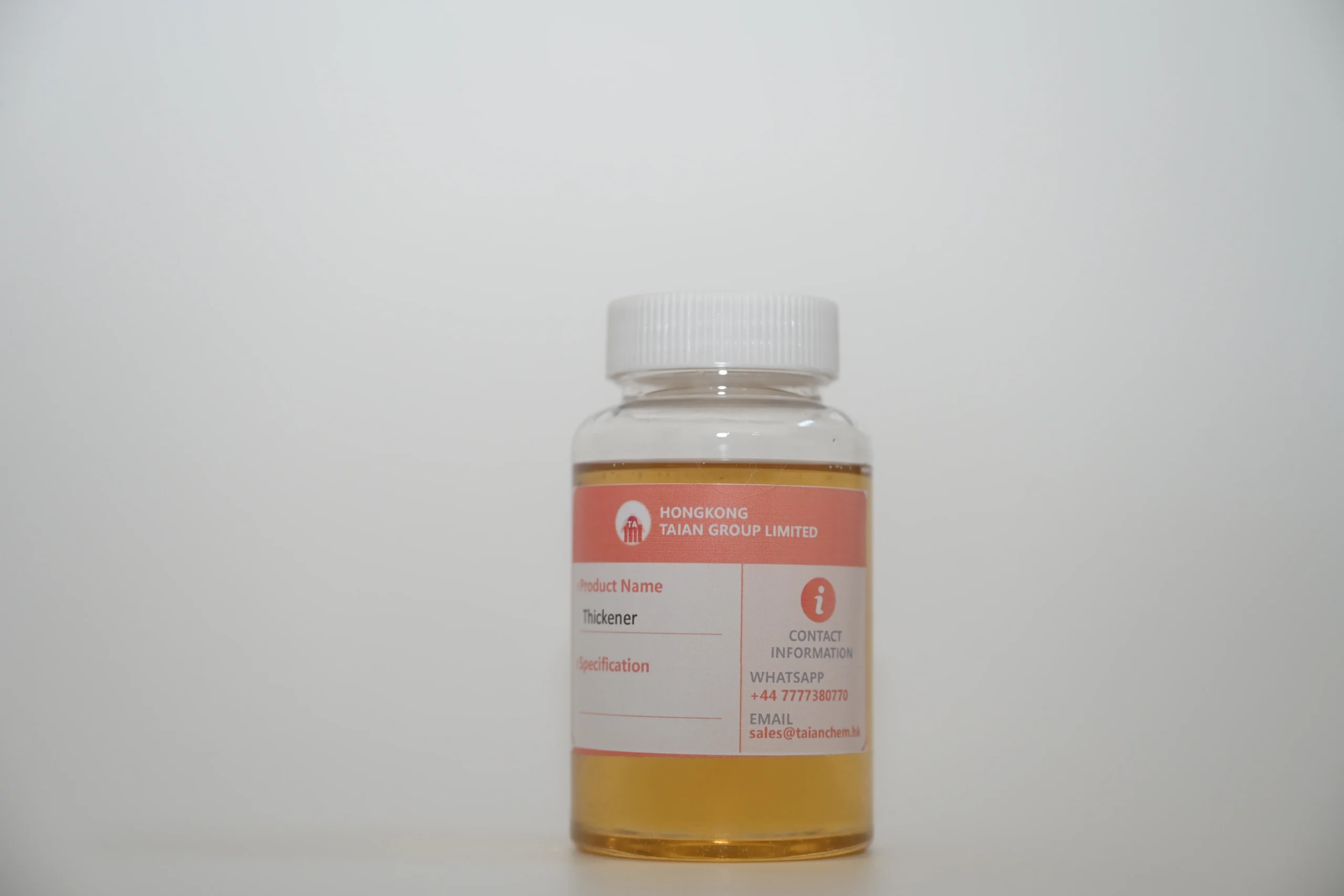
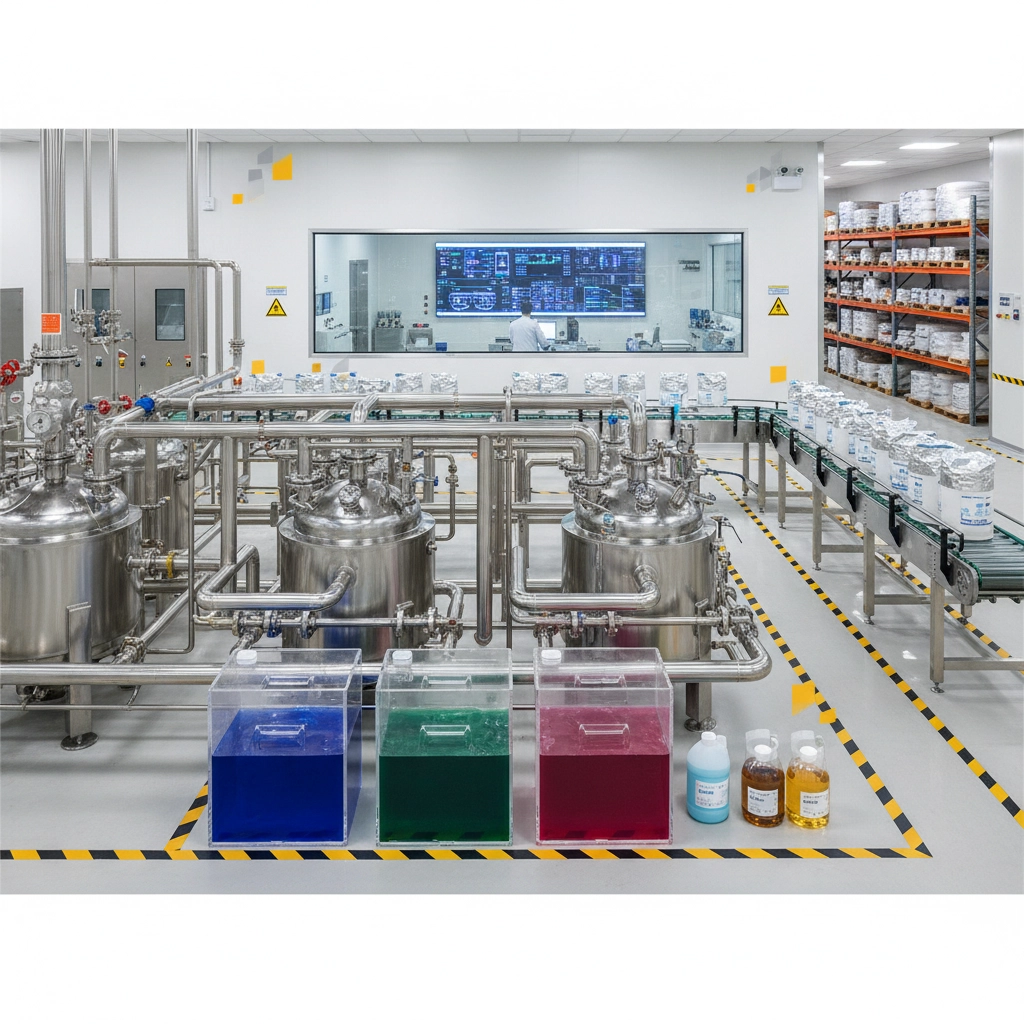
At its core, chemicals used in the textile industry encompass a broad class of substances facilitating fabric processing — think dyeing agents, auxiliaries, softeners, and finishing agents. These chemicals aren’t just about color or texture; they're essential for fabric strength, longevity, and aesthetic appeal. Frankly, without them, modern textile production would be nowhere near as efficient or consistent.
Technically speaking, these chemicals must withstand rigorous conditions — varying temperatures, pH ranges, and mechanical stress during washing or finishing. For example, reactive dyes need specific alkali conditions to bind efficiently to cotton fibers, and anti-creasing agents are precisely formulated to maintain fabric integrity during wear. To put it into perspective, a recent case study found that optimizing chemical formulations from DyeingChem increased color fastness by over 15% when applied under industrial conditions.
| Chemical Type | Usage | PH Range | Typical Dosage (g/L) |
|---|---|---|---|
| Reactive Dye | Cotton dyeing | 10-11 | 2-3 |
| Softeners | Fabric finishing | 5-7 | 1-2 |
| Anti-creasing Agent | Wrinkle resistance | 6-8 | 0.5-1 |
Benefits & Use Cases of Chemicals Used In Textile Industry
The uses of these chemicals are quite varied. From enabling vibrant, wash-fast colors on cotton t-shirts to imparting water repellency on high-end outdoor fabrics, the range of applications is broad. Frankly, without them, a huge portion of what we consider everyday textiles would be dull, stiff, or simply non-functional.
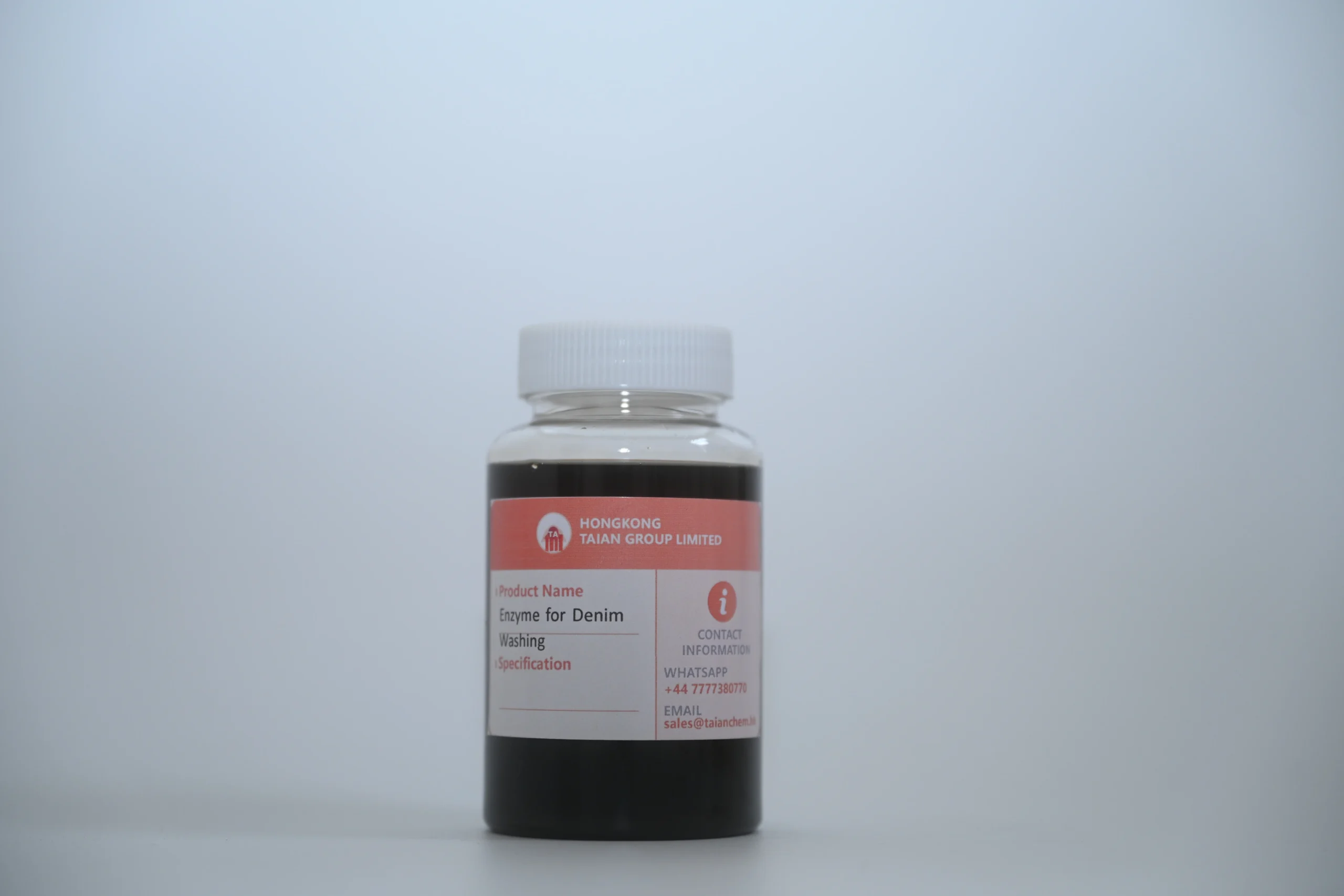
Take indigo dyeing for denim, for example. The chemicals involved affect not only color depth but also how the fabric ages and wears over time. Similarly, softeners enhance the hand feel of polyester blends, making fabrics that might otherwise feel plasticky more pleasant to wear. In industrial terms, products offered by DyeingChem stand out because of their high purity and optimized performance, which reduces waste and improves batch-to-batch consistency — a real competitive advantage when margins are tight.
Cost, Maintenance & User Experience
For B2B decision makers, the bottom line is always key: what’s the total cost of ownership? You know, not just price per kilo but also usability, chemical yield, and impact on equipment maintenance. Many companies report that using advanced chemicals from DyeingChem actually lowers operational costs because their formulations reduce water and energy consumption, plus they cause fewer complications in the dyeing machines.
It’s interesting: some clients mention how surprisingly easy these chemicals are to incorporate into existing workflows. The feedback loops for quality control improve as well, resulting in less downtime. Considering that downtime can cost thousands in lost productivity, that alone justifies the investment.
| Vendor | Product Range | Customization | Sustainability Focus | Pricing |
|---|---|---|---|---|
| DyeingChem | Extensive (dyes & auxiliaries) | High (custom formulations) | Strong (eco-friendly lines) | Competitive |
| Vendor B | Moderate (standard dyes) | Low | Moderate | Lower |
| Vendor C | Limited | None | Weak | Higher |
Sustainability & Market Trends
Sustainability is arguably the hottest topic in textile chemicals today. Regulations worldwide — from REACH in Europe to EPA standards — push manufacturers to rethink chemical inputs. Oddly enough, the drive for eco-friendlier solutions isn’t just regulatory; it’s consumer demand reshaping the entire value chain. Chemicals used in the textile industry now often focus on biodegradability, reduced water toxicity, and lower energy demands.
Market data shows that textile chemical suppliers who innovate in sustainability tend to gain market share. For example, DyeingChem has developed several product lines certified under international eco-labels, which not only help customers meet compliance but also boost their brand image in demanding global markets.
Frequently Asked Questions about Chemicals Used In Textile Industry
- What is Chemicals Used In Textile Industry and how does it work?
- They are specialized chemical agents designed to affect fibers and fabrics – enabling color fixation, texture modification, and durability enhancement. Essentially, they interact with fibers at molecular or surface levels, often requiring specific conditions like temperature or pH to be effective.
- What are the main benefits of using Chemicals Used In Textile Industry in industrial applications?
- Benefits include improved color fastness, fabric softness, reduced processing times, and better product consistency, all of which lead to cost savings and higher quality textiles for end users.
- How does Chemicals Used In Textile Industry compare to traditional alternatives?
- Modern chemicals often feature enhanced purity and tailored molecular structures that deliver superior performance, less environmental impact, and greater adaptability compared to conventional, less specialized products.
- What industries can benefit most from Chemicals Used In Textile Industry implementation?
- Primary beneficiaries include garment manufacturers, home textiles producers, automotive textile suppliers, and technical textiles manufacturers. Each uses specialized chemicals to meet their functional and aesthetic requirements.
Conclusion on Chemicals Used In Textile Industry from china
In the end, Chemicals Used In Textile Industry are far more than just additives — they're critical enablers of modern textile manufacturing, shaping everything from cost efficiency to product quality and sustainability. For businesses wanting a blend of performance, reliability, and cutting-edge innovation, partnering with suppliers like DyeingChem can be a smart move. Curious? Visit our website: https://www.dyeingchem.com
At the intersection of chemistry and textile innovation, these products keep textiles vibrant, functional, and progressing towards a greener future.
References:
1. Textile World Magazine, 2023
2. REACH Regulatory Reports, 2023
3. DyeingChem Customer Case Studies, 2024