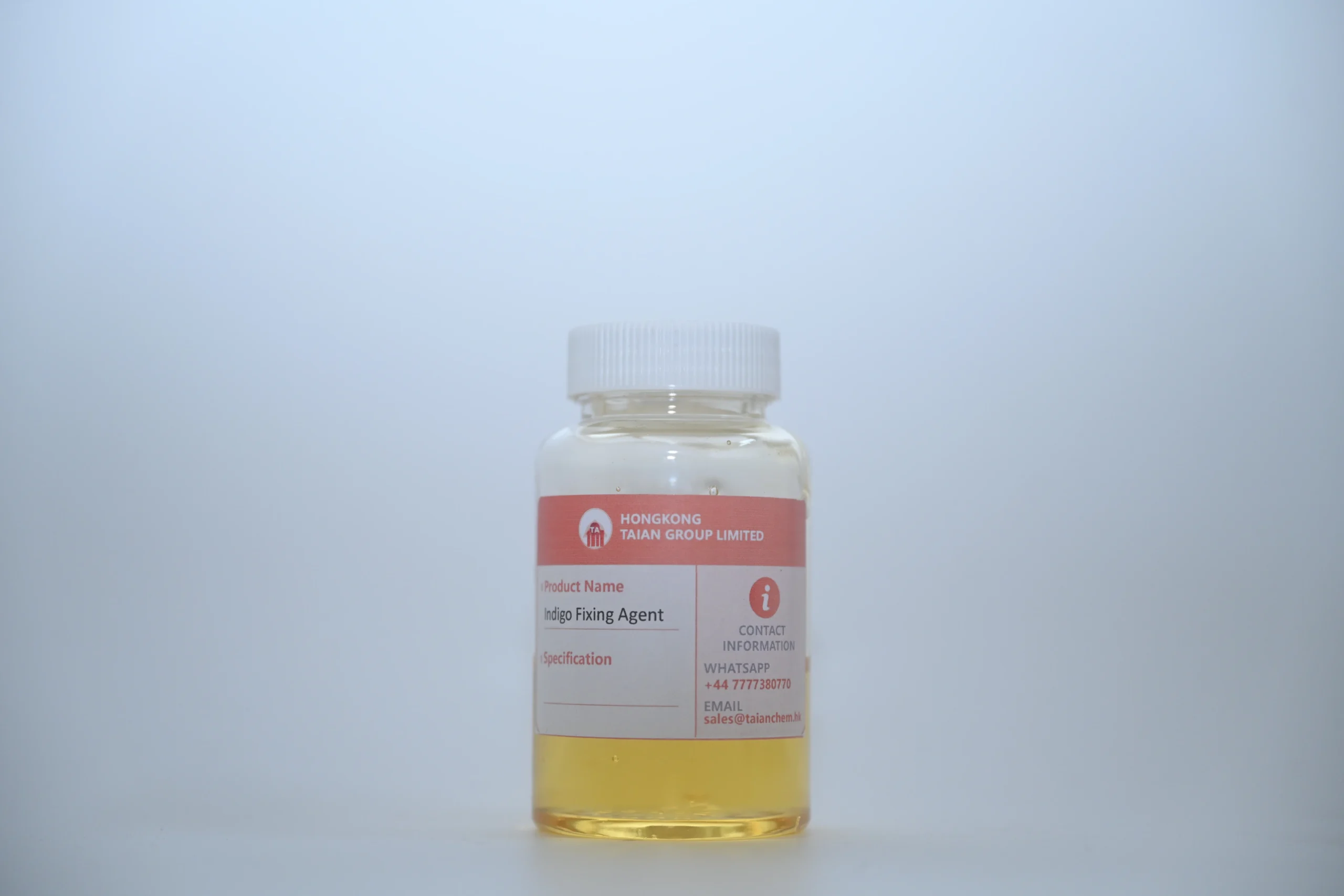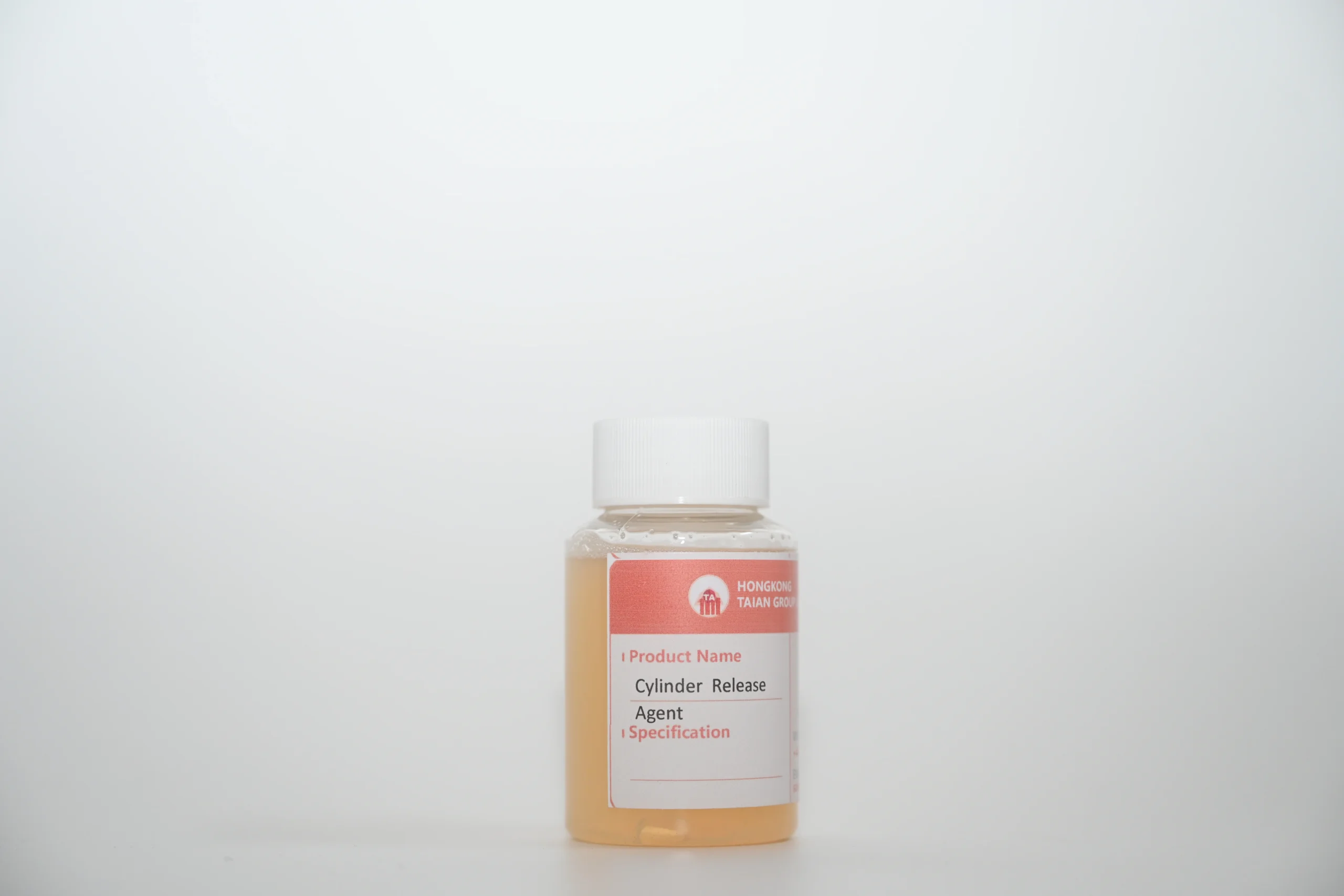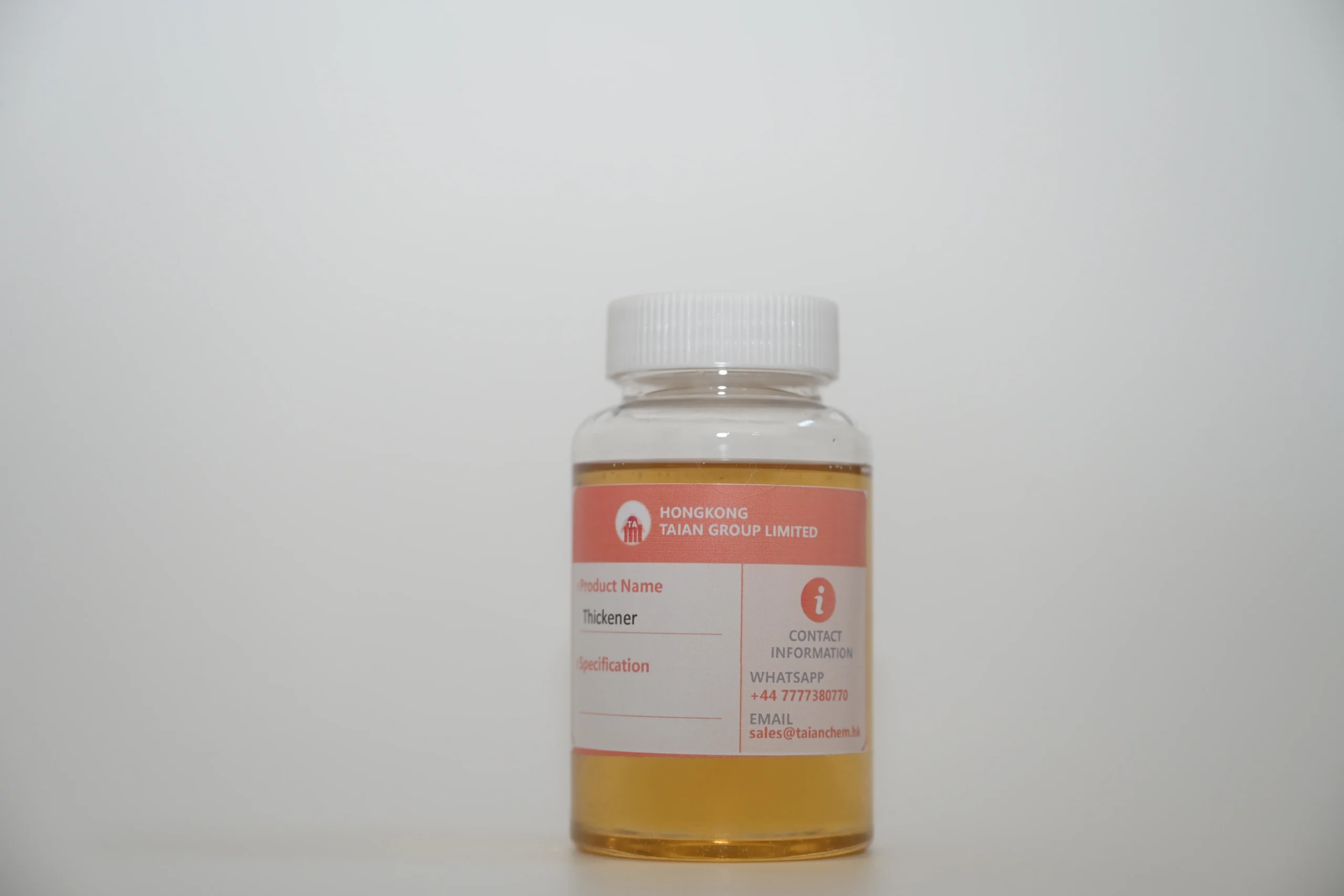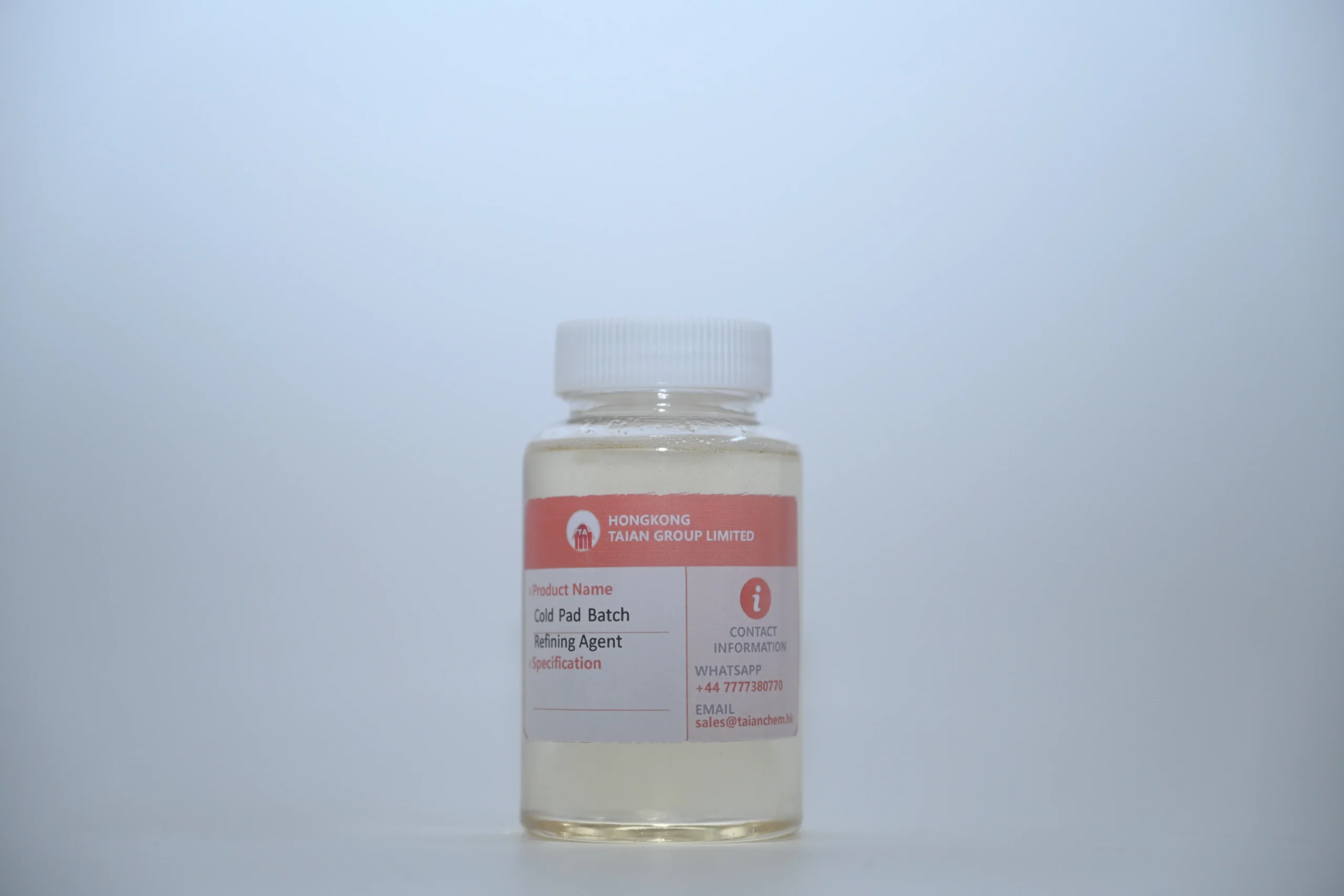
Understanding Hazardous Chemicals In Textile Industry: Benefits, Costs & Sustainability
Understanding Hazardous Chemicals In Textile Industry: Benefits, Costs & Sustainability
Hazardous Chemicals In Textile Industry is a key solution in the industry, specifically within manufacturing processes that require precise dyeing and finishing. This article explores how https://www.dyeingchem.com supports professionals with durable, high-performance products, and explains why this product is an ideal choice for businesses in these sectors.
Table of Contents
- Hazardous Chemicals In Textile Industry Overview
- Benefits & Use Cases of Hazardous Chemicals In Textile Industry
- Cost, Maintenance & User Experience
- Sustainability & Market Trends
Hazardous Chemicals In Textile Industry Overview
When we talk about Hazardous Chemicals In Textile Industry, we’re referring to the class of chemicals used throughout textile production that require careful handling due to their environmental and health impacts. These often include dyeing agents, mordants, finishing chemicals, and solvents that must meet strict performance criteria while complying with regulations.
Oddly enough, many textiles need these chemicals to achieve water resistance, colorfastness, or softness, yet they pose risks if not controlled properly. From a technical standpoint, these compounds often have specific pH levels, reactivity, and stability requirements. For example, azo dyes, while highly effective, are controlled due to their toxicity. Similarly, formaldehyde-based finishing agents boost wrinkle resistance but face increasing regulation.
| Product Specification | Typical Range |
|---|---|
| pH Level | 5.0 - 9.0 |
| Active Chemical Content | 15% - 40% |
| Stability | ≥ 12 months under controlled storage |
| Toxicity Level | Low to Moderate (varies by formulation) |
Benefits & Use Cases of Hazardous Chemicals In Textile Industry
You might think hazardous chemicals are a liability, but in real terms, they are indispensable when used responsibly. Specific applications range from fabric dyeing — where depth and uniformity of color are critical — to chemical finishes that add anti-microbial or flame-retardant properties. These often boost product value significantly.
Many professionals swear by products from DyeingChem because their formulations offer consistent quality, enhanced safety profiles, and compliance with evolving industry standards. The ability to customize formulations for unique fabric blends or production conditions definitely sets them apart. Honestly, that flexibility can save tons in waste reduction and off-spec batches.
Cost, Maintenance & User Experience
Calculating total cost of ownership when it comes to hazardous chemicals is a bit more complex than it sounds. Sure, the upfront price matters, but factors like longevity, ease of storage, and waste management fees quickly add up. From conversations with plant managers, the ROI tends to improve with products that lower chemical consumption per batch while maintaining quality.
Customer feedback often highlights the durability of DyeingChem’s product range; workers notice fewer spills and less degradation over time, which means lower maintenance and safer inventory handling. One textile mill in Zhejiang reported a 15% reduction in process downtime after switching — little improvements like these multiply fast.
| Vendor | Product Range | Price Competitiveness | Sustainability Efforts |
|---|---|---|---|
| DyeingChem | Wide (including custom blends) | Moderate with volume discounts | Proactive compliance & eco R&D |
| Competitor A | Medium | Lower | Limited |
| Competitor B | Niche | Higher | Moderate |
Sustainability & Market Trends
Sustainability is no longer a buzzword; it is a defining factor for any chemical used in textiles. Honestly, it’s tricky balancing the functional demands with evolving legislation like REACH or China’s GB standards on chemical safety. Many companies are now moving toward low-impact, bio-based, or recyclable components where possible, but the pace varies by region and product.
The market itself seems to be leaning into circular economy principles, so suppliers like DyeingChem who invest in green R&D often get the nod from B2B decision makers. Plus, global awareness pushes brands to scrutinize their supply chains, which means chemical suppliers must step up transparency and prove their commitment to responsible sourcing.
Frequently Asked Questions about Hazardous Chemicals In Textile Industry
- What is Hazardous Chemicals In Textile Industry and how does it work?
- It refers to chemical substances used in textile manufacturing that require careful handling due to potential health and environmental risks. They work by interacting with textile fibers to achieve desired effects such as coloration or finishing properties.
- What are the main benefits of using Hazardous Chemicals In Textile Industry in industrial applications?
- Key advantages include enhanced durability and appearance of fabrics, improved process efficiency, and cost savings through reduced waste and better product performance.
- How does Hazardous Chemicals In Textile Industry compare to traditional alternatives?
- Compared to older formulations, newer hazardous chemical products often offer better environmental compliance, improved consistency, and tailored functionality suited for advanced textiles.
- What industries can benefit most from Hazardous Chemicals In Textile Industry implementation?
- Primarily textile manufacturing industries involved in apparel, home furnishings, technical textiles, and automotive textiles where high-quality finishing is critical.
Conclusion on Hazardous Chemicals In Textile Industry from china
In a nutshell, working with hazardous chemicals in the textile industry is about balancing risk and reward. When sourced from reliable suppliers like DyeingChem, companies get safe, durable, and compliance-ready products that help push quality and sustainability forward. For decision makers navigating a complex landscape, this kind of trusted partnership is invaluable.
- Hazardous Chemicals In Textile Industry remain essential tools in modern textile manufacturing.
- Visit our website: https://www.dyeingchem.com
Reflecting on this, it's clear the textile world walks a fine line with hazardous chemicals—embracing innovation while staying mindful of their potential impact. For more detailed specs and sourcing advice, checking supplier documentation and legal standards is always wise.
- REACH Regulation Overview, European Chemicals Agency (echa.europa.eu)
- GB Standards on Textile Chemicals, Standardization Administration of China (www.sac.gov.cn)
- Industry insights from Textile World, March 2024 issue