Comprehensive Guide to Redox Agents and Their Industrial Significance
Comprehensive Guide to Redox Agents and Their Industrial Significance
Understanding Redox Agents: A Comprehensive Guide
In the realm of chemistry, redox agents play a crucial role in a multitude of processes, from industrial applications like textile dyeing to biological functions within our bodies. These agents, responsible for oxidation-reduction reactions, are fundamental to understanding numerous chemical transformations. This article will delve into the world of redox agents, explaining their types, functions, and significance, particularly within the context of industrial chemistry. We will explore how these agents are utilized and the importance of choosing the right agent for specific applications.
What are Redox Agents?
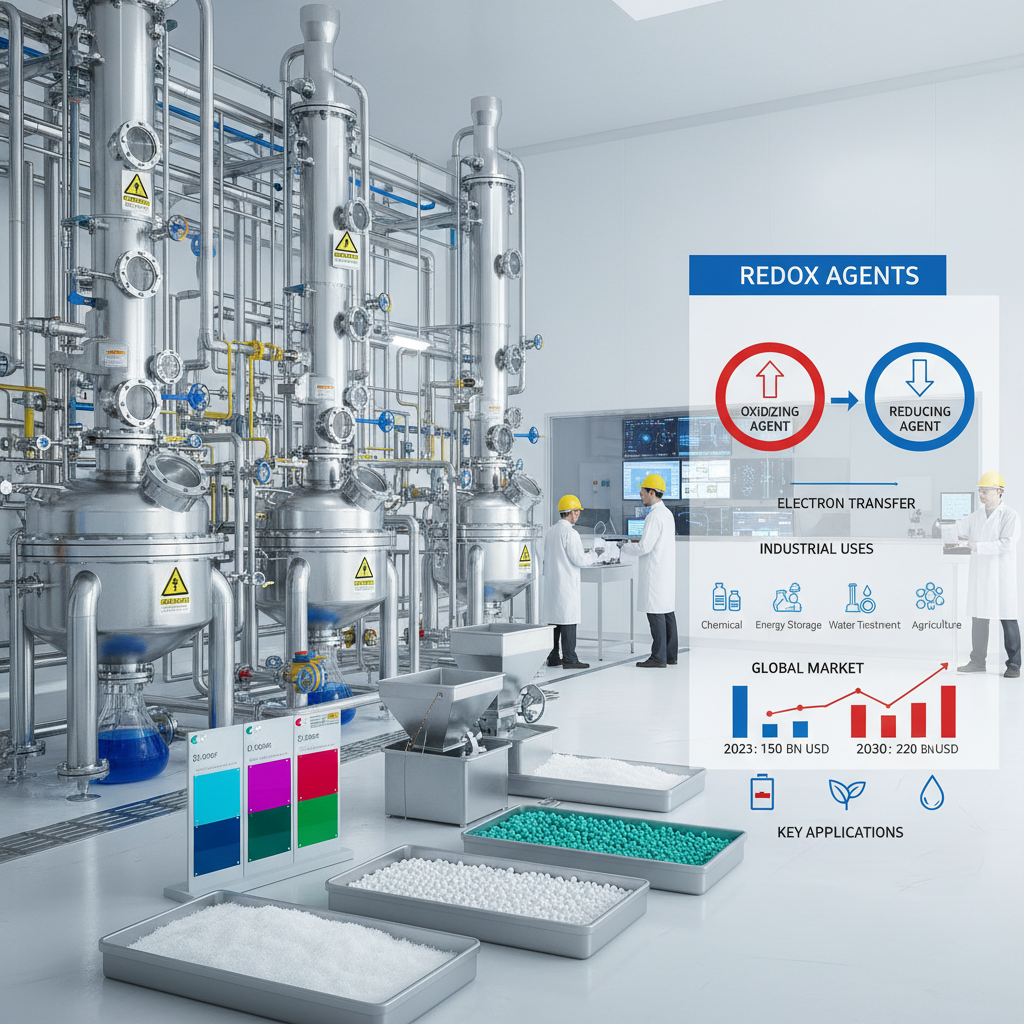
Redox agents, encompassing both oxidizing and reducing agents, are substances that facilitate the transfer of electrons between chemical species. An oxidizing agent accepts electrons, causing another substance to be oxidized. Conversely, a reducing agent donates electrons, causing another substance to be reduced. These processes always occur simultaneously – one substance cannot be oxidized without another being reduced. Understanding the concept of electron transfer is key to comprehending the behavior of redox agents. Dyeingchem.com offers a variety of these agents for specific industrial needs.
Key Takeaway: Redox agents drive electron transfer, enabling oxidation and reduction reactions to occur. They are essential for a vast range of chemical processes.
Types of Redox Agents
Redox agents are broadly categorized into oxidizing and reducing agents. Common oxidizing agents include oxygen, hydrogen peroxide, and potassium permanganate. These substances readily accept electrons from other compounds. Common reducing agents, on the other hand, include sodium borohydride, lithium aluminum hydride, and various metals. These agents donate electrons to other substances. The strength of a redox agent is measured by its reduction potential – a higher potential indicates a stronger oxidizing agent, while a lower potential indicates a stronger reducing agent. Selecting the correct agent depends on the reaction and the desired outcome.
Redox Agent Categorization:
• Oxidizing Agents: Accept electrons (e.g., Oxygen, Hydrogen Peroxide)
• Reducing Agents: Donate electrons (e.g., Sodium Borohydride, Metals)
• Strength: Determined by reduction potential.
Redox Agents in Industrial Applications
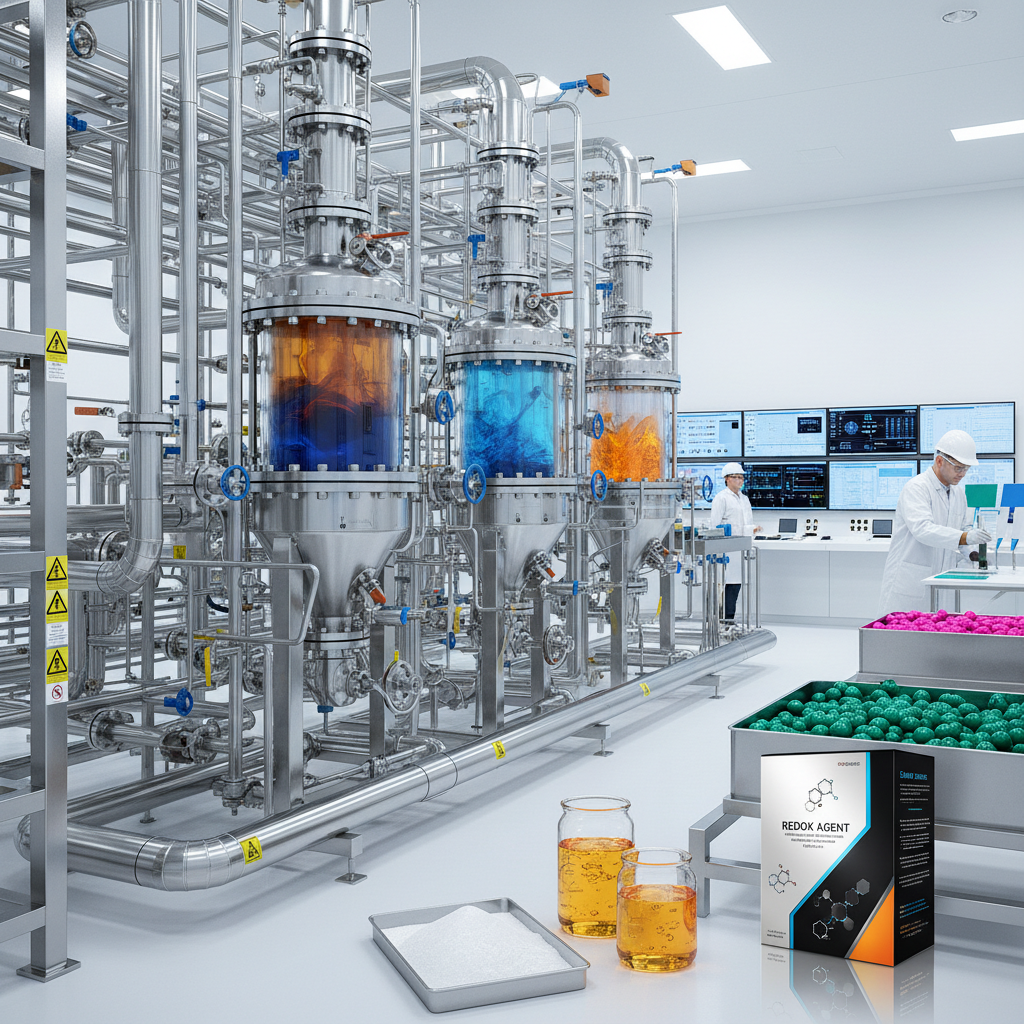
Redox agents find extensive applications across diverse industries. In the textile industry, they are vital for dyeing processes, bleaching, and finishing. For example, hydrogen peroxide is frequently used as a bleaching agent, oxidizing the color compounds in fabrics. In the metal industry, redox reactions are crucial for extracting metals from their ores and for electroplating. Water treatment plants rely on redox agents like chlorine for disinfection, oxidizing harmful bacteria and viruses. The food industry also employs redox agents as preservatives and antioxidants. Dyeingchem provides tailored redox solutions for a spectrum of industries.
Comparing Common Redox Agents
Selecting the optimal redox agent depends heavily on the specific application. Here's a comparison of some frequently used agents:
Factors to Consider When Choosing a Redox Agent
Selecting the right redox agent requires careful consideration of several factors. These include the desired oxidation-reduction potential, the compatibility of the agent with other chemicals in the reaction, the cost-effectiveness of the agent, and the environmental impact of its use and disposal. Safety is paramount - proper handling procedures and personal protective equipment should always be employed. Dyeingchem's expert team can assist in identifying the optimal agent for your specific needs.
Conclusion: Mastering Redox Chemistry for Industrial Success
Understanding redox agents is fundamental to success in numerous chemical industries. By carefully selecting the appropriate agent and implementing safe handling procedures, businesses can optimize their processes, improve product quality, and minimize environmental impact. Dyeingchem.com provides a comprehensive range of high-quality redox agents and expert support to help you achieve your chemical goals.
Frequently Asked Questions (FAQs)
What is the difference between oxidation and reduction?
Oxidation is the loss of electrons, while reduction is the gain of electrons. These processes always occur together in a redox reaction. You can remember this with the mnemonic "OIL RIG" – Oxidation Is Loss, Reduction Is Gain. A substance that loses electrons is oxidized, while the substance that gains electrons is reduced. The agent causing the oxidation is the oxidizing agent, and the agent causing the reduction is the reducing agent. Understanding this interplay is central to grasping the function of redox agents in chemical reactions.
How do I safely handle redox agents?
Safety is paramount when handling redox agents. Many are corrosive or can release hazardous fumes. Always wear appropriate personal protective equipment (PPE), including gloves, eye protection, and a lab coat. Work in a well-ventilated area, ideally under a fume hood. Avoid mixing incompatible chemicals. Consult the Safety Data Sheet (SDS) for specific handling instructions for each agent. Proper storage, away from flammable materials and direct sunlight, is also crucial. Dyeingchem.com provides SDS information with all our products.
What factors influence the strength of a redox agent?
Several factors influence the strength of a redox agent, primarily its reduction potential. A higher reduction potential indicates a stronger oxidizing agent, meaning it has a greater tendency to accept electrons. Other factors include the chemical environment, temperature, and pH. The presence of catalysts can also affect the rate of a redox reaction. The chemical structure of the agent itself plays a role, with some elements and compounds being inherently more prone to electron transfer than others.