Comprehensive Guide to Sulphur Dyes Properties Applications and Industry Trends
Comprehensive Guide to Sulphur Dyes Properties Applications and Industry Trends
Understanding Sulphur Dyes: A Comprehensive Guide
Sulphur dyes represent a significant class of dyes used extensively in the textile industry, particularly for dyeing cotton. Known for their cost-effectiveness and ability to produce deep, wash-fast shades, these dyes are a staple in producing dark colors like blacks, browns, and navies. This article provides a detailed overview of sulphur dyes, covering their properties, application processes, advantages, disadvantages, and the latest industry trends. We will explore the chemical composition, dyeing mechanisms, and environmental considerations related to this important dye class.
What are Sulphur Dyes? Chemical Composition & Properties
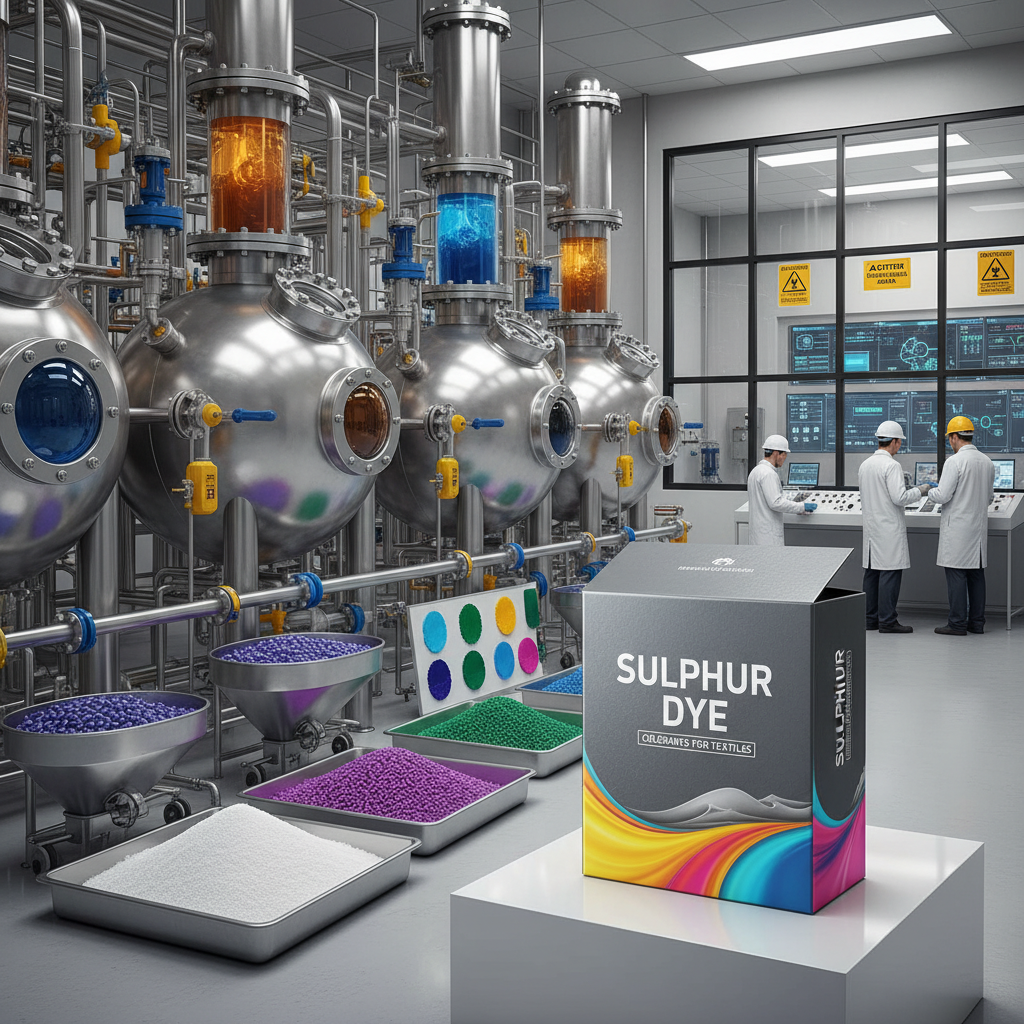
Sulphur dyes aren’t single compounds, but rather complex mixtures of organic sulphur compounds. They are typically produced by heating organic compounds (like phenols, naphthols, or aromatic amines) with sodium polysulphide and sulphur. This process forms insoluble dye intermediates which are then solubilized and applied to textiles. Key properties of sulphur dyes include: their insolubility in water, their relatively low cost, good wash fastness (especially on cellulosic fibers), and the ability to create dark shades. However, they generally exhibit poorer light fastness compared to other dye classes. Dyeingchem offers a wide range of high-quality sulphur dyes tailored to meet various textile application needs.
Key Highlights: Sulphur dyes are complex mixtures of organic sulphur compounds, known for their cost-effectiveness and ability to produce dark, wash-fast shades on cellulosic fibers.
The Dyeing Process with Sulphur Dyes
The application of sulphur dyes involves a unique process. The dye is first dissolved in a reducing agent (typically sodium sulphide) in hot water to form a soluble leuco form. This solution is then applied to the textile material, usually cotton, and allowed to penetrate the fibers. Subsequently, the material is oxidized, often with hydrogen peroxide or sodium dichromate, to regenerate the insoluble dye within the fiber, resulting in a durable coloration. The entire process requires careful control of pH, temperature, and chemical concentrations to achieve optimal dye uptake and color consistency.
Dyeing Process Steps:
• Dissolution in reducing agent (sodium sulphide).
• Application to textile material (typically cotton).
• Oxidation to regenerate insoluble dye (hydrogen peroxide/sodium dichromate).
• Thorough washing to remove excess chemicals.
Sulphur Dyes vs. Other Dye Classes
Comparing sulphur dyes with other dye classes like reactive dyes, vat dyes, and direct dyes reveals their strengths and weaknesses. Reactive dyes offer brighter shades and better light fastness, but are more expensive. Vat dyes provide excellent wash and light fastness but require a more complex application process. Direct dyes are simpler to apply but have poorer wash fastness. Sulphur dyes strike a balance, offering good wash fastness at a lower cost, making them ideal for specific applications where ultimate color brilliance isn't paramount.
Applications of Sulphur Dyes in the Textile Industry
Sulphur dyes are predominantly used for dyeing cotton textiles, specifically workwear, denim, military fabrics, and other items requiring durable, dark shades. They are particularly suitable for heavy-duty fabrics due to their excellent wash fastness. They are also used to dye paper and leather, though to a lesser extent. The cost-effectiveness of sulphur dyes makes them a preferred choice for large-scale textile production where minimizing dyeing costs is crucial. Explore our range of sulphur dyes specifically designed for a wide array of textile applications.

Environmental Considerations & Sustainable Practices
The dyeing process with sulphur dyes can generate significant wastewater containing residual chemicals, including sulphides and heavy metals (if dichromate is used for oxidation). Therefore, proper wastewater treatment is essential to minimize environmental impact. Modern dyeing facilities are increasingly adopting sustainable practices, such as using hydrogen peroxide as a safer oxidant, implementing closed-loop water recycling systems, and utilizing advanced wastewater treatment technologies. Dyeingchem is committed to providing environmentally responsible dye solutions and supporting sustainable textile production practices.
Conclusion: The Continued Relevance of Sulphur Dyes
Sulphur dyes remain a vital component of the textile dyeing industry due to their unique combination of cost-effectiveness, wash fastness, and suitability for specific applications. While environmental concerns require careful management, ongoing advancements in sustainable dyeing practices are ensuring the continued relevance of these versatile dyes. By choosing quality dyes from reputable suppliers like Dyeingchem, textile manufacturers can achieve optimal results while minimizing their environmental footprint.
Frequently Asked Questions (FAQs)
What are the main advantages of using sulphur dyes?
The key advantages of sulphur dyes include their low cost, excellent wash fastness, particularly for dark shades, and suitability for dyeing cellulosic fibers like cotton. They are also relatively easy to apply, making them a popular choice for large-scale textile production. However, it’s important to note that they generally have lower light fastness compared to other dye classes and require careful wastewater management due to potential environmental concerns.
Are sulphur dyes environmentally friendly?
Historically, sulphur dye application has raised environmental concerns due to the use of reducing agents and potential heavy metal oxidants. However, modern practices are focusing on sustainability. Using hydrogen peroxide as an oxidant instead of dichromate, implementing effective wastewater treatment, and utilizing closed-loop water recycling systems can significantly reduce the environmental impact. Choosing suppliers committed to responsible manufacturing practices is also crucial.
What types of fabrics can be dyed with sulphur dyes?
Sulphur dyes are primarily used for dyeing cellulosic fibers, with cotton being the most common application. They can also be used on viscose rayon and linen. They are less effective on synthetic fibers like polyester or nylon. The dyes’ strong affinity for cellulose fibers contributes to their excellent wash fastness on these materials.
How does the quality of sulphur dyes affect the final product?
The quality of sulphur dyes directly impacts the final product’s color consistency, wash fastness, and overall durability. Higher-quality dyes contain a more consistent composition, leading to more reproducible results. Impurities in lower-quality dyes can cause uneven dyeing, reduced fastness properties, and potential environmental issues. Sourcing dyes from reputable suppliers like Dyeingchem ensures optimal performance and quality.