Exploring the Applications and Benefits of Liquid Sulphur Dyes in Textiles
Exploring the Applications and Benefits of Liquid Sulphur Dyes in Textiles
Understanding Liquid Sulphur Dyes for Textile Excellence
Liquid sulphur dyes are a cornerstone in the textile industry, renowned for their cost-effectiveness and exceptional colorfastness, particularly for dark shades. These dyes are predominantly used on cellulosic fibers like cotton, linen, and viscose. This article will comprehensively explore the properties, applications, advantages, and considerations when working with liquid sulphur dyes, offering valuable insights for textile professionals. Properly understanding these dyes is key to achieving high-quality dyeing results and optimizing production processes.

What are Liquid Sulphur Dyes?
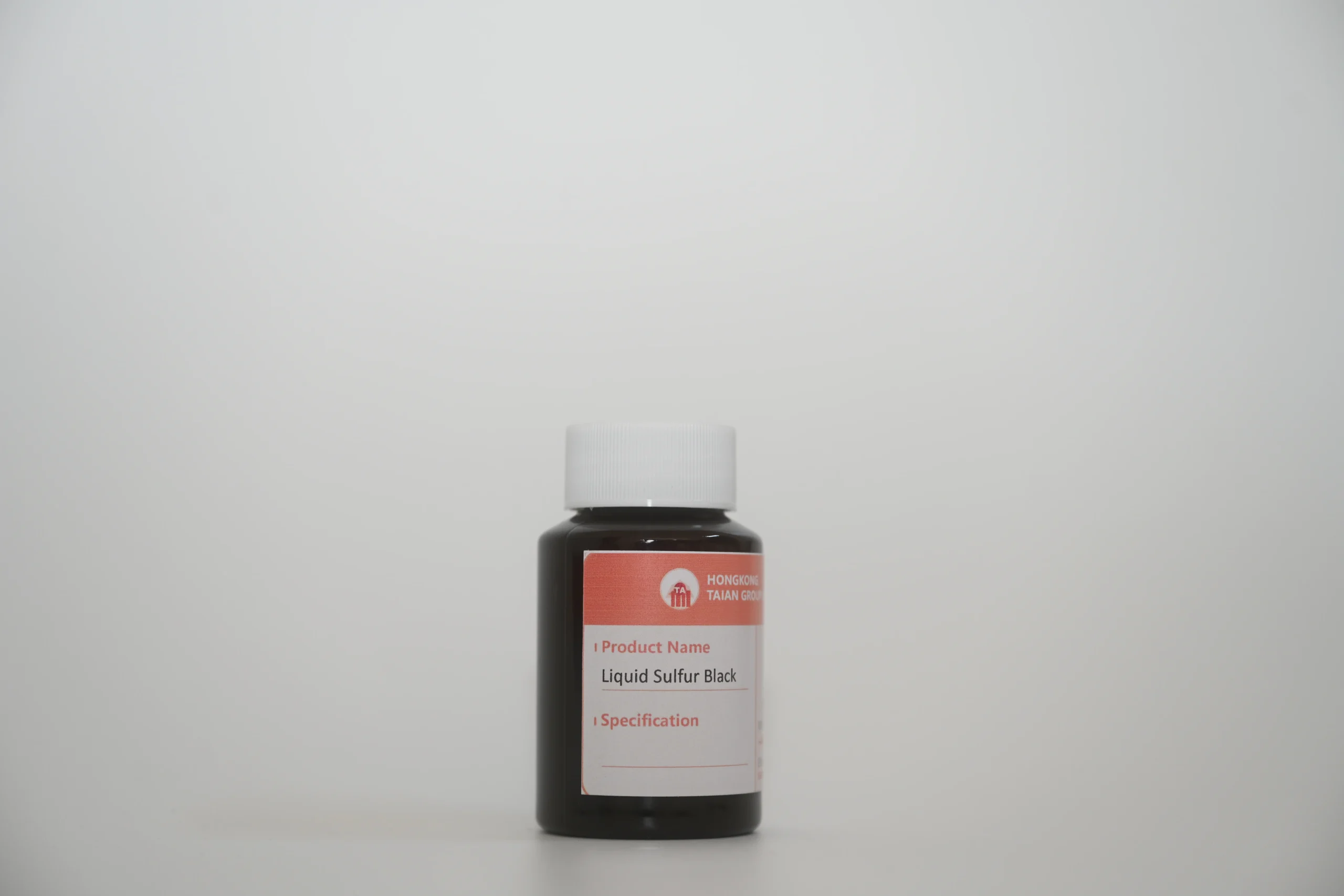
Liquid sulphur dyes are complex mixtures of polysulphides derived from sulphurization of organic compounds like aniline and other aromatic amines. Unlike many other dye classes, they aren't applied as a single chemical entity but as a solution containing various sulphur compounds. This unique composition gives them excellent wash and light fastness, especially for black and navy shades. They typically require a reduction process during application, converting the insoluble dye to a soluble leuco form which can then penetrate the fiber. Explore our range of sulphur dyes designed for optimal performance.
Key Characteristics: Excellent wash fastness, good light fastness, cost-effective, primarily used for dark shades, requires reduction for solubility.
Applications of Liquid Sulphur Dyes
The primary application of liquid sulphur dyes is in dyeing cotton textiles, including yarns, fabrics, and garments. They are particularly favored for workwear, denim, and other items requiring durable, dark colors. Their low cost makes them ideal for large-scale production. Beyond clothing, they're also used to dye paper and leather, although these applications are less common. The consistent depth of shade achieved with these dyes is a significant benefit for manufacturers. They excel in creating deep blacks, navies, browns, and olive greens.
Typical Applications:
• Workwear and Industrial Fabrics
• Denim and Casual Wear
• Cotton Bedding and Towels
• Paper Dyeing (Limited)
Liquid Sulphur Dyeing Process: A Step-by-Step Guide
The dyeing process involves several key steps. First, the dye is dissolved in warm water with a reducing agent (typically sodium sulfide) to convert it to the soluble leuco form. The fabric is then immersed in this solution, and the dyeing process occurs at elevated temperatures (typically 90-100°C). After dyeing, the fabric is rinsed thoroughly and then oxidized (often with hydrogen peroxide) to regenerate the insoluble dye within the fiber, fixing the color. Proper control of pH and temperature is crucial for achieving optimal results. Our technical experts can provide detailed process guidance.
Comparing Sulphur Dyes with Other Dye Classes
Sulphur dyes differ significantly from reactive, direct, and vat dyes. Reactive dyes offer brighter shades and better colorfastness on some materials, but are generally more expensive. Direct dyes are easier to apply but have lower wash fastness. Vat dyes provide excellent colorfastness but are more complex to apply and typically more costly. The following table summarizes the key differences:
Considerations and Safety Precautions
Working with sulphur dyes requires careful attention to safety. The reducing agents used (like sodium sulfide) can release hydrogen sulfide gas, which is toxic. Adequate ventilation is essential, and appropriate personal protective equipment (PPE), including respirators and gloves, should always be worn. Waste treatment is also crucial, as sulphur dyes can have a significant environmental impact if not properly managed. We provide detailed safety data sheets (SDS) for all our products.
Conclusion: Maximizing Value with Liquid Sulphur Dyes
Liquid sulphur dyes remain a vital component of the textile industry, offering a cost-effective solution for achieving durable, dark shades on cellulosic fibers. By understanding the dyeing process, considering safety precautions, and choosing high-quality dyes from a reputable supplier like Dyeingchem, textile manufacturers can optimize their production processes and deliver exceptional results.
Frequently Asked Questions (FAQs)
What are the environmental considerations when using sulphur dyes?
Sulphur dyes can contribute to water pollution if not properly treated. The effluent from dyeing processes contains residual dye, reducing agents, and other chemicals. Effective wastewater treatment is crucial, often involving oxidation and biological treatment to remove colour and reduce the chemical oxygen demand (COD). Sustainable practices include optimizing dye usage to minimize waste and exploring alternative, more environmentally friendly reducing agents where possible. Always comply with local environmental regulations.
How does the quality of water affect the dyeing process with sulphur dyes?
Water quality is critical. Hard water, containing high levels of calcium and magnesium, can interfere with dye solubility and penetration. It’s recommended to use soft water or treat the water with a water softener before dyeing. The pH of the water also needs to be carefully controlled, as it affects the efficiency of the reduction process and the final shade. Consistent water quality is key to reproducible dyeing results.
Can sulphur dyes be used on fabrics other than cotton?
While sulphur dyes are primarily used for cellulosic fibers like cotton, linen, and viscose, they have limited application on other materials. They do not readily dye polyester or nylon. Blending fabrics containing cellulose can be dyed with sulphur dyes, but the results on the synthetic components will be minimal. Modifying the dye or fabric pretreatment may be needed for specific blends, but it's often more effective to choose dyes specifically designed for synthetic fibers.
What is the role of the reducing agent in sulphur dyeing?
The reducing agent, typically sodium sulfide, is essential for converting the insoluble sulphur dye into a water-soluble leuco form. This conversion allows the dye to penetrate the fiber effectively. The amount of reducing agent used directly influences the depth of shade and the efficiency of the dyeing process. Careful control of the reduction process is crucial to ensure proper dye exhaustion and prevent uneven dyeing.