Comprehensive Guide to Textile Auxiliaries Chemicals and PDF Resources
Comprehensive Guide to Textile Auxiliaries Chemicals and PDF Resources
Understanding Textile Auxiliaries Chemicals: A Comprehensive Guide & PDF Resources
In the dynamic world of textile manufacturing, textile auxiliaries chemicals play a crucial, often understated, role. These substances are essential for optimizing various stages of textile processing, from pre-treatment to finishing, impacting the quality, durability, and aesthetic appeal of fabrics. This article delves into the intricacies of these chemicals, their diverse applications, and provides resources for accessing detailed information, including textile auxiliaries chemicals pdf documents. Understanding these compounds is paramount for manufacturers seeking efficiency, sustainability, and competitive advantage.

What are Textile Auxiliaries Chemicals?
Textile auxiliaries aren't direct components of the fabric itself, but rather chemical compounds that aid in the manufacturing process. They aren't consumed in the same way dyes are, but rather facilitate and enhance the effectiveness of other processes. This broad category encompasses a wide range of chemicals designed for specific purposes, including wetting agents, detergents, emulsifiers, dispersing agents, leveling agents, fixing agents, softening agents, and more. Each chemical contributes to improving a particular aspect of textile production, ultimately leading to a superior finished product.
Key Characteristics: These chemicals improve processing efficiency, enhance fabric quality, and contribute to the overall cost-effectiveness of textile manufacturing.
Key Categories of Textile Auxiliaries Chemicals
The world of textile auxiliaries is vast. Here's a breakdown of some essential categories:
- Pretreatment Agents: These chemicals prepare the fabric for dyeing and finishing processes. They include scouring agents (to remove impurities), bleaching agents (to whiten fabric), and mercerizing agents (to improve luster and strength).
- Dyeing Auxiliaries: These agents ensure even dye distribution and improve colorfastness. Examples are leveling agents, dispersing agents, and fixing agents.
- Finishing Agents: Applied to fabrics after dyeing, finishing agents impart desired properties like softness, wrinkle resistance, water repellency, and flame retardancy.
- Printing Auxiliaries: These are used in textile printing to ensure good print definition and color yield.
The Importance of Choosing the Right Textile Auxiliaries Chemicals
Selecting the appropriate textile auxiliaries chemicals is crucial for several reasons. The wrong chemicals can lead to uneven dyeing, poor colorfastness, fabric damage, and increased production costs. Furthermore, there’s a growing emphasis on sustainability in the textile industry. Choosing eco-friendly, biodegradable alternatives is essential to minimize environmental impact. Considerations include fabric type, desired finish, and environmental regulations.
Key Factors for Selection: Fabric type, desired finish, environmental impact, cost-effectiveness, and compliance with regulations.
Textile Auxiliaries Chemicals Comparison: Traditional vs. Sustainable Options
The industry is shifting towards more sustainable practices. Here’s a comparison of traditional and sustainable choices:
Where to Find Reliable Information and PDF Resources
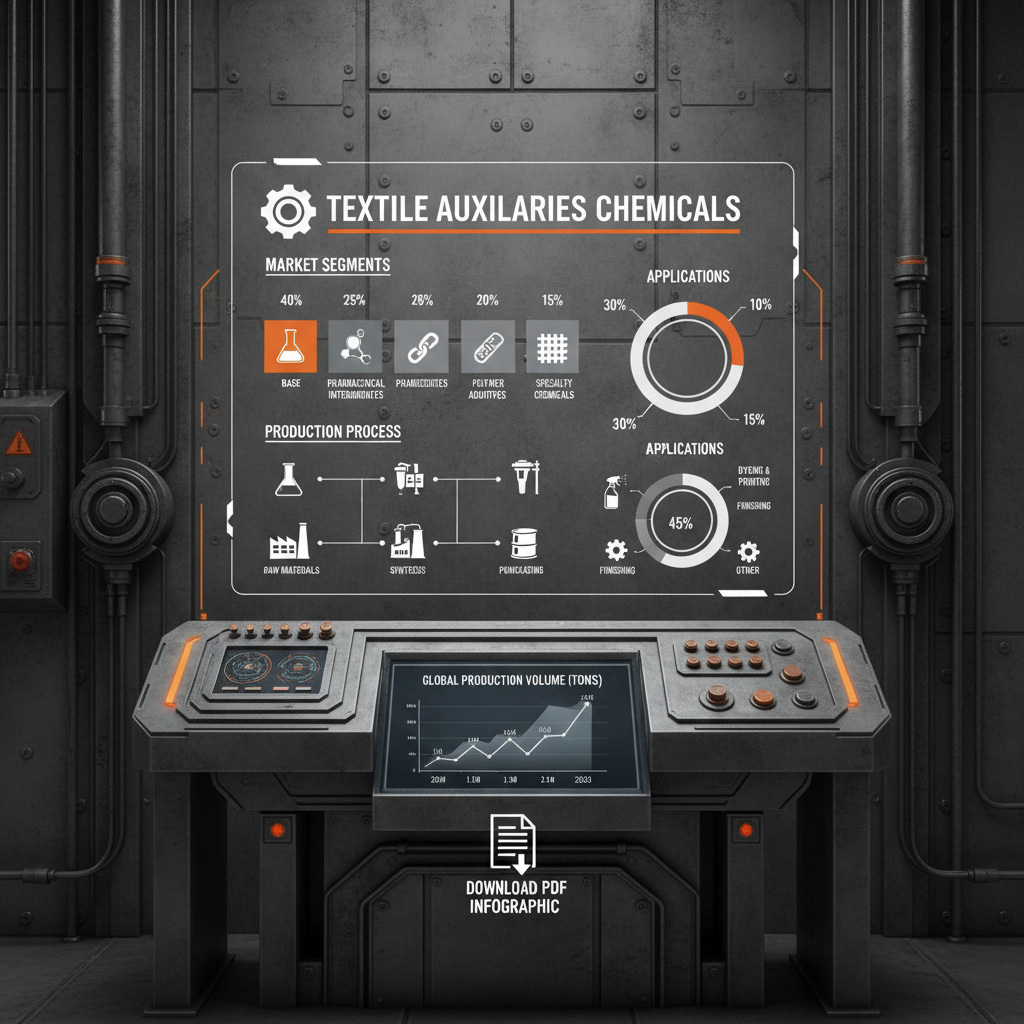
Staying informed about the latest advancements in textile auxiliaries chemicals is essential. Dyeingchem.com is a valuable resource, offering a wide range of information, including detailed product specifications, technical data sheets, and downloadable textile auxiliaries chemicals pdf guides. These resources can help you make informed decisions and optimize your textile manufacturing processes.
Conclusion: Embracing Innovation in Textile Chemistry
The effective use of textile auxiliaries chemicals is critical for modern textile manufacturing. By embracing sustainable alternatives and leveraging resources like Dyeingchem.com, textile producers can enhance product quality, reduce environmental impact, and remain competitive in a rapidly evolving industry.
Frequently Asked Questions (FAQs)
What are the main environmental concerns associated with traditional textile auxiliaries?
Traditional textile auxiliaries often contain substances like Alkylphenol Ethoxylates (APEOs), formaldehyde, and heavy metals. These chemicals can be toxic to aquatic life, persist in the environment, and potentially pose health risks to workers and consumers. Their discharge into wastewater contributes to water pollution and can disrupt ecosystems. Furthermore, the production of these chemicals often requires significant energy consumption and generates greenhouse gas emissions.
How can I identify sustainable alternatives for my current textile auxiliaries?
Look for certifications like GOTS (Global Organic Textile Standard), OEKO-TEX®, and bluesign®. These certifications indicate that the products meet strict environmental and social criteria. Focus on chemicals labeled as biodegradable, low-VOC (Volatile Organic Compounds), and free from harmful substances like APEOs and formaldehyde. Consult with suppliers who specialize in sustainable textile chemicals, like Dyeingchem.com, and request detailed product information and safety data sheets.
What role do dispersing agents play in the dyeing process?
Dispersing agents are crucial for preventing dye aggregation and ensuring uniform dye distribution in the dye bath. They work by reducing the surface tension between dye particles and the water, allowing the dye to remain finely dispersed and penetrate the fabric evenly. Without effective dispersing agents, dyes can clump together, leading to uneven coloration, poor color yield, and potential staining. The correct choice of dispersing agent depends on the type of dye and fabric being used.
Where can I find detailed technical data sheets for specific textile auxiliaries?
Reputable chemical suppliers like Dyeingchem.com typically provide comprehensive technical data sheets (TDS) and safety data sheets (SDS) for all their products. These documents contain detailed information about the chemical composition, physical properties, application guidelines, safety precautions, and regulatory compliance. You can usually find these documents on the supplier's website or by contacting their technical support team.