Understanding Textile Auxiliaries Meaning and Their Crucial Role in Fabric Production
Understanding Textile Auxiliaries Meaning and Their Crucial Role in Fabric Production
What is the Meaning of Textile Auxiliaries?
The world of textile manufacturing relies heavily on more than just fibers and dyes. Underpinning the creation of vibrant, durable, and functional fabrics are textile auxiliaries. But what exactly are textile auxiliaries? Simply put, they are chemical compounds added during textile processing – from pre-treatment to finishing – to improve the efficiency of processes, enhance fabric properties, and achieve desired aesthetics. They don't become part of the final fabric structure but are crucial for a high-quality end product. Understanding their role is vital for anyone involved in textile production, sourcing, or application.

Key Categories of Textile Auxiliaries
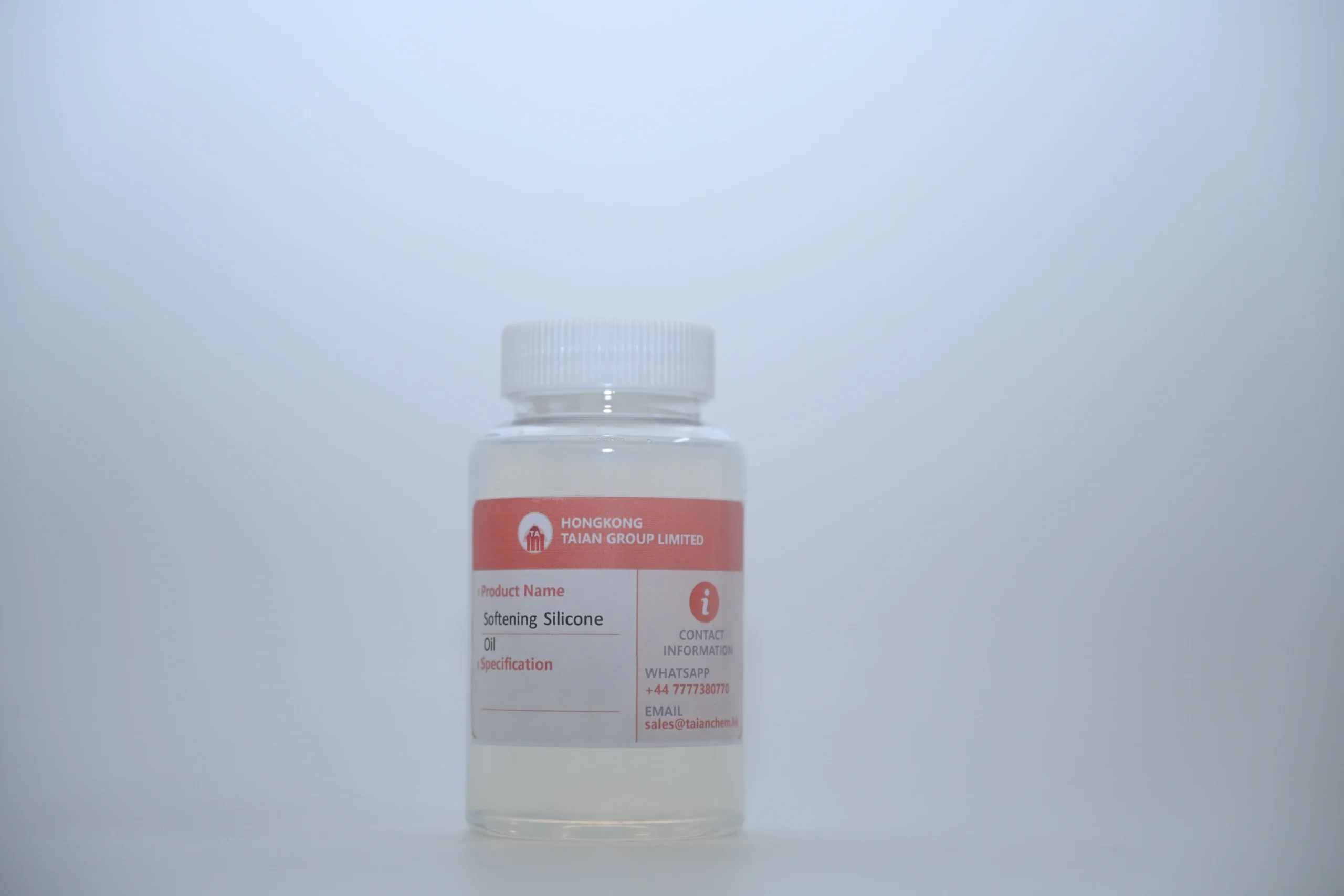
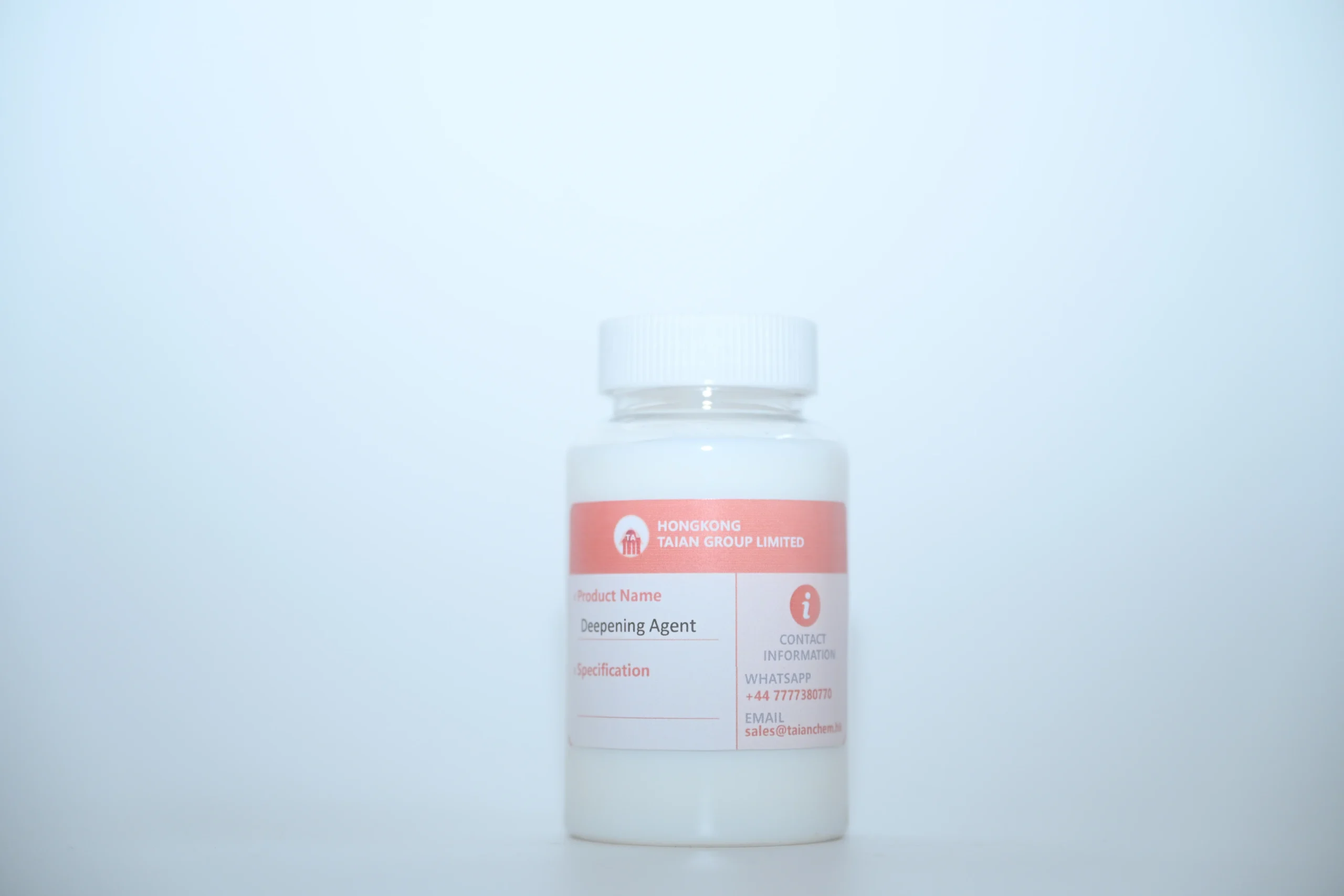
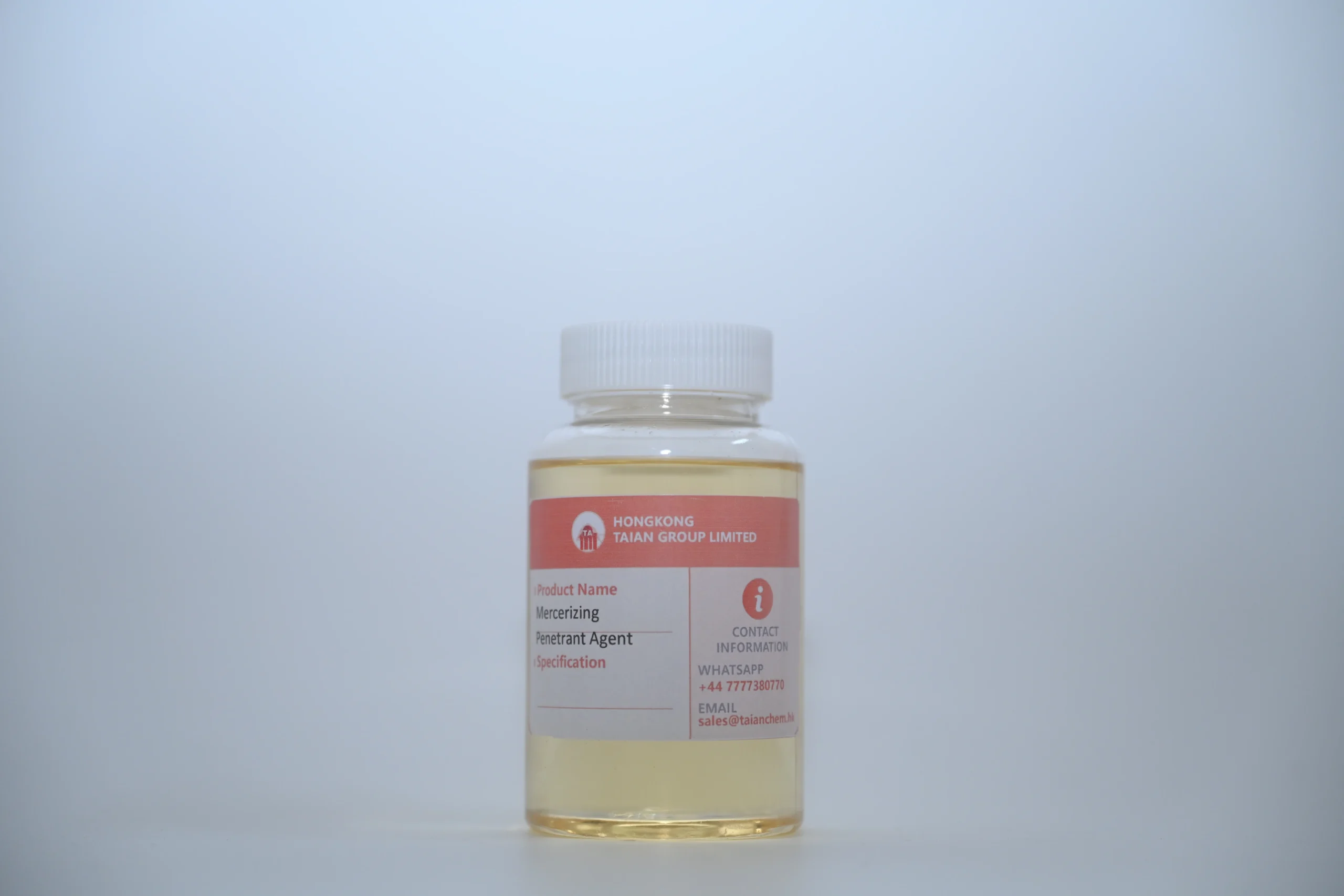
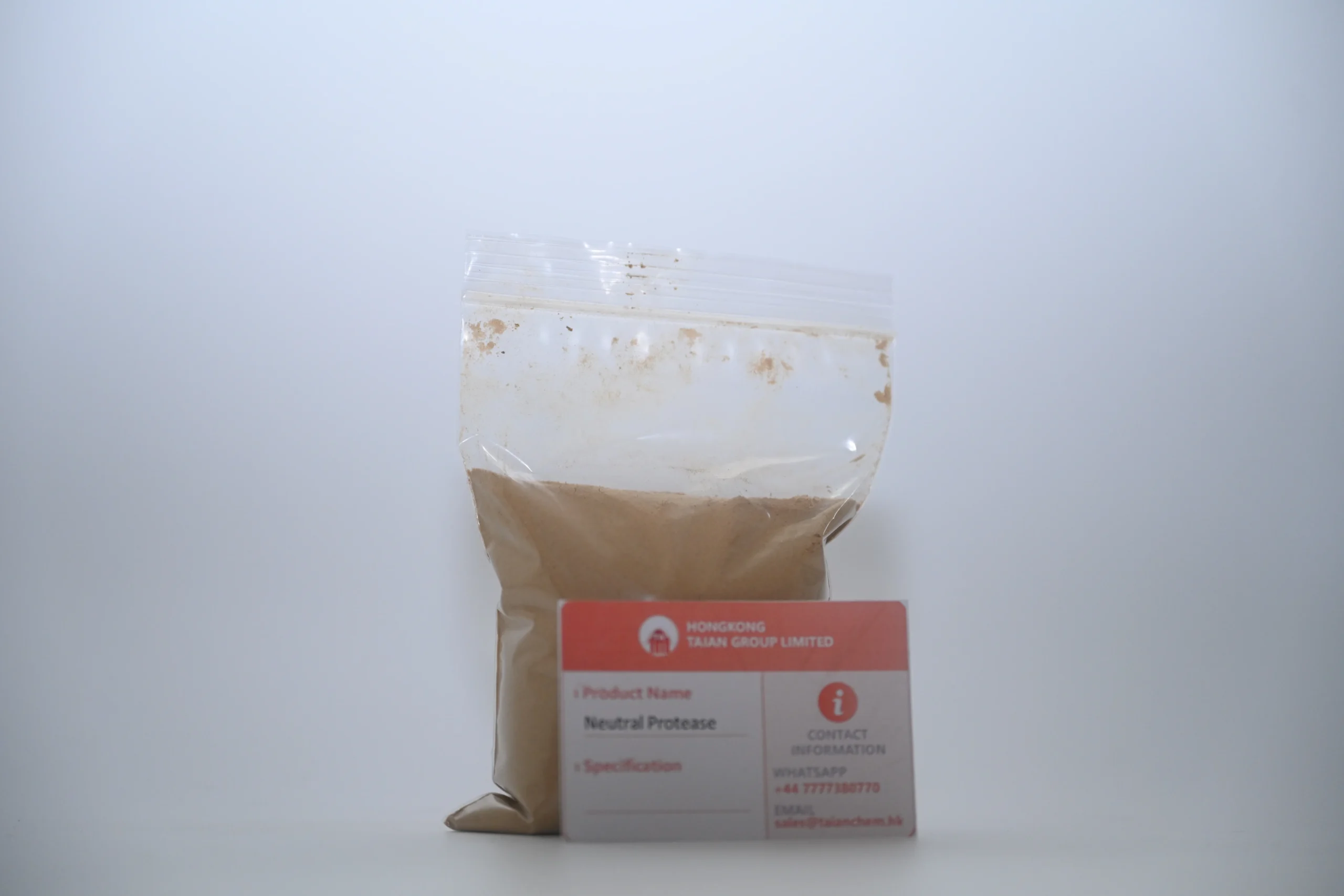
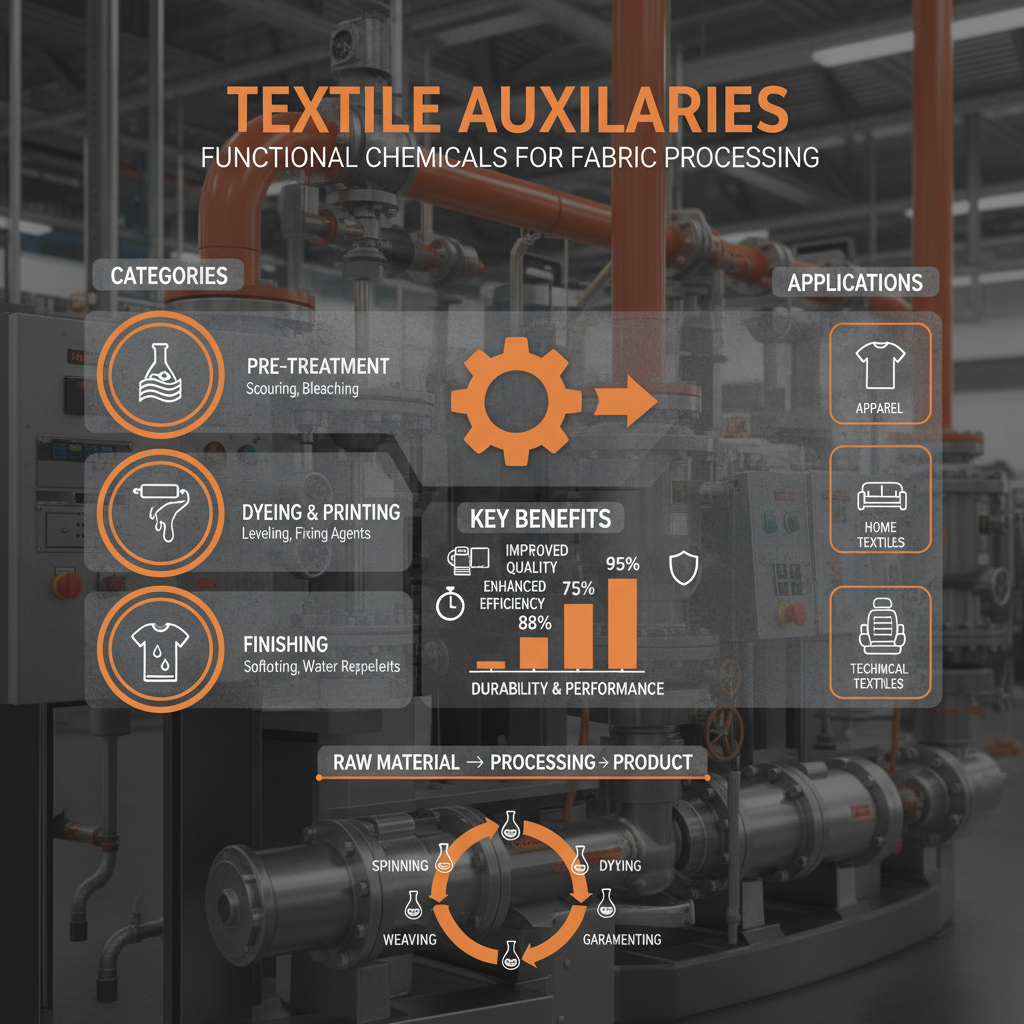
Textile auxiliaries are incredibly diverse, categorized by their function within the textile processing chain. Some primary categories include: Pretreatment Auxiliaries (wetting agents, scouring agents, bleaching agents), Dyeing Auxiliaries (leveling agents, dispersing agents, fixing agents), Printing Auxiliaries (thickeners, binders, anti-foaming agents), and Finishing Auxiliaries (softeners, water repellents, flame retardants). Each type serves a unique purpose, impacting the final properties of the fabric. Choosing the right auxiliaries directly impacts dye uptake, color fastness, fabric hand feel, and overall performance. For a comprehensive range, you can explore dyeing chemicals and auxiliaries offered by trusted suppliers.
Key Takeaway: Textile auxiliaries are essential chemical components used in all stages of textile processing to improve efficiency, enhance fabric properties, and achieve desired aesthetics.
Understanding the Role of Textile Auxiliaries in Dyeing
Dyeing is a critical step in textile manufacturing, and auxiliaries play a vital role in achieving consistent and vibrant colors. Leveling agents, for example, ensure uniform dye distribution, preventing uneven shades. Dispersing agents keep dyes suspended in the dye bath, promoting even penetration into the fabric. Fixing agents improve color fastness, preventing dye from bleeding or fading during washing. The proper selection and dosage of these auxiliaries directly impact the quality and longevity of the dyed fabric.
Dyeing Auxiliary Benefits:
• Ensure uniform dye distribution
• Promote even dye penetration
• Improve color fastness
• Enhance overall dye quality
Textile Auxiliaries: A Comparison of Common Types
Choosing the right auxiliary depends on the fabric type, dyeing process, and desired finish. Here’s a comparison of some commonly used auxiliaries:
Environmental Considerations and Sustainable Auxiliaries
The textile industry is increasingly focused on sustainability. This extends to the choice of auxiliaries. Manufacturers are seeking eco-friendly alternatives – biodegradable, low-VOC (volatile organic compound), and phosphate-free options. Compliance with environmental regulations (like REACH) is also paramount. Dyeingchem.com is committed to offering a range of sustainable textile auxiliaries.
Conclusion: The Indispensable Role of Textile Auxiliaries
In conclusion, textile auxiliaries are not merely add-ons, but integral components of modern textile processing. They are essential for achieving desired fabric properties, improving process efficiency, and driving sustainable manufacturing practices. Selecting the right auxiliaries, sourced from reliable suppliers, is crucial for producing high-quality textiles that meet market demands.
Frequently Asked Questions (FAQs)
What is the difference between a dyeing auxiliary and a finishing auxiliary?
Dyeing auxiliaries are used specifically during the dyeing process to improve dye uptake, leveling, and fastness. They work with the dye to ensure even and durable coloration. Finishing auxiliaries, on the other hand, are applied after dyeing (and potentially other treatments) to impart specific properties to the fabric, such as softness, water repellency, or wrinkle resistance. Think of dyeing auxiliaries as helping the dye adhere, while finishing auxiliaries enhance the fabric's final feel and performance. The correct application sequence is vital for achieving the desired textile quality.
Are textile auxiliaries harmful to the environment?
Some traditional textile auxiliaries can have negative environmental impacts due to their chemical composition. However, there’s a growing trend towards developing and using more sustainable alternatives. These include biodegradable auxiliaries, those with low VOC content, and phosphate-free options. Responsible manufacturers and suppliers prioritize eco-friendly formulations and adhere to environmental regulations like REACH to minimize their impact. Choosing sustainable auxiliaries is a crucial step towards greener textile production.
How do I determine the correct dosage of a textile auxiliary?
The optimal dosage of a textile auxiliary depends on several factors, including the fabric type, the specific auxiliary, the dyeing/treatment process, and the desired effect. Always follow the manufacturer's recommended dosage guidelines, as exceeding or underdosing can lead to undesirable results. Small-scale trials and careful monitoring are essential to fine-tune the dosage for optimal performance. Factors like water hardness and pH can also influence the required amount.
Where can I source high-quality textile auxiliaries?
Sourcing from reputable suppliers is critical for ensuring the quality and performance of textile auxiliaries. Dyeingchem.com offers a comprehensive range of high-quality textile auxiliaries, including eco-friendly options, with detailed technical specifications and support. Look for suppliers with strong quality control processes, certifications, and a commitment to sustainability.