Exploring the Physico Chemical Aspects of Textile Coloration and Dyeing Processes
Exploring the Physico Chemical Aspects of Textile Coloration and Dyeing Processes
Physico Chemical Aspects of Textile Coloration
Textile coloration is a complex process driven by a fascinating interplay of physico-chemical principles. Understanding these aspects is crucial for achieving optimal color fastness, shade reproducibility, and overall quality in textile dyeing and printing. From fiber structure to dye chemistry and application methods, a detailed comprehension is essential for textile chemists, dyers, and manufacturers alike. This article explores the key physico-chemical aspects of textile coloration, providing insights into the science behind vibrant and durable textiles. Effective coloration isn’t merely about aesthetics; it's about creating textiles with functional and enduring qualities.
Fiber Structure and Dye Uptake
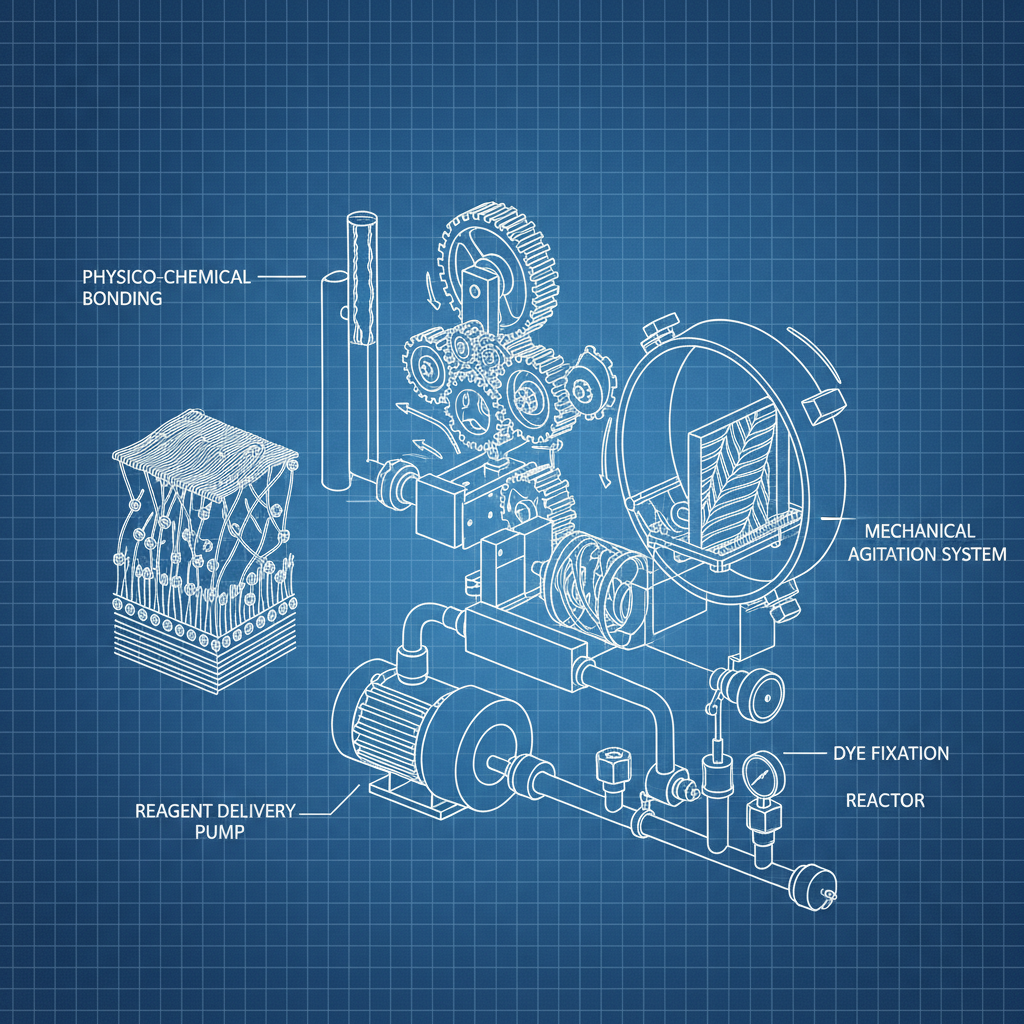
The structure of the textile fiber profoundly influences its ability to absorb and retain dyes. Natural fibers like cotton (cellulose) and wool (protein) possess differing molecular arrangements and chemical functionalities. Cellulose fibers have amorphous and crystalline regions; dyes primarily penetrate the amorphous areas. Protein fibers have a more complex structure with varying amino acid compositions influencing dye affinity. Synthetic fibers, such as polyester and nylon, require specific dyeing conditions to overcome their inherent hydrophobicity. Understanding the fiber’s porosity, surface area, and chemical composition is paramount to selecting appropriate dyes and optimizing dyeing processes. The morphology of the fiber directly impacts the rate and extent of dye diffusion.
Dye Chemistry: Molecular Interactions
Dyes are organic compounds containing chromophores (color-bearing groups) and auxochromes (color-enhancing groups). The interaction between the dye molecule and the fiber is governed by several physico-chemical forces. These include Van der Waals forces, hydrogen bonding, ionic bonding, and covalent bonding. The type of interaction dictates the dye's fastness properties. For example, reactive dyes form covalent bonds with cellulose fibers, resulting in excellent wash fastness. Direct dyes rely on hydrogen bonding and Van der Waals forces, leading to moderate fastness. Disperse dyes are used for hydrophobic fibers and are held by Van der Waals forces and dipole-dipole interactions.
The Role of Dyeing Auxiliaries
Dyeing auxiliaries are essential chemicals added to the dye bath to enhance dye solubility, improve dye uptake, and modify fiber properties. These include wetting agents, leveling agents, dispersing agents, and fixing agents. Wetting agents reduce the surface tension of the dye bath, promoting dye penetration into the fiber. Leveling agents ensure uniform dye distribution, preventing uneven coloration. Dispersing agents stabilize dye suspensions, preventing aggregation. Fixing agents improve dye fastness by forming complexes with the dye molecules. Choosing the right auxiliaries and optimizing their concentration are crucial for achieving desired coloration results. Dyeing Chem offers a comprehensive range of high-quality dyeing auxiliaries.
Effect of Temperature, pH, and Electrolytes
Temperature, pH, and electrolyte concentration significantly influence the dyeing process. Increasing temperature generally increases dye diffusion and reaction rates, but excessive temperatures can lead to dye degradation or fiber damage. The pH of the dye bath affects dye solubility and the ionization state of both the dye and the fiber. Certain dyes require specific pH ranges for optimal application. Electrolytes influence dye-fiber interactions by modifying the electrical double layer at the fiber surface, promoting dye adsorption. Understanding these parameters and controlling them carefully are critical for achieving reproducible dyeing results.
Key Factors Influencing Dyeing: Temperature, pH, Electrolyte Concentration, Dye Concentration, Dyeing Time.
Comparing Dye Classes & Fiber Compatibility
Different dye classes exhibit varying affinities for different fiber types. The table below summarizes the compatibility between common dye classes and textile fibers. This is a crucial consideration for achieving optimal coloration and fastness properties. Understanding these relationships allows for strategic dye selection based on the fiber composition and desired application. Choosing the appropriate dye class is not only about achieving color but also ensuring longevity and meeting performance expectations.
Future Trends in Textile Coloration
The textile industry is continually evolving, with increasing emphasis on sustainability and innovation. Emerging trends include the development of eco-friendly dyes derived from natural sources, advancements in digital textile printing for reduced water consumption and waste, and the exploration of novel dyeing techniques utilizing supercritical fluids. Nanotechnology is also playing a role, with nano-sized dyes offering enhanced color fastness and improved fiber penetration. These advancements are driven by a growing demand for environmentally responsible and high-performance textiles.
Conclusion: A Blend of Science and Art
The physico-chemical aspects of textile coloration are fundamental to achieving high-quality, durable, and aesthetically pleasing textiles. A thorough understanding of fiber structure, dye chemistry, and process parameters is vital for success in this complex field. By embracing innovation and sustainable practices, the textile industry can continue to evolve and meet the changing demands of the global market.
Frequently Asked Questions (FAQs)
What is the role of hydrogen bonding in dye-fiber interactions?
Hydrogen bonding is a significant intermolecular force responsible for the adsorption of many dyes onto textile fibers, particularly cellulosic materials like cotton. It occurs between hydrogen atoms in the dye molecule and oxygen or nitrogen atoms in the fiber structure. The strength of hydrogen bonding influences the wash fastness and light fastness of the coloration. Dyes capable of forming multiple hydrogen bonds generally exhibit higher fastness properties. Understanding hydrogen bonding is crucial for selecting dyes that exhibit strong affinity and durability on cellulosic fibers. The presence of functional groups that promote hydrogen bonding within the dye molecule is therefore a critical consideration in dye design and application.
How does the diffusion coefficient affect the dyeing rate?
The diffusion coefficient measures the rate at which dye molecules move through the fiber structure. A higher diffusion coefficient indicates faster dye penetration and, consequently, a quicker dyeing rate. Several factors influence the diffusion coefficient, including temperature, fiber swelling, dye molecular size, and fiber morphology. Increasing the temperature generally increases the diffusion coefficient, but beyond a certain point, it can damage the fiber. Swelling the fiber, often achieved through pH adjustment or using swelling agents, creates larger spaces for dye molecules to move through, enhancing diffusion. Understanding and controlling these factors are essential for optimizing dyeing kinetics.
What is the significance of color fastness testing?
Color fastness testing evaluates the resistance of a dyed textile to various environmental factors, such as washing, light exposure, rubbing, and perspiration. It’s a critical quality control measure ensuring the dyed fabric retains its color and appearance over time and through normal use. Different fastness tests simulate real-world conditions, providing data on the dye's durability. Standards like ISO 105 are commonly used to assess color fastness. Good color fastness is essential for maintaining the aesthetic appeal and functional performance of textile products, extending their lifespan and enhancing consumer satisfaction.
What are the challenges in dyeing synthetic fibers?
Synthetic fibers, like polyester and nylon, present unique dyeing challenges due to their inherent hydrophobicity (water-repellency). Unlike natural fibers, they don’t readily absorb water-soluble dyes. Effective dyeing requires specialized dyes (e.g., disperse dyes for polyester) and high-temperature, high-pressure conditions to overcome this hydrophobicity and facilitate dye penetration. Achieving uniform coloration can also be difficult due to the low polarity and tightly packed structure of these fibers. Furthermore, controlling dye sublimation (especially with polyester) during high-temperature processing is crucial to prevent color loss and ensure color fastness.