Exploring the World of Denim Jean Dye A Comprehensive Guide to Coloration
Exploring the World of Denim Jean Dye A Comprehensive Guide to Coloration
Understanding Denim Jean Dye: A Comprehensive Guide
The world of denim is iconic, and at the heart of its appeal lies the color – achieved through the process of denim jean dye. From classic indigo washes to vibrant, modern hues, dye plays a crucial role in defining the look and feel of this versatile fabric. This article explores the various types of dyes used, the dyeing processes involved, factors influencing dye selection, and emerging trends in denim coloration. We will delve into the chemistry, sustainability, and future of denim jean dye, offering insights for manufacturers, designers, and denim enthusiasts alike.
Types of Dyes Used in Denim Production
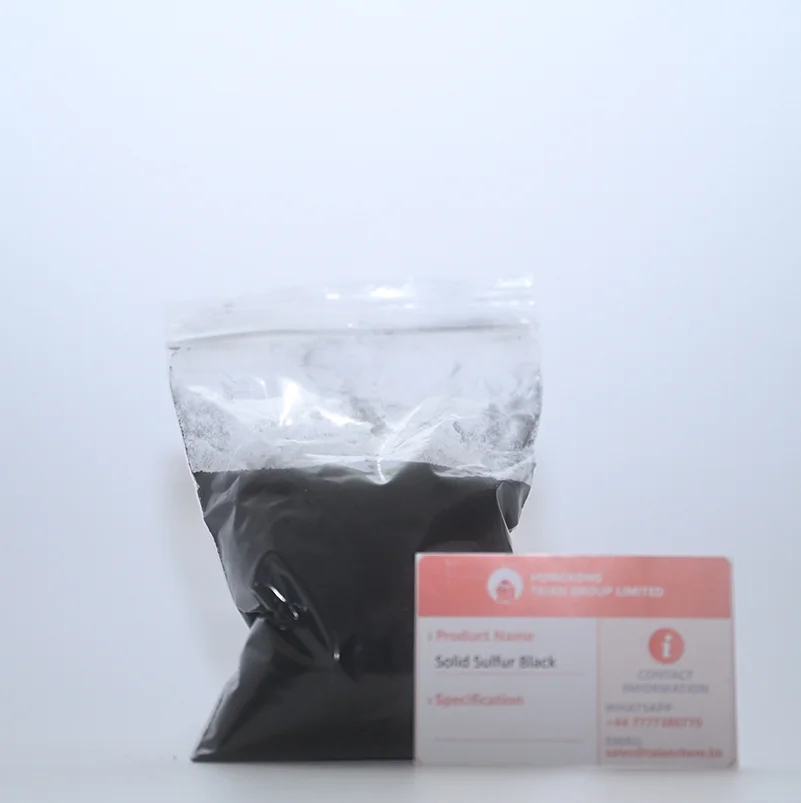
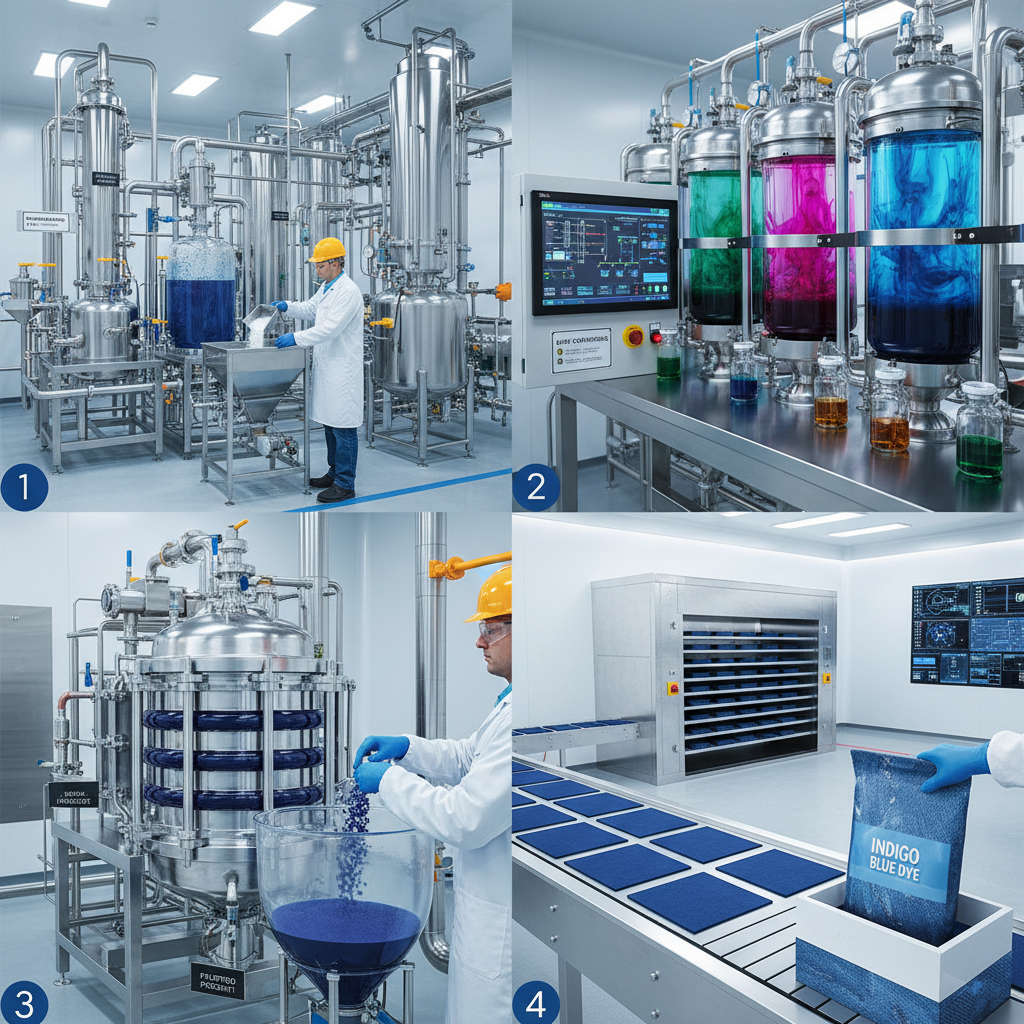
Several dye classes are utilized for coloring denim, each with distinct properties and applications. Indigo dye, traditionally derived from the indigofera plant, remains the cornerstone of classic denim blue. However, synthetic indigo, offering greater consistency and scalability, is now dominant. Other common dyes include sulfur dyes (for darker washes and black denim), reactive dyes (for brighter and more complex colors), and vat dyes (known for their excellent wash fastness). The choice of dye depends on the desired shade, durability requirements, and environmental considerations. Dyeingchem offers a comprehensive range of dyes suitable for various denim applications.
Key Highlights: Indigo dye is the cornerstone of classic denim blue, while sulfur, reactive and vat dyes are used for diverse color options.
Denim Dyeing Processes: A Step-by-Step Look
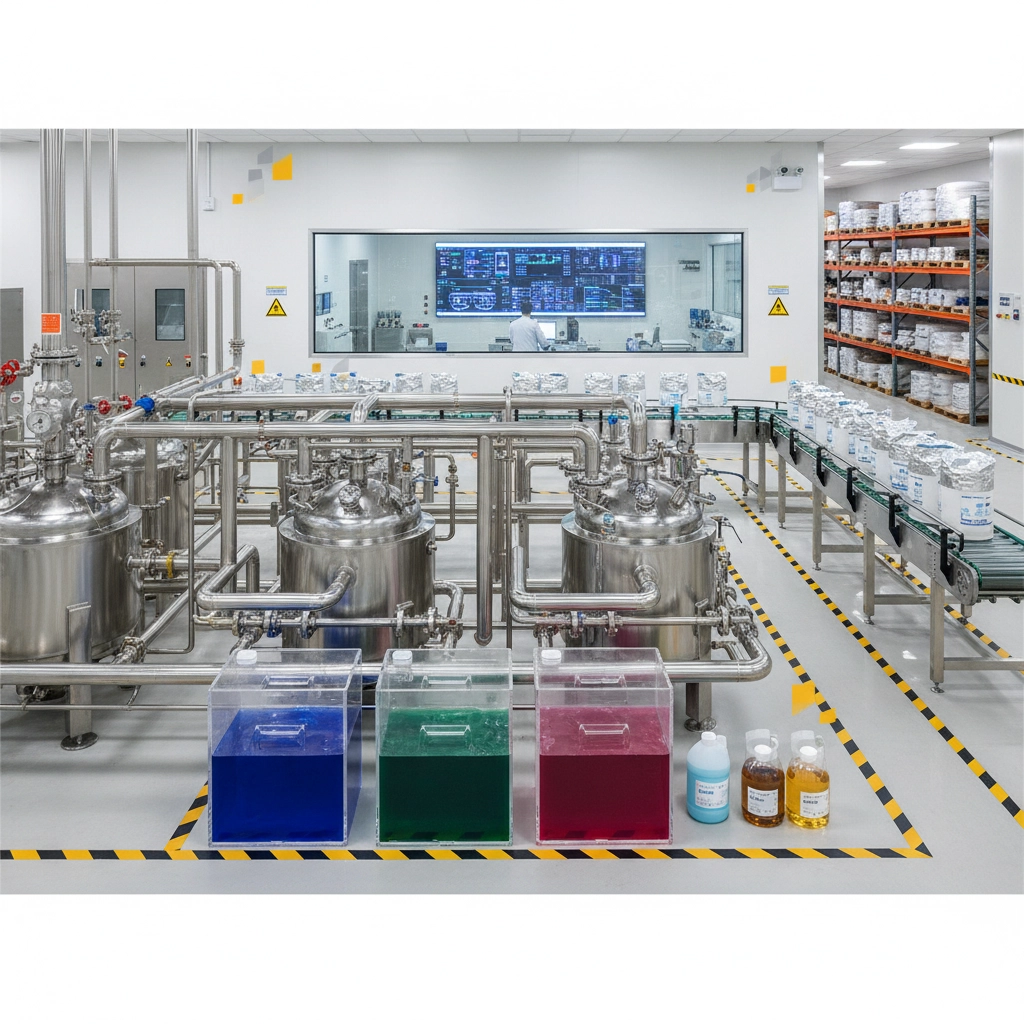
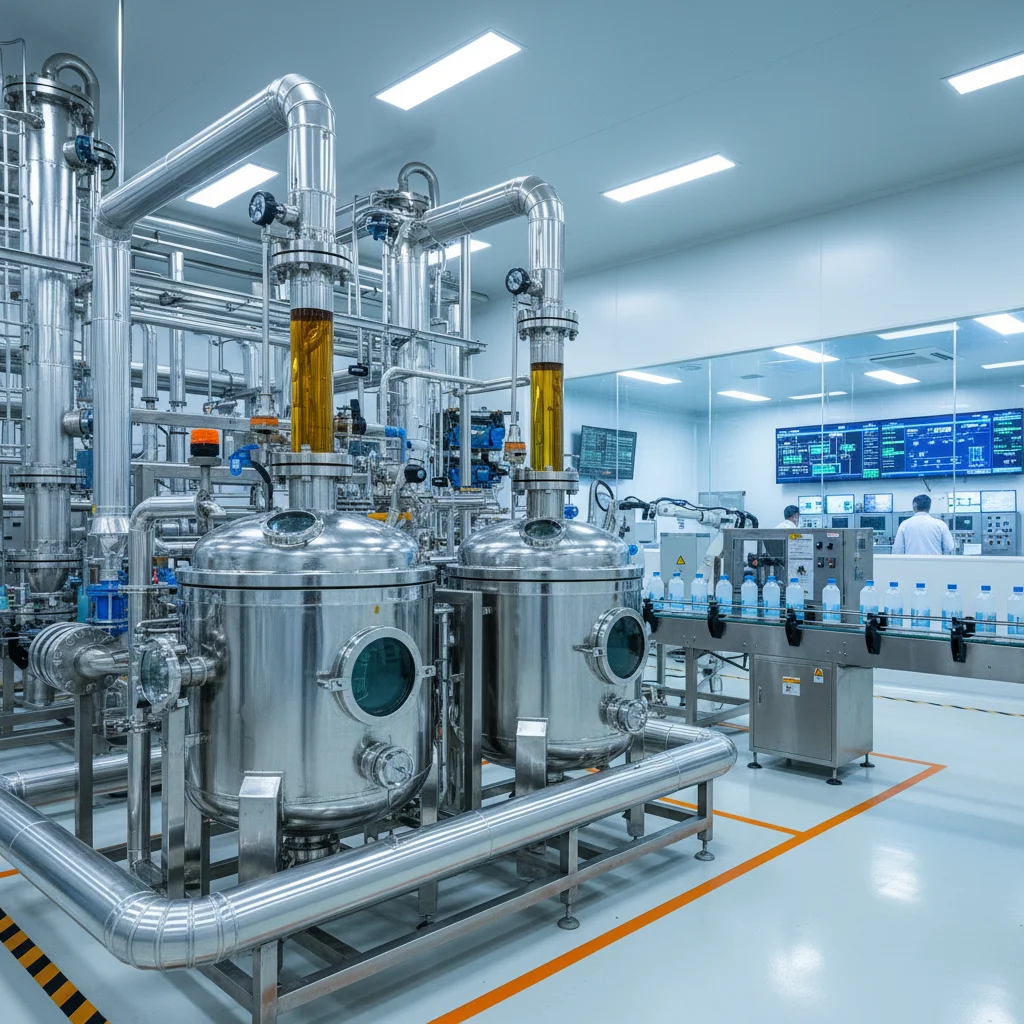
The process of dyeing denim is intricate and involves several stages. Typically, denim undergoes pretreatment to remove impurities. This is followed by the dyeing process itself, commonly using techniques like rope dyeing (traditional method for indigo) or continuous dyeing. After dyeing, the fabric undergoes washing, often incorporating enzymes and other treatments to achieve desired effects like fading and softening. Finishing treatments, such as sanforization (shrink-resistance) and resin finishing, complete the process. The efficiency and quality of each stage significantly impact the final product’s appearance and performance.
Denim Dyeing Process Steps:
• Pretreatment: Removing impurities from the denim fabric.
• Dyeing: Applying the chosen dye using methods like rope or continuous dyeing.
• Washing: Utilizing enzymes and treatments for fading and softening.
• Finishing: Applying treatments like sanforization and resin finishing.
Factors Influencing Dye Selection for Denim Jean Dye
Selecting the appropriate dye for denim involves considering numerous factors. Colorfastness – the dye’s resistance to fading during washing and exposure to light – is paramount. The desired shade and color depth influence the type and concentration of dye used. Environmental impact and regulatory compliance are increasingly important considerations. Cost-effectiveness is also crucial for manufacturers. Dyeingchem provides dyes that meet stringent quality and sustainability standards.
Sustainable Practices in Denim Jean Dye
The denim industry is increasingly focused on sustainability. Traditional denim dyeing processes are water-intensive and can generate significant pollution. Innovative techniques like foam dyeing, laser finishing, and ozone washing are emerging to reduce water consumption and chemical usage. The use of eco-friendly dyes, such as those with certifications like Bluesign®, is also gaining traction. Dyeingchem is committed to providing sustainable dye solutions for the denim industry.
Emerging Trends in Denim Coloration
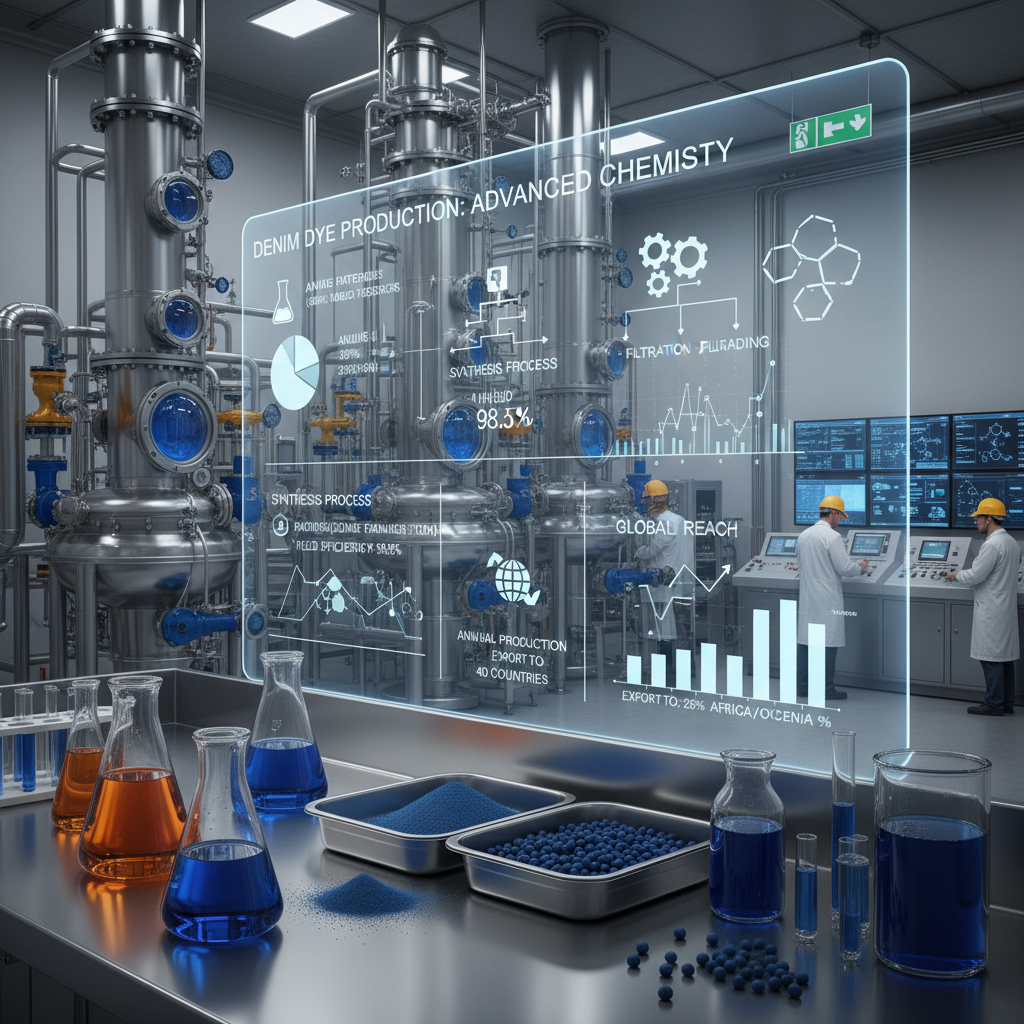
The world of denim coloration is constantly evolving. We're seeing a growing demand for unique and customized washes, as well as vibrant colors beyond traditional indigo. Digital printing techniques are allowing for greater design flexibility and reduced waste. Bio-dyes derived from natural sources are also gaining interest as a sustainable alternative. These trends are driving innovation in dye chemistry and dyeing processes, offering exciting possibilities for the future of denim.
Conclusion: Shaping the Future of Denim with Innovative Dye Solutions
The denim jean dye industry is undergoing a transformation, driven by demand for sustainability, innovation, and personalized styles. Choosing the right dye partner, like Dyeingchem, is crucial for navigating these changes and achieving high-quality, environmentally responsible denim products.
Frequently Asked Questions (FAQs)
What are the environmental concerns associated with traditional denim dyeing?
Traditional denim dyeing processes are known for their high water consumption, often requiring hundreds of liters of water to dye a single pair of jeans. They also utilize harsh chemicals, including dyes, reducing agents, and fixing agents, which can pollute waterways if not properly treated. Furthermore, the energy required for heating and processing adds to the carbon footprint. Sustainable alternatives like foam dyeing and bio-dyes aim to mitigate these environmental impacts.
How does foam dyeing contribute to sustainability?
Foam dyeing significantly reduces water consumption by using foam as the medium for dye application, rather than a traditional water bath. This process requires approximately 70% less water compared to conventional dyeing methods. Additionally, foam dyeing often results in a more even dye distribution and reduced chemical usage. The lower water consumption and chemical usage contribute to a smaller environmental footprint and lower operational costs.
What are bio-dyes, and what is their potential in denim coloration?
Bio-dyes are dyes derived from natural sources, such as plants, bacteria, and fungi. They offer a sustainable alternative to synthetic dyes, reducing reliance on petroleum-based chemicals. While currently offering a limited color palette compared to synthetic dyes, ongoing research is expanding the range of achievable hues. Bio-dyes are biodegradable and less toxic, making them an environmentally friendly option for denim coloration. However, challenges remain regarding scalability, colorfastness, and cost-effectiveness.
What is the role of certifications like Bluesign® in ensuring sustainable denim dyeing?
Bluesign® is a rigorous independent certification system that assesses the environmental performance of textile manufacturing processes, including dyeing. Dyes and processes certified by Bluesign® meet stringent criteria regarding resource productivity, consumer safety, water emissions, and air emissions. Choosing Bluesign®-certified dyes provides assurance that the dyeing process is environmentally responsible and minimizes harmful impacts on both human health and the environment.