Exploring the World of Denim Dye Color Trends and Sustainable Practices
Exploring the World of Denim Dye Color Trends and Sustainable Practices
Understanding Denim Dye Color: A Comprehensive Guide
The world of denim dye color is surprisingly complex, influencing not only the aesthetic appeal of jeans but also their production cost and environmental impact. From classic indigo to innovative sulfur dyes, understanding the nuances of denim dyeing is crucial for both manufacturers and consumers. This article will delve into the different types of dyes used, the dyeing processes involved, current trends, and considerations for sustainable practices. Ultimately, we'll aim to provide a complete overview of this fascinating and important aspect of the fashion industry.

The Core: Indigo Dye – A Historical Perspective
Indigo is the most iconic and historically significant dye for denim. For centuries, natural indigo derived from plants like Indigofera tinctoria was the primary source. However, with the rise of mass production, synthetic indigo became dominant due to its lower cost and consistent quality. The process of achieving that classic denim blue requires careful control of dye concentration, immersion time, and washing techniques. It's the foundation upon which nearly all denim shades are built, often then layered with other dyes to create more complex colours. Dyeingchem provides a range of high-quality indigo dyes for various denim applications.
Key Highlight: Indigo’s unique molecular structure allows it to penetrate the fibers deeply, creating a lasting and vibrant blue color. It’s also known for its ability to create beautiful fading and distressing effects over time.
Beyond Indigo: Exploring Other Denim Dye Colors
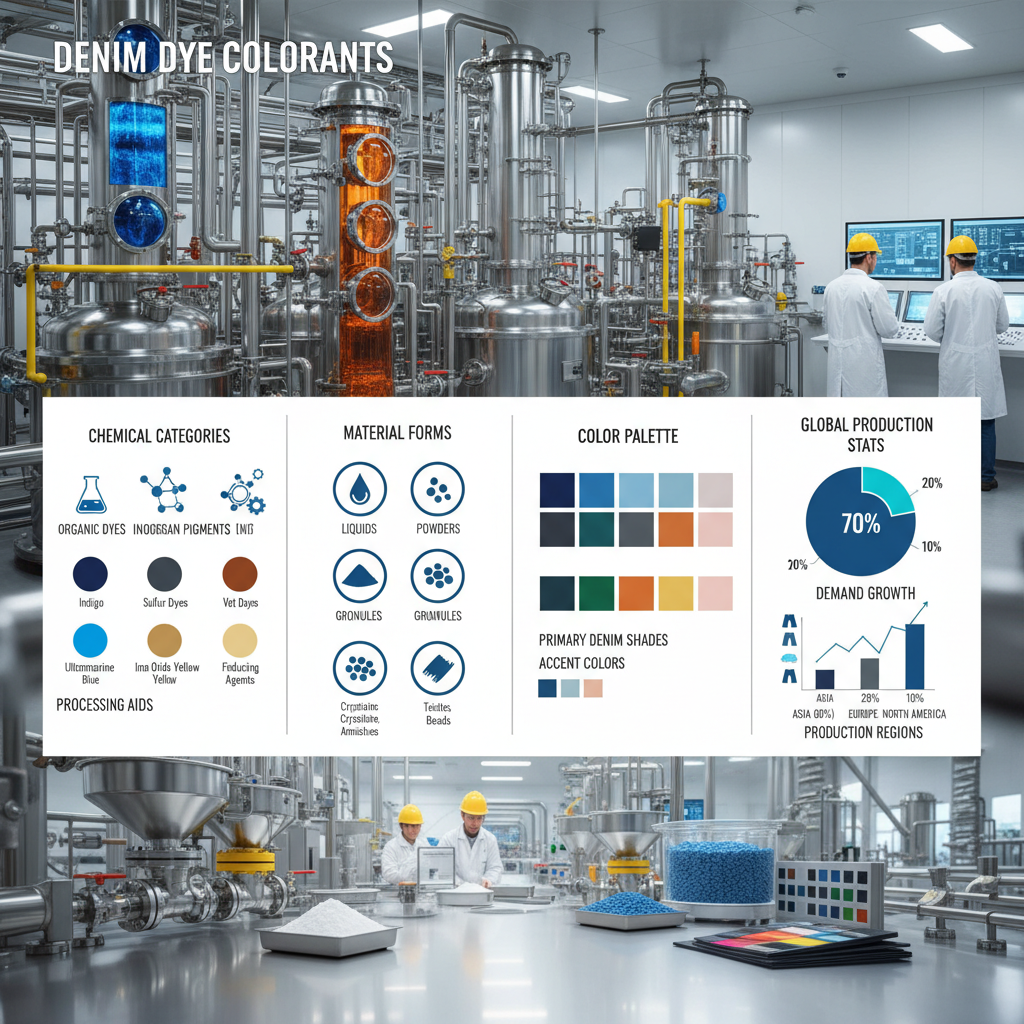
While indigo dominates, a vast spectrum of denim dye colors can be achieved using other dye classes. Sulfur dyes produce black and dark shades, commonly used for creating heavily washed or distressed looks. Reactive dyes allow for a wider range of bright and vibrant colors, though they may not offer the same fading characteristics as indigo. Vat dyes provide excellent colorfastness and are often used for producing consistent, deep shades. Finally, direct dyes are cost-effective but generally have lower wash fastness.
Common Denim Dye Types:
• Indigo: Classic blue shades, excellent fading potential.
• Sulfur: Black and dark shades, cost-effective.
• Reactive: Bright and vibrant colors, moderate fastness.
• Vat: Excellent colorfastness, deep shades.
• Direct: Cost-effective, lower wash fastness.
Denim Dye Color Trends: Current Market Demands
Current trends in denim dye color are leaning towards more sustainable and innovative solutions. We’re seeing a resurgence of natural dyes, though scaling production remains a challenge. There’s also a growing demand for unique and unconventional shades, pushing dye manufacturers to develop new formulations. "Vintage" and "worn-in" effects, achieved through specialized dyeing and washing techniques, remain highly popular. Consumers are increasingly interested in transparency and traceability in the dyeing process.
Sustainable Denim Dyeing: A Growing Imperative
Traditional denim dyeing processes can be highly water-intensive and generate significant pollution. Sustainable alternatives are gaining traction, including technologies like foam dyeing, which reduces water usage, and ozone washing, which minimizes chemical consumption. Utilizing dyes with lower environmental impact, such as those certified by OEKO-TEX®, is also crucial. Dyeingchem is committed to offering eco-friendly dye solutions that meet stringent environmental standards.
Product Specifications: Indigo Dye – DC-INDIGO-100
Here's a snapshot of one of our popular indigo dye products:
Conclusion: The Future of Denim Dye Color
The world of denim dye color is constantly evolving, driven by innovation, sustainability concerns, and shifting consumer preferences. Choosing the right dyes and dyeing techniques is crucial for creating high-quality, environmentally responsible denim products. By embracing new technologies and prioritizing sustainable practices, the denim industry can ensure a vibrant and responsible future.
Frequently Asked Questions (FAQs)
What is the difference between indigo dyeing and sulfur dyeing?
Indigo dyeing produces the classic blue color associated with denim and is known for its unique fading characteristics. Sulfur dyeing, on the other hand, creates black or dark shades and is generally more cost-effective. However, sulfur dyes often lack the same depth of color and fading potential as indigo. Indigo requires a more complex dyeing process involving reduction and oxidation, while sulfur dyeing is relatively straightforward. The choice between the two depends on the desired aesthetic and budget.
How can denim dyeing be made more sustainable?
Several approaches can enhance the sustainability of denim dyeing. These include using low-impact dyes, implementing water-saving technologies like foam dyeing and ozone washing, and treating wastewater to remove pollutants. Utilizing natural dyes, although challenging to scale, offers a promising alternative. Transparency in the supply chain and certifications like OEKO-TEX® also contribute to more responsible practices. Dyeingchem actively supports sustainable dyeing solutions.
What factors affect the final denim dye color?
Numerous factors influence the final denim dye color, including the type of dye used, dye concentration, immersion time, water temperature, and pH level. The fabric's composition and weave also play a role. Washing and finishing processes, such as stone washing or enzyme washing, can significantly alter the final shade. Achieving consistent color requires precise control of all these variables.
What is the role of 'fading' in denim dye color?
Fading is a desirable characteristic of many denim garments, creating a worn-in and personalized look. Indigo dye is particularly prone to fading due to its unique molecular structure. The rate and pattern of fading are influenced by factors like wear patterns, washing frequency, and exposure to sunlight. Some consumers actively seek out denim with specific fading effects, while others prefer a more consistent color.