Optimizing Animal Nutrition and Performance with Animal Feed Enzymes
Optimizing Animal Nutrition and Performance with Animal Feed Enzymes
Unlocking Optimal Animal Nutrition with Animal Feed Enzymes
In the modern livestock industry, maximizing feed efficiency and animal health is paramount. Animal feed enzymes are playing an increasingly critical role in achieving these goals. These biological catalysts enhance the digestibility of feed ingredients, leading to improved nutrient absorption, reduced feed costs, and enhanced animal performance. This article will explore the benefits, types, applications, and future trends of animal feed enzymes. Understanding the power of enzymatic solutions can significantly impact your livestock operation’s profitability and sustainability.
What are Animal Feed Enzymes and Why Use Them?
Animal feed enzymes are proteins that accelerate specific biochemical reactions within the digestive tract. They break down complex carbohydrates, proteins, and fats into smaller, more easily absorbable molecules. This is particularly important for monogastric animals (like poultry and swine) that have limited ability to digest certain feed components on their own. Utilizing feed enzymes offers a range of benefits, including: improved nutrient utilization, reduced anti-nutritional factors, lower feed costs through the use of alternative ingredients, increased animal growth rate, and improved gut health. These advantages contribute to a more sustainable and profitable livestock operation.
Key Benefits: Improved nutrient utilization, Reduced anti-nutritional factors, Lower feed costs, Increased animal growth rate, and Improved gut health.
Common Types of Animal Feed Enzymes
Several types of enzymes are commonly used in animal feed, each targeting specific substrates. These include: Phytase, which releases phosphorus from phytate (an anti-nutrient); Xylanase, which breaks down xylan, a complex carbohydrate found in plant cell walls; Beta-glucanase, which degrades beta-glucans, also found in plant cell walls and often problematic in barley and oats; Protease, which aids in protein digestion; and Amylase, which assists in starch digestion. The specific enzyme or enzyme blend required will depend on the animal species and the composition of the feed. Selecting the right enzymes is crucial for maximizing their effectiveness.
Enzyme Functions:
• Phytase: Releases phosphorus from phytate.
• Xylanase: Breaks down xylan.
• Beta-glucanase: Degrades beta-glucans.
• Protease: Aids in protein digestion.
• Amylase: Assists in starch digestion.
Animal Feed Enzymes: A Comparative Analysis
The efficacy of different enzymes can vary depending on factors such as pH, temperature, and substrate concentration. Here's a comparison of some key enzymes and their optimal working conditions:
Applications by Animal Species
The application of animal feed enzymes varies across species. In poultry, phytase and xylanase are commonly used to improve phosphorus availability and break down fiber, leading to better growth and egg production. For swine, protease and amylase are crucial for efficient protein and starch digestion, enhancing growth performance. In aquaculture, enzymes aid in the digestion of plant-based proteins, improving feed conversion ratios in fish and shrimp. Understanding species-specific nutritional requirements is key to selecting the optimal enzyme blend. Dyeingchem provides customized enzymatic solutions tailored to different livestock needs.
Future Trends in Animal Feed Enzyme Technology
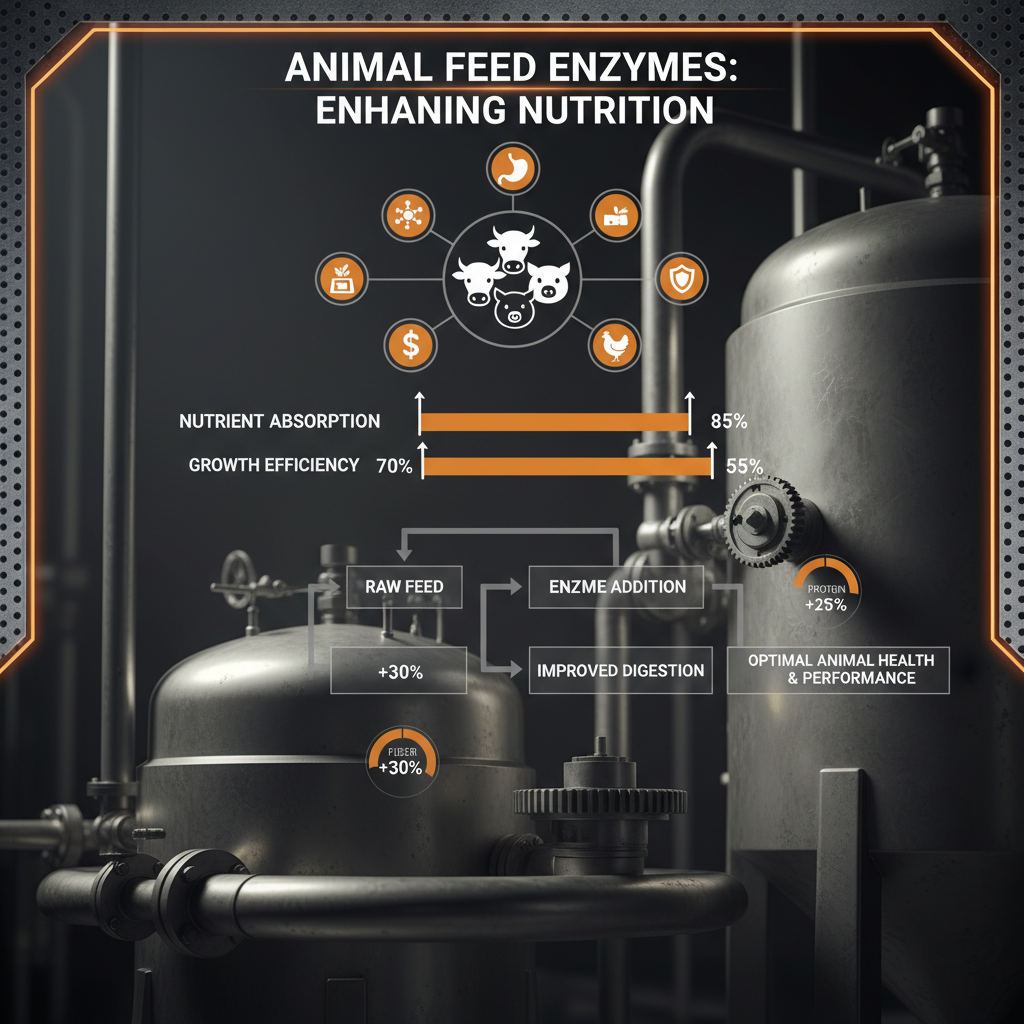
The future of animal feed enzymes is promising, with ongoing research focused on developing more efficient and stable enzymes. Areas of innovation include: enzyme encapsulation to protect them from degradation in the feed and digestive tract, the development of multi-enzyme complexes for broader substrate coverage, and the use of microbial fermentation to produce enzymes at a lower cost. Furthermore, precision enzyme application, tailored to individual animal needs, is gaining traction. Dyeingchem is committed to staying at the forefront of these advancements, providing cutting-edge enzymatic solutions to our customers.
Conclusion: Enhancing Livestock Performance with Enzymes
Animal feed enzymes represent a significant opportunity to improve livestock productivity, reduce feed costs, and promote sustainable agriculture. By understanding the benefits, types, and applications of these powerful tools, producers can unlock the full potential of their feed and optimize animal health. Investing in high-quality enzymatic solutions like those offered by Dyeingchem is a strategic step towards a more profitable and environmentally responsible future.
Frequently Asked Questions (FAQs)
What is the optimal dosage of enzymes in animal feed?
The optimal dosage of enzymes varies depending on the animal species, age, feed composition, and the specific enzyme being used. It’s crucial to consult with a nutritionist or enzyme supplier to determine the appropriate dosage for your specific needs. Generally, dosages are expressed in units per kilogram of feed. Overdosing can be costly and may not provide additional benefits, while underdosing may result in suboptimal performance. Dyeingchem offers technical support and dosage recommendations to help you maximize the effectiveness of our enzyme products.
Are animal feed enzymes safe for animal consumption?
Yes, animal feed enzymes are generally recognized as safe (GRAS) by regulatory authorities worldwide. They are naturally produced by microorganisms and are broken down into amino acids during digestion, just like proteins in the feed. However, it's important to source enzymes from reputable suppliers who adhere to strict quality control standards. Dyeingchem's enzymes undergo rigorous testing to ensure purity, safety, and efficacy.
How should animal feed enzymes be stored?
Animal feed enzymes should be stored in a cool, dry, and well-ventilated place, away from direct sunlight and extreme temperatures. Exposure to heat, moisture, or UV radiation can reduce their activity and effectiveness. It's best to store enzymes in their original packaging and to use them within the recommended shelf life. Proper storage is essential to maintain enzyme potency and ensure optimal performance.
Can enzymes replace other feed additives?
While enzymes can significantly improve nutrient utilization and reduce the need for some feed additives, they don't necessarily replace all of them. Enzymes primarily target the breakdown of complex carbohydrates, proteins, and fats, while other additives may address different nutritional needs, such as vitamins, minerals, or amino acids. A balanced approach, incorporating both enzymes and other essential feed additives, is often the most effective strategy for optimizing animal health and performance.