Optimizing Animal Nutrition with Enzymes in the Animal Feed Industry
Optimizing Animal Nutrition with Enzymes in the Animal Feed Industry
Understanding Enzymes in the Animal Feed Industry
The animal feed industry is constantly evolving, seeking innovative ways to improve animal health, enhance feed efficiency, and reduce environmental impact. A key component of this evolution is the increasing utilization of enzymes. These biological catalysts are proving invaluable in breaking down complex feed ingredients, unlocking nutrients, and optimizing digestion. This article will explore the various applications of enzymes in animal feed, their benefits, the types commonly used, and future trends. Understanding how these enzymes function is crucial for maximizing animal performance and promoting sustainable agriculture.
The Role of Enzymes in Animal Digestion
Animals, particularly monogastrics (like poultry and swine), often lack the necessary enzymes to fully digest certain complex carbohydrates, proteins, and phytates found in common feed ingredients. This results in undigested nutrients being excreted, leading to reduced feed efficiency and increased waste. Enzymes bridge this gap by supplementing the animal’s natural digestive capabilities. They work by hydrolyzing complex molecules into simpler, absorbable forms, thus improving nutrient bioavailability. This enhanced digestion translates to better growth rates, improved feed conversion ratios (FCR), and enhanced overall animal health. The use of feed enzymes is therefore a proactive approach to optimizing animal nutrition.
Key Benefits: Improved nutrient absorption, enhanced feed efficiency, reduced feed costs, minimized environmental impact through reduced waste, and improved animal health and performance.
Commonly Used Enzymes in Animal Feed
Several types of enzymes are utilized in animal feed, each targeting specific substrates. The most prevalent include phytase, xylanase, beta-glucanase, protease, and amylase. Phytase, for example, breaks down phytate – a phosphorus-containing compound in plant seeds that binds to essential minerals, rendering them unavailable to the animal. Xylanase and beta-glucanase target non-starch polysaccharides (NSPs) found in grains like wheat and barley, improving the digestibility of these energy sources. Protease aids in protein digestion, while amylase breaks down starch. The selection of the appropriate enzyme blend depends on the animal species, the composition of the feed, and the specific nutritional goals.
Enzyme Function Overview:
• Phytase: Releases phosphorus and improves mineral availability.
• Xylanase: Breaks down xylan, improving energy digestibility.
• Beta-Glucanase: Breaks down beta-glucans, enhancing nutrient absorption.
• Protease: Improves protein digestion and utilization.
• Amylase: Breaks down starch into simpler sugars.
Enzymes in Animal Feed: A Comparative Analysis
The effectiveness of enzyme supplementation varies depending on several factors, including enzyme activity, the animal’s digestive system, and the composition of the diet. Comparing the impact of enzyme blends versus traditional feed formulations highlights the advantages. Using high-quality enzymes sourced from reputable suppliers is critical for achieving optimal results. The table below showcases a comparison between diets with and without enzyme supplementation in broiler chickens:
Future Trends and Innovations
The field of enzyme technology is continuously advancing. Future trends include the development of more thermostable enzymes that can withstand the harsh conditions of feed processing, the discovery of novel enzymes targeting previously undigestible substrates, and the use of enzyme cocktails tailored to specific animal needs. Additionally, research is focusing on optimizing enzyme delivery methods to maximize their effectiveness. Microencapsulation is one promising technique, protecting enzymes from degradation in the upper digestive tract and ensuring targeted release in the intestines. As the demand for sustainable and efficient animal production grows, the role of enzymes in animal feed will only become more prominent.
Conclusion: Optimizing Animal Nutrition with Enzyme Technology
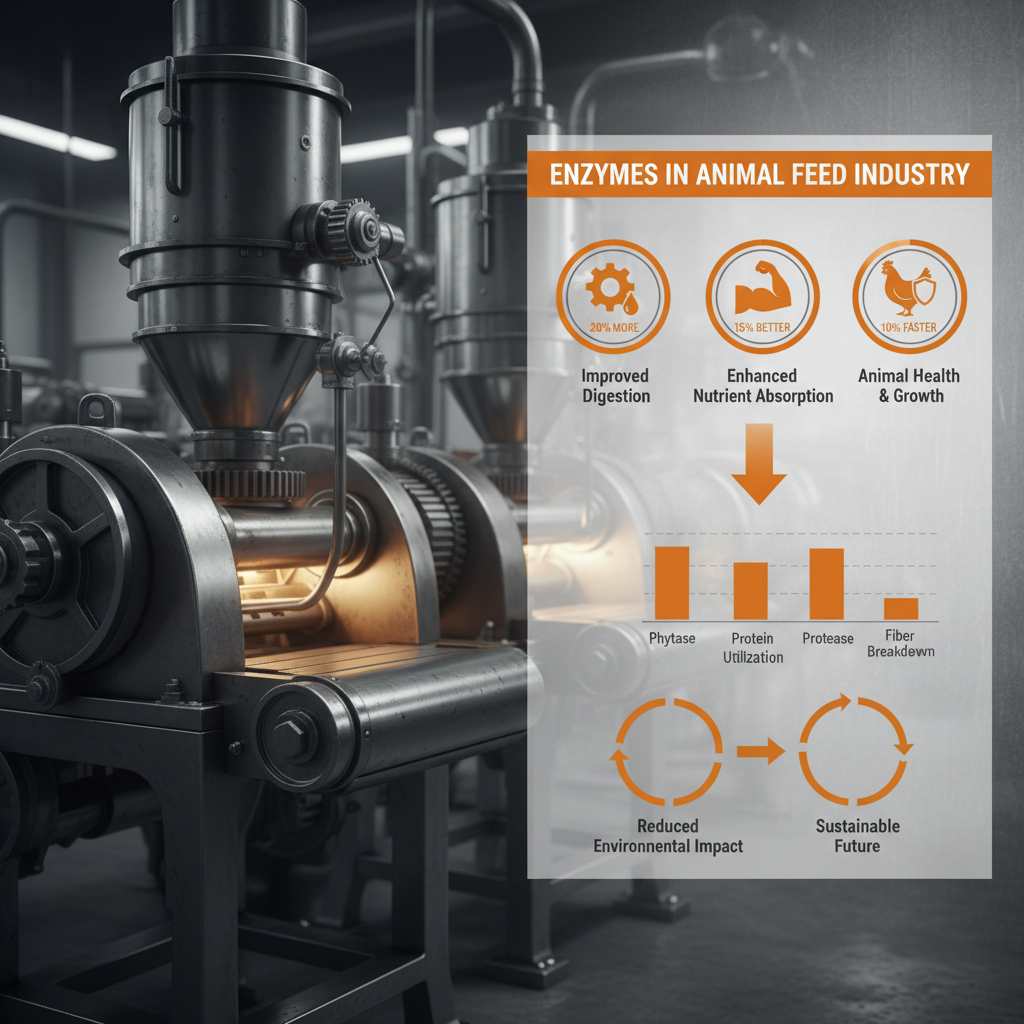
Enzymes are proving to be essential tools in modern animal nutrition. By enhancing nutrient digestibility, improving feed efficiency, and reducing environmental impact, they contribute to more sustainable and profitable animal production. The selection of appropriate enzyme blends and careful consideration of feed composition are crucial for maximizing benefits. Dyeingchem provides high-quality enzymes designed to optimize animal health and performance.
Frequently Asked Questions (FAQs)
What are the potential drawbacks of using enzymes in animal feed?
While enzymes offer significant benefits, there are potential drawbacks to consider. Over-supplementation can sometimes lead to digestive upset or imbalances in gut microbiota. The cost of enzymes can also be a factor, though the benefits often outweigh the expense through improved feed efficiency and reduced waste. It is crucial to use enzymes at the recommended dosage and to select enzymes specifically formulated for the target animal species and diet. Furthermore, enzyme activity can be affected by factors like pH, temperature, and the presence of inhibitors in the feed, so proper storage and handling are essential.
How do I determine the right enzyme blend for my animals?
Determining the ideal enzyme blend requires a thorough understanding of the animal's digestive physiology, the composition of the feed, and the specific nutritional goals. A feed analysis is crucial to identify the levels of substrates that enzymes can target (e.g., NSPs, phytate, protein). Consulting with a qualified animal nutritionist or enzyme supplier can provide valuable insights and recommendations. Trialing different enzyme combinations and monitoring animal performance (growth rate, FCR, manure output) can help optimize the blend for your specific situation.
Are enzymes a sustainable solution for animal feed production?
Yes, enzymes contribute significantly to sustainable animal feed production. By improving nutrient digestibility, they reduce the amount of undigested feed excreted as waste, minimizing environmental pollution from nitrogen and phosphorus. This also reduces the need for virgin resources to produce feed, promoting resource efficiency. Furthermore, enzymes can help reduce reliance on synthetic amino acids, which have a higher environmental footprint. By optimizing feed utilization, enzymes support a more sustainable and environmentally responsible animal agriculture system.
What is the shelf life of enzyme products?
The shelf life of enzyme products varies depending on the formulation and storage conditions. Typically, enzymes have a shelf life of 12-24 months when stored in a cool, dry place, away from direct sunlight and moisture. It's important to follow the manufacturer's recommendations for storage to maintain enzyme activity. After the expiry date, the enzyme activity may decline, reducing its effectiveness. Always check the expiry date before using any enzyme product.