Optimizing Animal Nutrition with Effective Enzymes for Animal Feed
Optimizing Animal Nutrition with Effective Enzymes for Animal Feed
The Power of Enzymes for Animal Feed: A Comprehensive Guide
Optimizing animal nutrition is a constant pursuit for farmers and feed producers. One key component in achieving this goal is the use of enzymes for animal feed. These biological catalysts play a crucial role in breaking down complex nutrients, enhancing digestibility, and ultimately improving animal health and productivity. This article will delve into the benefits, types, and applications of feed enzymes, providing valuable insights for anyone involved in animal nutrition. Understanding how enzymes impact feed efficiency is vital for modern livestock management.
Understanding Enzymes and Their Role in Animal Digestion
Enzymes are naturally occurring proteins that accelerate biochemical reactions. In animal digestion, they break down complex carbohydrates, proteins, and fats into smaller, absorbable molecules. However, many feed ingredients contain anti-nutritional factors that inhibit the animal's natural enzyme production. Supplementing feed with exogenous enzymes helps overcome these limitations, unlocking the full nutritional potential of the diet. This results in improved nutrient absorption, reduced feed waste, and enhanced animal performance. Choosing the right enzymes for animal feed is crucial for maximizing these benefits.
Key Benefits: Improved nutrient absorption, reduced feed waste, enhanced animal performance, and optimized feed efficiency.
Common Types of Enzymes Used in Animal Feed
Several types of enzymes are commonly used in animal feed, each targeting specific nutrients. Phytase breaks down phytate, releasing phosphorus for absorption. Xylanase and β-glucanase degrade non-starch polysaccharides (NSPs) found in cereal grains, improving energy availability. Protease enhances protein digestibility, while amylase breaks down starch. Lipase assists in fat digestion. The specific enzyme blend used will depend on the animal species, age, and the composition of the diet. Selecting the right combination of enzymes for animal feed is critical for achieving optimal results.
Enzyme Types and Their Functions:
• Phytase: Releases phosphorus from phytate
• Xylanase & β-glucanase: Degrades NSPs
• Protease: Enhances protein digestibility
• Amylase: Breaks down starch
• Lipase: Assists in fat digestion
Enzymes for Animal Feed: A Comparison of Common Options
Choosing the right enzyme products requires careful consideration. Different manufacturers offer varying enzyme activities and formulations. It's crucial to compare products based on their potency, stability, and compatibility with other feed ingredients. Here's a comparison of common enzyme products available from Dyeingchem:
Application Rates and Considerations
The optimal dosage of enzymes for animal feed varies depending on factors such as the animal species, age, diet composition, and enzyme activity. It's essential to follow the manufacturer's recommendations and consult with a qualified nutritionist to determine the appropriate application rate. Over-supplementation can be costly and may not yield additional benefits. Proper mixing and storage of enzymes are also crucial for maintaining their activity and effectiveness.
Conclusion: Enhancing Animal Nutrition with Enzymes
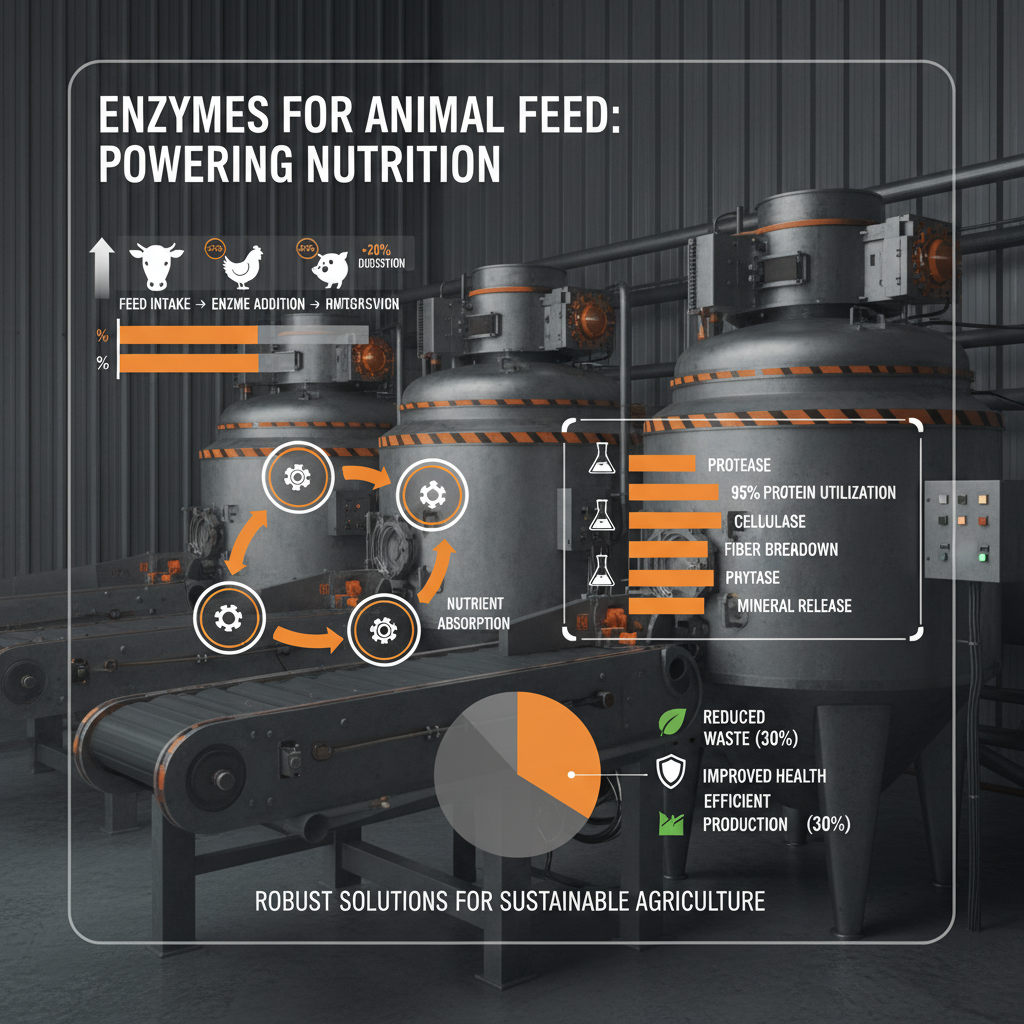
In conclusion, incorporating enzymes into animal feed is a powerful strategy for improving nutrient utilization, enhancing animal performance, and promoting overall health. By understanding the different types of enzymes, their specific functions, and optimal application rates, producers can unlock the full potential of their feed and maximize profitability. Dyeingchem offers a comprehensive range of high-quality feed enzymes tailored to meet the diverse needs of the animal nutrition industry.
Frequently Asked Questions (FAQs)
What is the best way to store feed enzymes?
Feed enzymes should be stored in a cool, dry, and well-ventilated area, away from direct sunlight, heat, and moisture. Ideally, they should be kept in their original, sealed containers to prevent degradation. Avoid storing them near chemicals or strong odors, as this can compromise their activity. Maintaining proper storage conditions is crucial for preserving the enzyme’s potency and ensuring optimal performance when added to feed. Always refer to the manufacturer's specific storage recommendations provided on the product label.
Can enzymes be used in all types of animal feed?
While enzymes can benefit a wide range of animal feeds, their effectiveness varies depending on the feed composition. They are particularly beneficial in diets containing high levels of non-starch polysaccharides (NSPs) found in grains like wheat, barley, and rye. Enzymes are also effective in improving the digestibility of protein and fat in various feedstuffs. However, the specific enzyme blend required will depend on the diet’s composition and the animal species. Consulting with a nutritionist can help determine the optimal enzyme combination for your specific feed formulation.
How do I know if my animals are responding to enzyme supplementation?
Signs of a positive response to enzyme supplementation include improved feed conversion ratio (FCR), increased weight gain, reduced fecal excretion, and better overall animal health. Monitoring these parameters can help assess the effectiveness of enzyme supplementation. Other indicators may include improved feathering in poultry or reduced gut viscosity in swine. Regular performance monitoring and analysis are crucial for evaluating the impact of enzymes on animal productivity.
Are enzymes a replacement for good quality feed ingredients?
No, enzymes are not a replacement for high-quality feed ingredients. They are a supplementary tool to enhance the utilization of nutrients already present in the feed. While enzymes can improve digestibility and unlock nutrients, they cannot compensate for deficiencies in essential amino acids, vitamins, or minerals. A balanced diet based on quality ingredients remains the foundation of optimal animal nutrition, and enzymes should be used to further optimize the feed's performance.