The Critical Role of Wetting Agent in Dyeing for Optimal Textile Quality
The Critical Role of Wetting Agent in Dyeing for Optimal Textile Quality
Understanding the Role of a Wetting Agent in Dyeing
The dyeing process, crucial in the textile industry, relies heavily on effective penetration of dye molecules into fibers. A wetting agent in dyeing plays a vital role in achieving uniform and vibrant coloration. This article will explore the science behind wetting agents, their types, benefits, and selection criteria, offering comprehensive insight for textile professionals. Choosing the right wetting agent optimizes dye uptake, reduces defects, and enhances the quality of finished textiles. We will delve into how dyeing chemicals impact the process.

What is a Wetting Agent and Why is it Important?
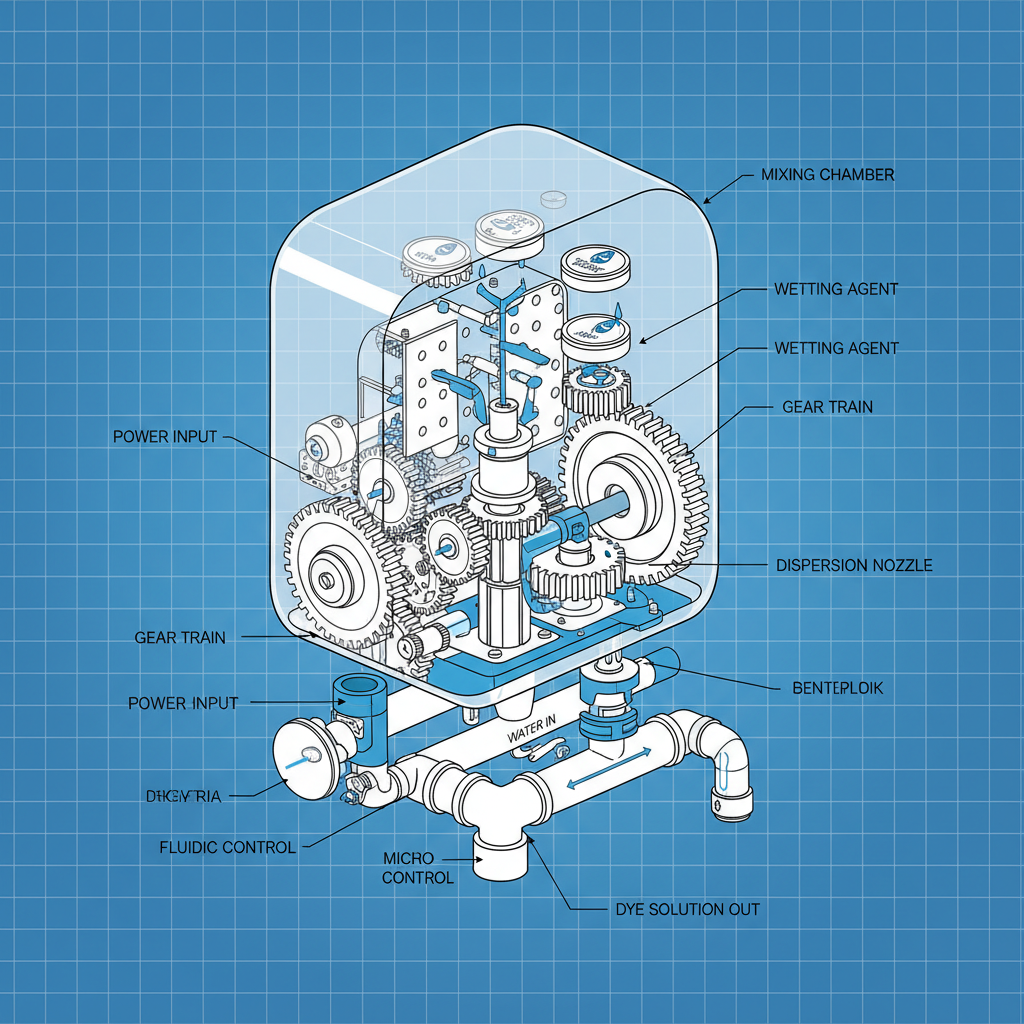
A wetting agent, also known as a surfactant, reduces the surface tension of a liquid, allowing it to spread more easily across a solid surface. In dyeing, this is critical because many textile fibers are naturally hydrophobic – meaning they resist being wetted by water-based dye solutions. Without a wetting agent, the dye may bead up on the fiber surface instead of penetrating it, leading to uneven coloration and poor dye exhaustion. Effective wetting ensures the dye solution rapidly and uniformly covers the fabric, maximizing dye absorption and resulting in consistent color throughout the material. Dyeing chemicals like wetting agents are indispensable for quality results.
Key Benefit: Improved dye penetration leads to brighter, more even, and longer-lasting colors in textiles.
Types of Wetting Agents Used in Dyeing
Numerous types of wetting agents are available, each with specific properties suitable for different fiber types and dyeing processes. Common categories include:
- Non-ionic wetting agents: These are pH-insensitive and generally compatible with most dye classes. They work by reducing surface tension without contributing ions to the solution.
- Anionic wetting agents: Effective for cellulose fibers like cotton and rayon, providing excellent wetting and dispersing properties.
- Cationic wetting agents: Primarily used for acrylic fibers, offering good leveling and penetration.
- Amphoteric wetting agents: Possess both anionic and cationic properties, offering versatility and compatibility with various fibers and dyes.
The choice of wetting agent depends on factors like the fiber composition, dye type, water hardness, and desired dyeing results.
Wetting Agent Selection Considerations:
• Fiber type (cotton, polyester, nylon, etc.)
• Dye class (reactive, direct, disperse, etc.)
• Water quality (hardness, pH)
• Dyeing process (exhaust, continuous)
The Impact of Wetting Agents on Dyeing Efficiency
Using a suitable wetting agent in dyeing significantly improves dyeing efficiency in several ways. It reduces the time required for the dye liquor to fully wet out the fabric, leading to faster dye uptake. This faster uptake translates to shorter dyeing cycles, increasing production capacity. Furthermore, improved wetting minimizes dye wastage as more dye is absorbed by the fiber instead of remaining in the dye bath. This efficiency gain contributes to cost savings and reduced environmental impact. Properly selected wetting agents also prevent the formation of dye aggregates, ensuring a uniform and level dyeing result.
Choosing the Right Wetting Agent from Dyeingchem
Dyeingchem offers a comprehensive range of high-quality wetting agents tailored to diverse dyeing applications. Our products are meticulously formulated to ensure optimal wetting, leveling, and dye exhaustion. We provide technical support to help you select the ideal wetting agent for your specific fiber type, dye class, and processing conditions. We also offer customized blending services to meet unique requirements. Browse our extensive catalog and contact our experts to find the perfect solution for your dyeing needs.
Conclusion: Maximizing Dyeing Performance with the Right Wetting Agent
The selection and application of a wetting agent in dyeing is crucial for achieving high-quality, consistent results. By understanding the different types of wetting agents and their properties, textile professionals can optimize their dyeing processes, reduce costs, and minimize environmental impact. Dyeingchem is committed to providing innovative and effective solutions to meet the evolving needs of the textile industry.
Frequently Asked Questions (FAQs)
What is the optimal dosage of wetting agent for cotton dyeing?
The optimal dosage of wetting agent for cotton dyeing typically ranges from 0.5% to 2% owf (on weight of fabric). However, the precise amount depends on factors like the cotton fiber's maturity, the dye type, water hardness, and the desired level of wetting. It's crucial to conduct trials with different dosages to determine the most effective concentration for your specific process. Overdosing can lead to foaming and reduced dye exhaustion, while underdosing may result in uneven dyeing. Consulting the wetting agent's technical data sheet and seeking guidance from a dyeing chemical supplier like Dyeingchem is recommended.
Can wetting agents be used in continuous dyeing processes?
Yes, wetting agents are frequently used in continuous dyeing processes. In these applications, they are applied to the fabric as a pre-treatment to ensure uniform wetting and dye absorption. It’s important to choose a wetting agent that is stable at the operating temperatures and pH levels of the continuous dyeing process. Furthermore, the wetting agent should exhibit low-foaming properties to avoid issues with foam buildup in the dyeing equipment.
How do I handle foaming caused by wetting agents?
Foaming can be a common issue when using wetting agents, especially in high-agitation processes. To minimize foaming, consider using a defoamer specifically designed for textile dyeing. Lowering the dosage of the wetting agent (while maintaining effective wetting) can also help. Ensure proper ventilation in the dyeing area. Selecting a low-foaming wetting agent is also a crucial preventative measure. Contact Dyeingchem’s technical support for recommendations on defoamers and low-foaming wetting agents.
Are wetting agents environmentally friendly?
Many modern wetting agents are designed with environmental considerations in mind. Dyeingchem offers a range of eco-friendly wetting agents that are biodegradable and free from harmful substances like APEOs (alkylphenol ethoxylates). Choosing these sustainable options helps reduce the environmental footprint of the dyeing process and comply with stringent regulations.