Understanding Wetting Agents in Textile Examples and Their Diverse Applications
Understanding Wetting Agents in Textile Examples and Their Diverse Applications
Wetting Agents in Textile Examples
The textile industry relies heavily on efficient processing to achieve desired fabric qualities. A crucial, yet often overlooked, component of this process is the use of wetting agents. These substances dramatically improve the ability of liquids to spread across and penetrate textile fibers, leading to more effective dyeing, finishing, and cleaning. This article will delve into the world of wetting agents in textiles, exploring their function, types, specific examples, and the benefits they provide. Understanding these agents is vital for optimizing textile manufacturing processes and achieving high-quality results.
Understanding the Role of Wetting Agents
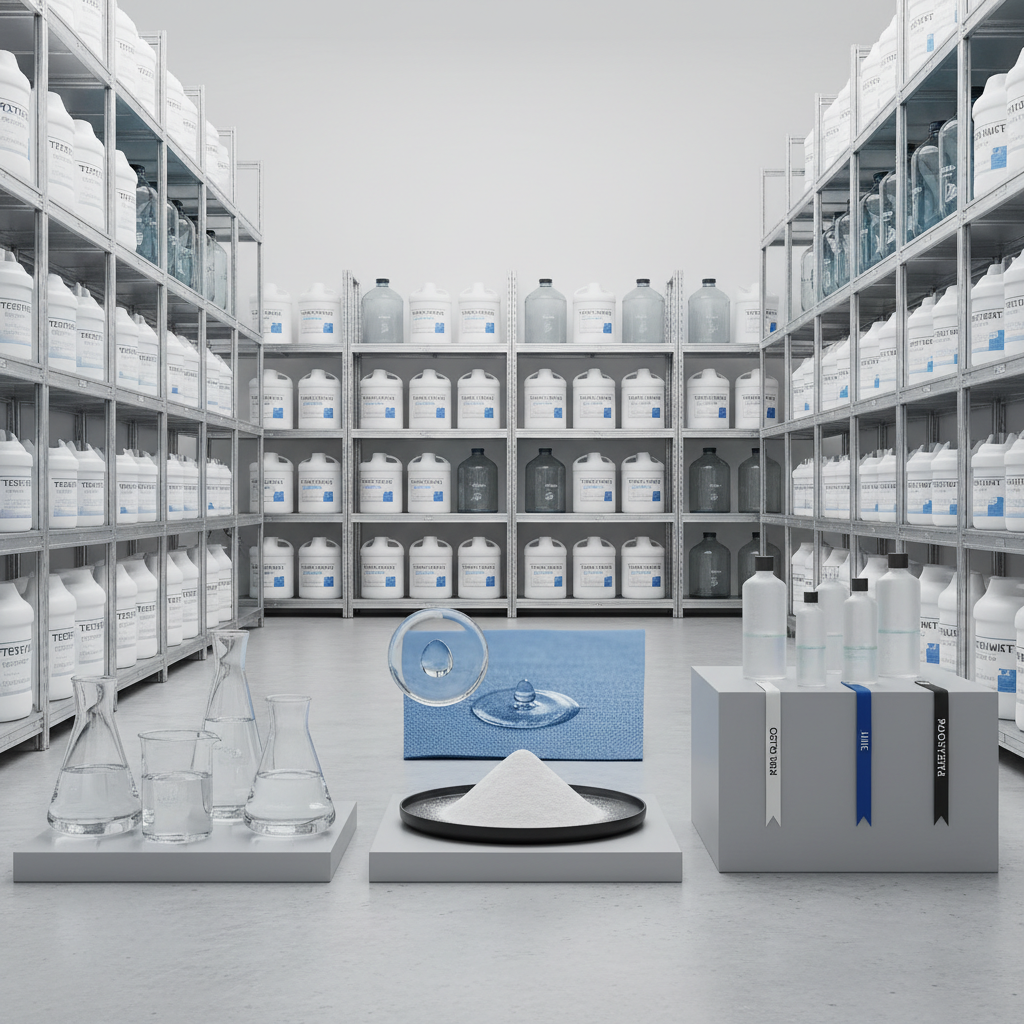
Textile fibers, especially synthetic ones, often possess hydrophobic (water-repelling) properties. This means water, and consequently dyes and finishing chemicals, tend to bead up on the surface rather than penetrating the fibers. Wetting agents lower the surface tension of the liquid, allowing it to spread more easily and quickly saturate the textile material. This improved wetting is essential for uniform dye uptake, consistent finish application, and effective removal of impurities during scouring and cleaning. Without adequate wetting, processing times increase, chemical usage rises, and the final product quality suffers. These agents allow for superior results, making them indispensable in modern textile production.
Key Benefit: Enhanced liquid penetration, leading to faster processing, reduced chemical consumption, and improved fabric quality.
Types of Wetting Agents Used in Textiles
Wetting agents are categorized based on their chemical structure and ionic charge. The most common types include:
- Anionic Wetting Agents: These are negatively charged and very effective at reducing surface tension, often used in scouring and dyeing.
- Nonionic Wetting Agents: These are uncharged and offer excellent compatibility with a wide range of chemicals. They're favored for processes sensitive to ionic interference.
- Cationic Wetting Agents: These are positively charged and used less frequently due to potential incompatibility with anionic dyes.
- Amphoteric Wetting Agents: Possessing both positive and negative charges, they offer versatility and good compatibility but are generally more expensive.
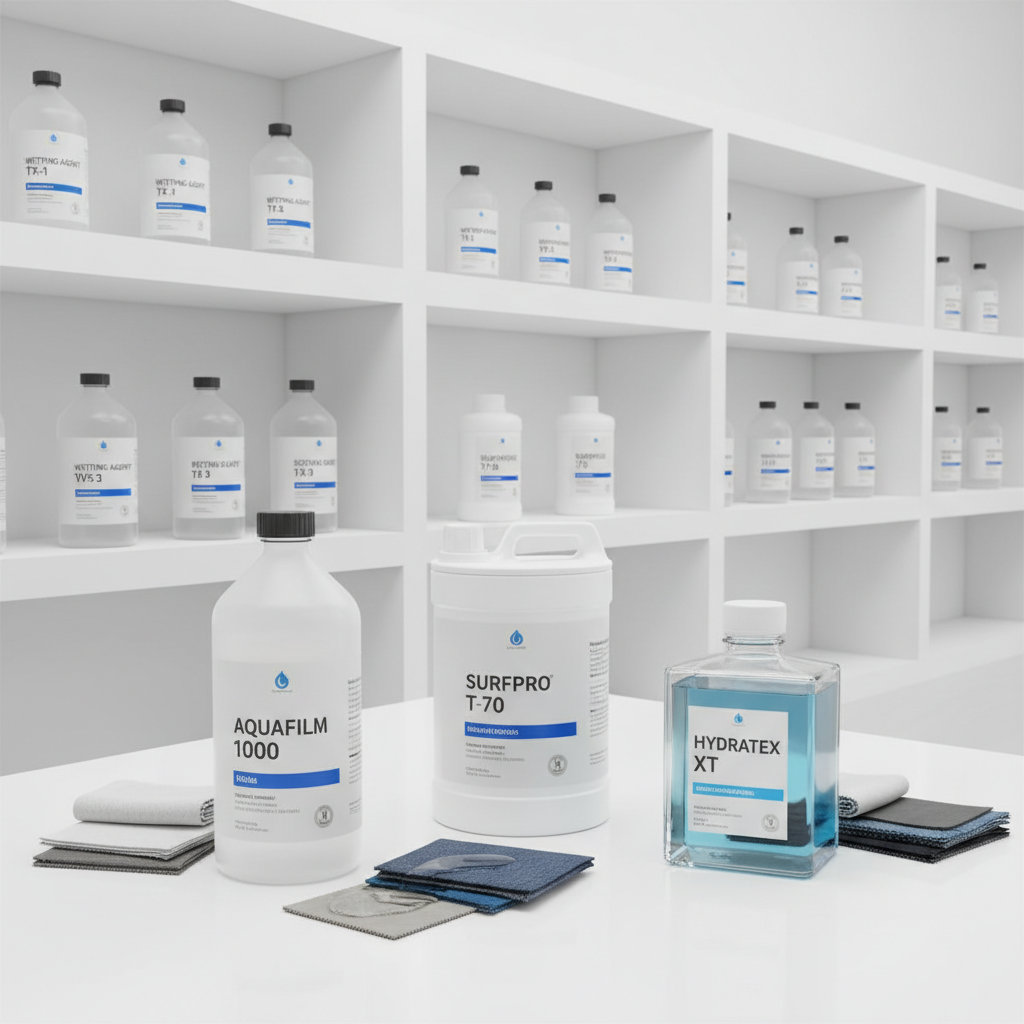
The choice of wetting agent depends on the specific textile fiber, the processing stage, and the chemicals being used. Dyeingchem offers a comprehensive range of wetting agents tailored to various textile applications.
Wetting Agents in Textile Examples: Specific Applications
Here's a breakdown of how wetting agents are used in different stages of textile processing:
- Scouring: Removes waxes, oils, and impurities from raw fibers. Wetting agents facilitate the penetration of scouring liquors.
- Dyeing: Ensures uniform dye absorption, resulting in level shades and improved color fastness.
- Printing: Allows for sharp, well-defined print patterns by promoting even dye distribution.
- Finishing: Enables consistent application of finishes like softeners, water repellents, and flame retardants.
- Washing: Improves the removal of dirt and stains from finished fabrics.
Comparing Common Wetting Agent Chemistries
Different chemistries offer varying performance characteristics. Here's a comparison:
Selecting the Right Wetting Agent: Key Considerations
Choosing the optimal wetting agent requires careful consideration of several factors: the fiber type (cotton, polyester, nylon, etc.), the specific process (dyeing, finishing, scouring), the pH of the processing bath, and the compatibility with other chemicals used. It is also crucial to consider environmental regulations and select eco-friendly options whenever possible. Dyeingchem provides expert guidance and a diverse product portfolio to meet these varying needs.
Conclusion
Wetting agents are essential components in the textile industry, enabling efficient and high-quality processing. Understanding the different types of agents, their applications, and the key considerations for selection is crucial for achieving optimal results. By choosing the right wetting agent and utilizing it effectively, textile manufacturers can improve productivity, reduce costs, and enhance the performance of their products. Dyeingchem stands as a reliable partner, offering innovative and effective wetting agent solutions for all your textile processing needs.
Frequently Asked Questions (FAQs)
What is the typical concentration of wetting agent used in textile dyeing?
The optimal concentration of wetting agent in textile dyeing varies depending on the fiber type, dye class, and specific process conditions. However, a typical range is between 0.1% to 1.0% owf (on weight of fabric). It is important to follow the manufacturer's recommendations for the specific wetting agent being used. Overuse can lead to excessive foaming and potential dye leveling issues, while underuse may result in insufficient wetting and uneven dye uptake. Careful monitoring and adjustment are crucial for achieving consistent dyeing results.
Are there eco-friendly wetting agent options available?
Yes, a growing number of eco-friendly wetting agents are available, often based on renewable resources and readily biodegradable chemistries. These include options derived from vegetable oils, sugars, and other sustainable sources. These agents minimize environmental impact while still providing excellent wetting performance. Dyeingchem is committed to offering a range of sustainable textile chemicals, including eco-friendly wetting agents, to help manufacturers reduce their environmental footprint.
How do I determine if my textile process requires a wetting agent?
A simple test to assess the need for a wetting agent is the "water repellency test." Sprinkle a few drops of water onto the textile fabric. If the water beads up and rolls off rather than being absorbed, it indicates the fabric is hydrophobic and would benefit from the addition of a wetting agent. Other signs include uneven dye uptake during dyeing, poor finish application, and difficulty removing impurities during scouring. Observing these indicators will help determine whether a wetting agent is necessary for optimizing your textile process.