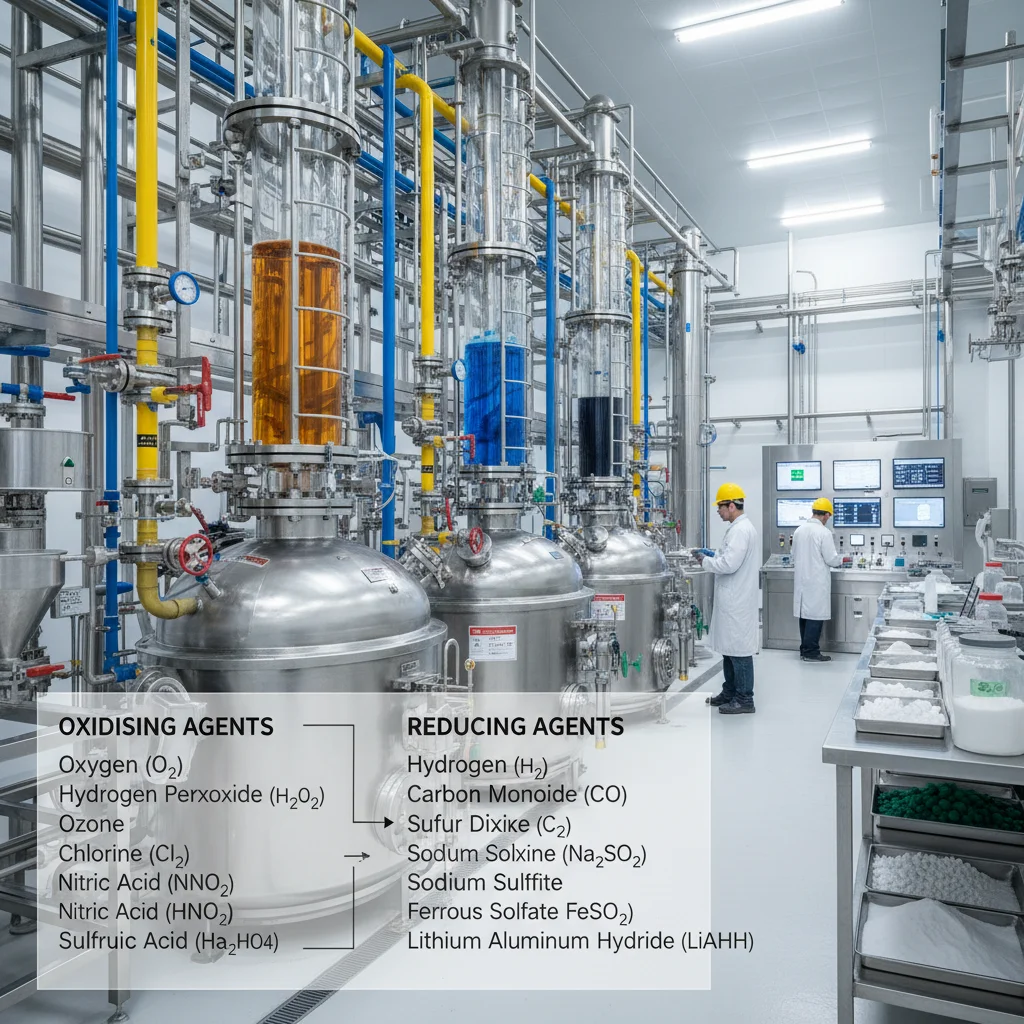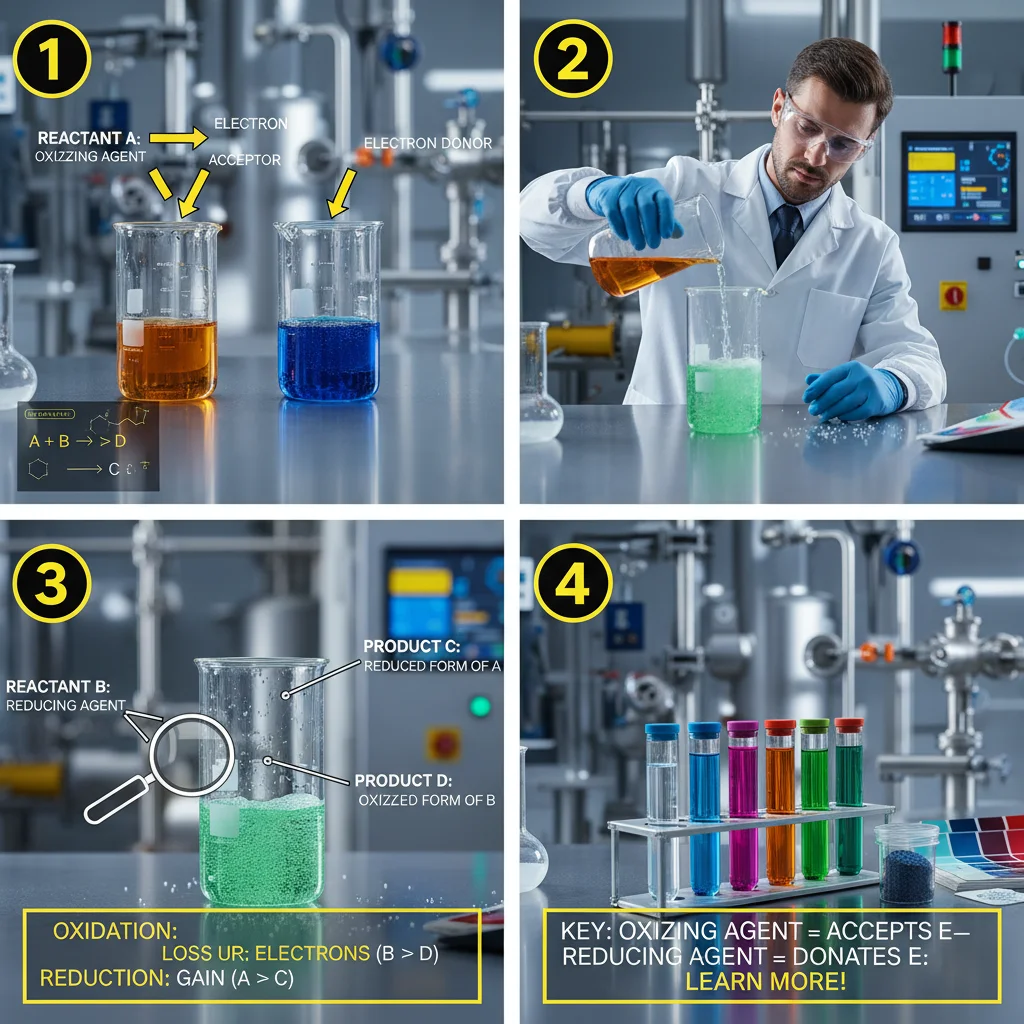
The global landscape is increasingly focused on sustainable practices, and within this, the efficient use and potential reduction of chemicals plays a pivotal role. Reducing chemicals isn’t merely an environmental concern; it’s a fundamental element of economic viability, public health, and responsible industrial development. The implications extend from minimizing pollution and resource depletion to improving worker safety and fostering a circular economy. Understanding how to effectively approach reducing chemicals is, therefore, critical for businesses, governments, and individuals alike.
The demand for strategies centered around reducing chemicals arises from a confluence of factors, including stricter environmental regulations, rising costs of raw materials, and heightened consumer awareness. Industries reliant on chemical processes – textiles, manufacturing, agriculture – are under pressure to innovate and adopt cleaner technologies. Furthermore, humanitarian efforts, particularly in disaster relief and developing regions, increasingly prioritize solutions that minimize environmental impact and maximize resource efficiency.
Ultimately, successful implementation of approaches for reducing chemicals leads to demonstrable benefits: lower operational costs, reduced environmental liabilities, improved brand reputation, and enhanced stakeholder trust. The ability to navigate this complex terrain effectively will be a defining characteristic of leading organizations in the years to come, driving both profitability and positive societal impact.
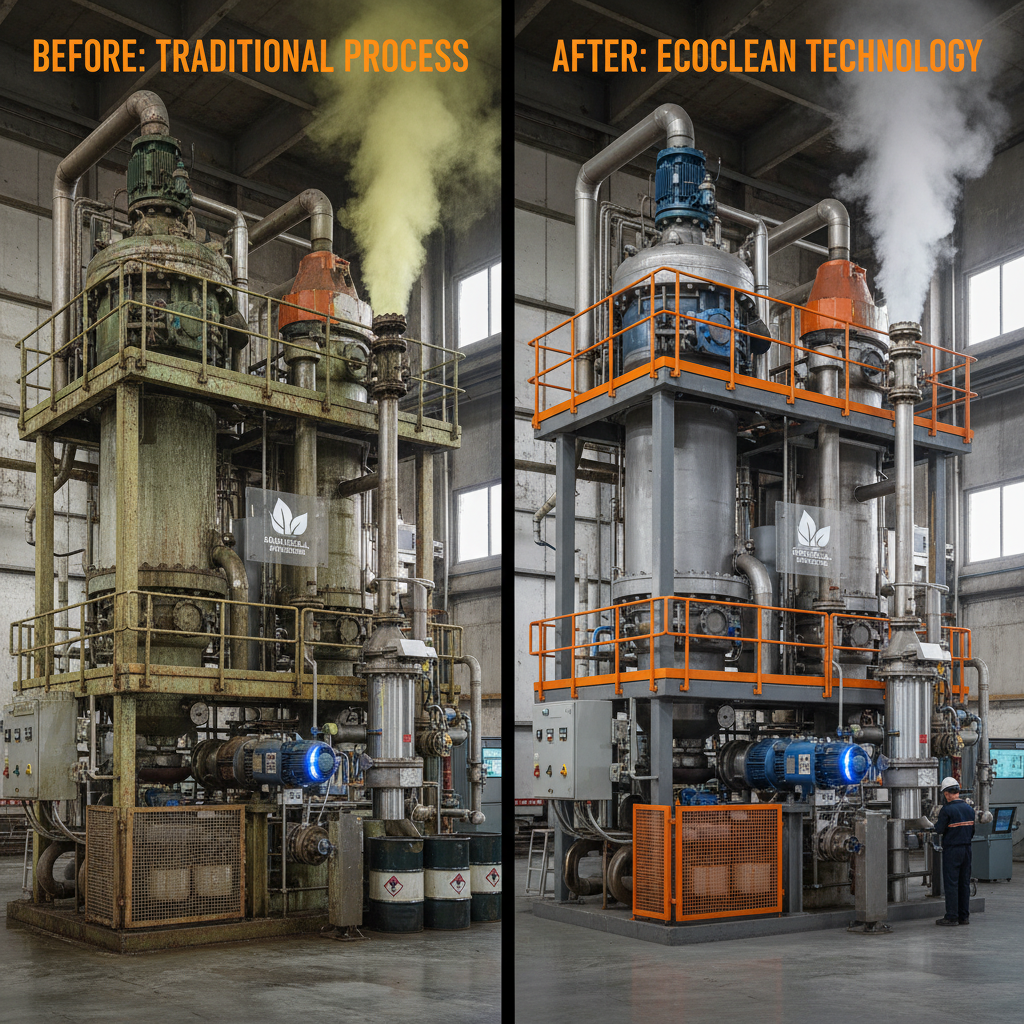
Introduction: Global or Industry Context
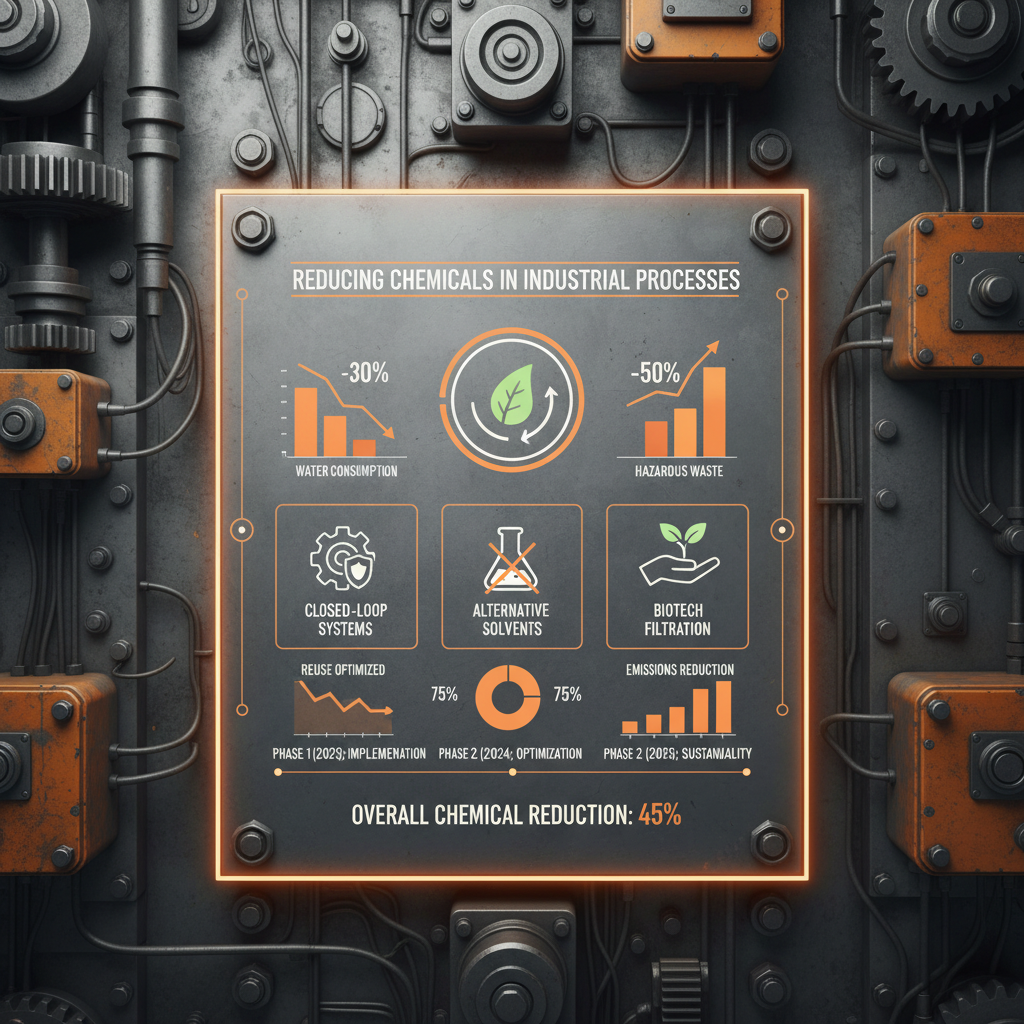
The imperative to reduce chemicals is underpinned by globally recognized concerns regarding environmental sustainability and public health. The United Nations Sustainable Development Goals (SDGs), particularly SDG 6 (Clean Water and Sanitation) and SDG 12 (Responsible Consumption and Production), directly address the need for minimizing hazardous substances and promoting efficient resource use. Globally, industrial discharge remains a significant source of water pollution, impacting ecosystems and human populations. reducing chemicals is crucial for addressing these challenges.
The World Bank estimates that pollution, including chemical contamination, causes trillions of dollars in economic losses annually, impacting industries like agriculture, tourism, and fisheries. Moreover, increasing regulations, such as REACH (Registration, Evaluation, Authorisation and Restriction of Chemicals) in Europe, are driving industries to actively seek alternatives to hazardous substances. The ISO 14001 standard further encourages organizations to implement environmental management systems focused on minimizing their environmental footprint.
A key challenge is the continued reliance on traditional chemical processes in many industries, often due to cost considerations or lack of awareness regarding viable alternatives. Addressing this requires a multi-faceted approach involving technological innovation, policy incentives, and increased investment in research and development geared towards reducing chemicals and promoting greener chemistry practices.
FAQS
Reducing chemicals in manufacturing processes translates into significant economic advantages. Lowering raw material costs through efficient utilization and substitution of hazardous substances directly impacts profitability. Additionally, minimizing waste generation reduces disposal expenses and potentially unlocks revenue streams through material recovery and recycling. Enhanced process efficiency further contributes to cost savings, while proactive environmental management mitigates potential liabilities associated with pollution and regulatory non-compliance.
SMEs often face budgetary constraints when considering investments in sustainability. However, several avenues can facilitate affordability. Government grants and tax incentives specifically designed for environmental initiatives can provide financial assistance. Phased implementation, starting with low-cost measures like process optimization and waste reduction, can minimize upfront expenses. Collaboration with industry associations and access to shared resources can also lower costs. Finally, highlighting the long-term cost savings and improved brand reputation associated with reducing chemicals can justify the investment.
Green chemistry is foundational to reducing chemicals. It focuses on designing chemical products and processes that minimize or eliminate the use and generation of hazardous substances. This involves utilizing renewable feedstocks, developing catalytic processes that require less energy and generate less waste, and creating safer chemical alternatives. Green chemistry principles promote a preventative approach, aiming to address environmental concerns at the source rather than relying on end-of-pipe solutions. It’s a vital pathway towards truly sustainable chemical practices.
REACH (Registration, Evaluation, Authorisation and Restriction of Chemicals) is a European Union regulation that significantly impacts the chemical industry. It requires companies to register chemicals manufactured or imported into the EU, providing comprehensive data on their properties and potential hazards. REACH promotes the substitution of hazardous substances with safer alternatives and restricts the use of certain chemicals deemed to pose unacceptable risks. By setting stringent standards and requiring thorough risk assessments, REACH actively incentivizes the reduction of chemicals and fosters innovation in greener chemistry.
Several obstacles hinder the full implementation of circular economy principles in chemical use. Complex supply chains often lack transparency, making it difficult to track materials and ensure their responsible recovery. The presence of hazardous substances in waste streams can pose challenges for recycling and repurposing. A lack of standardized infrastructure for collecting and processing chemical waste is another hurdle. Furthermore, economic incentives often favor linear “take-make-dispose” models over circular approaches. Overcoming these challenges requires collaboration, innovation, and policy support.
Accurately measuring and reporting progress in reducing chemicals is crucial for demonstrating commitment and tracking improvements. Life Cycle Assessments (LCAs) provide a comprehensive evaluation of the environmental impacts of a product or process, including chemical usage. Key Performance Indicators (KPIs) focused on chemical consumption, waste generation, and emissions can be established and monitored. Utilizing standardized reporting frameworks, such as the Global Reporting Initiative (GRI), ensures transparency and comparability. Regular audits and independent verification can further enhance credibility.
Conclusion
In conclusion, reducing chemicals is not merely an environmental imperative but a strategic necessity for businesses, governments, and society as a whole. From enhancing economic efficiency and bolstering brand reputation to safeguarding public health and fostering a more sustainable future, the benefits are undeniable. The core tenets – substitution, optimization, waste minimization, innovation, and regulatory compliance – provide a robust framework for implementing effective strategies.
Looking ahead, continued investment in green chemistry, digital technologies, and circular economy models will be crucial for accelerating the transition towards a more responsible and sustainable chemical industry. By embracing these trends and fostering collaboration across all stakeholders, we can unlock the full potential of reducing chemicals and create a world where innovation and environmental stewardship go hand in hand. Visit our website at www.dyeingchem.com to learn more about our solutions for responsible chemical management.
Related Posts