Industrial Application of strong reducing agents organic chemistry
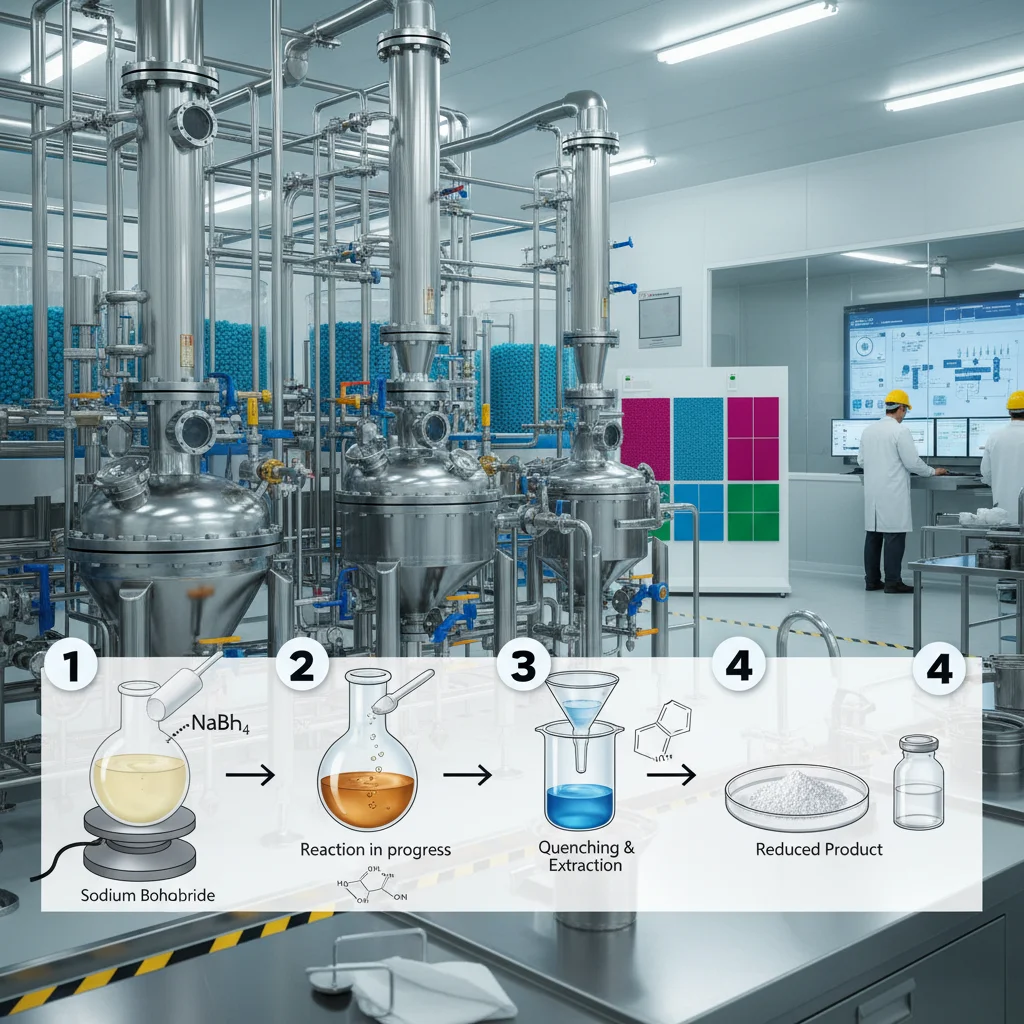
In the complex landscape of chemical synthesis, the use of strong reducing agents organic chemistry plays a pivotal role in transforming functional groups and facilitating the creation of intricate molecular architectures. These powerful reagents are essential for converting carbonyls to alcohols, nitriles to amines, and esters to primary alcohols, providing the necessary thermodynamic drive to overcome significant energy barriers in organic reactions. Globally, the demand for precision in chemical manufacturing—particularly in the production of pharmaceuticals, high-performance polymers, and textile auxiliaries—has elevated the importance of understanding these reagents.
Read more »
 By:David Miller - April 22, 2026
Guide to reducing and oxidizing agents organic chemistry in Textiles
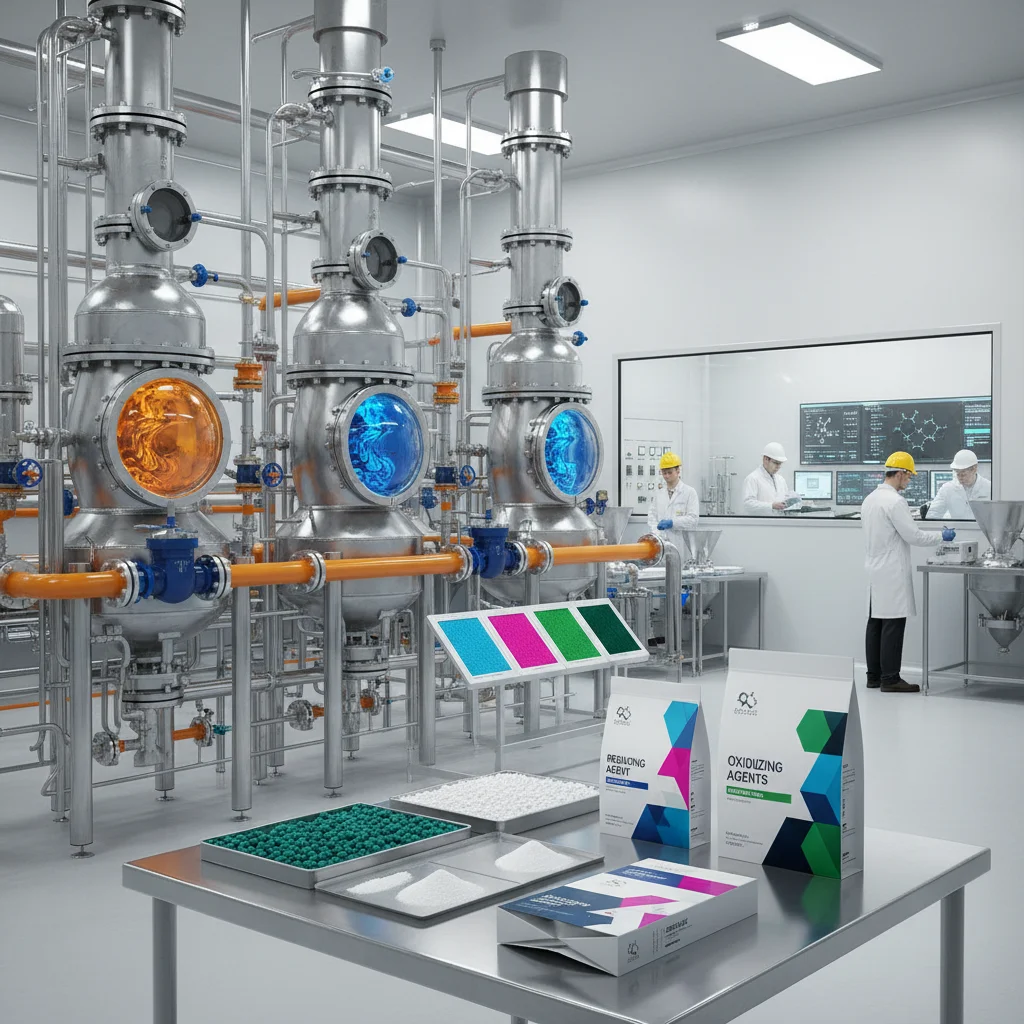
In the intricate world of textile chemistry, the mastery of reducing and oxidizing agents organic chemistry serves as the invisible backbone for high-quality fabric finishing and dyeing. From the precise bleaching of raw cotton to the complex reduction of vat dyes, these chemical reactions dictate the vibrance, durability, and feel of the textiles we use daily. Understanding these redox processes allows manufacturers to manipulate molecular structures, ensuring that colors bond permanently and impurities are removed without damaging the delicate organic fibers.
Read more »
 By:Robert Chen - April 17, 2026
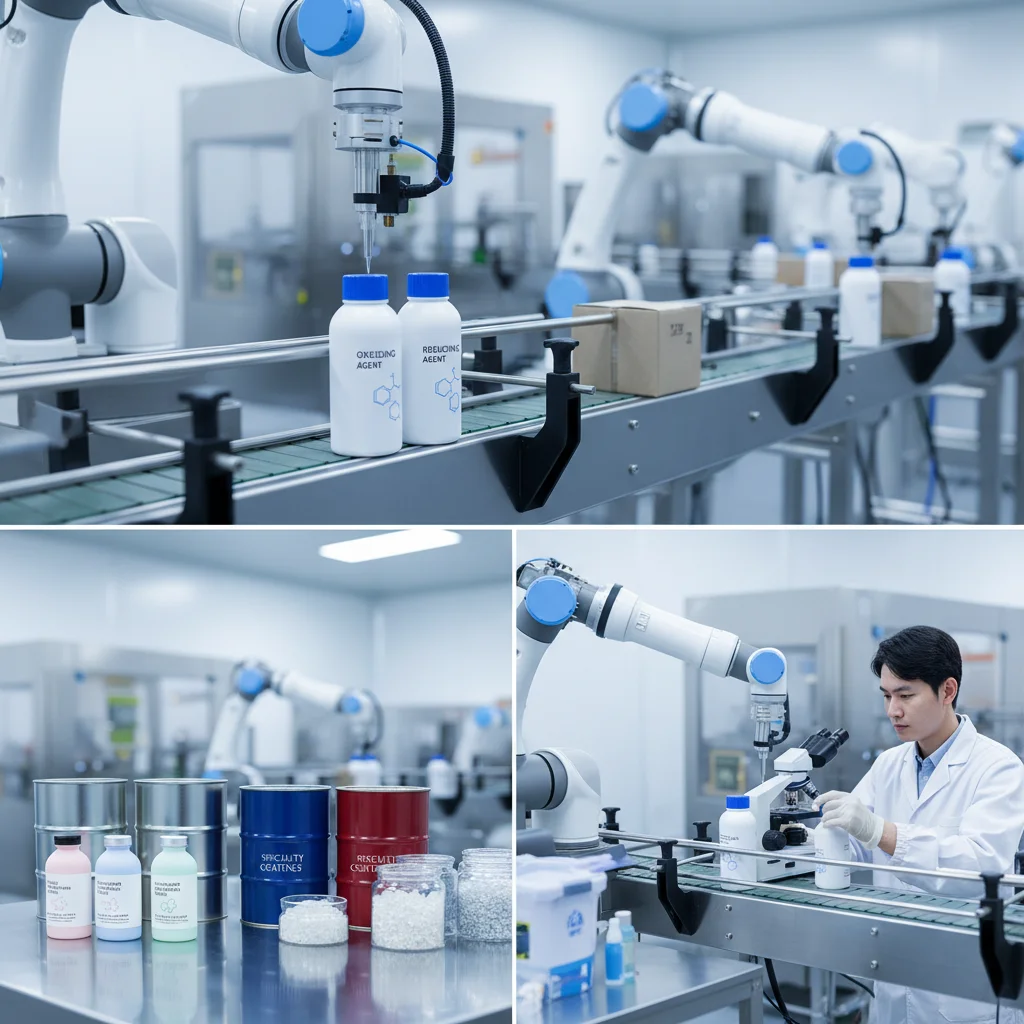
Optimizing Textile Production with Effective find oxidizing and reducing agents Strategies
Oxidizing and reducing agents are fundamental to a vast array of chemical processes, particularly crucial within the textile industry. These agents facilitate vital transformations in dyeing, printing, and finishing, ultimately dictating the quality, colorfastness, and overall performance of textile materials. Understanding and effectively utilizing find oxidizing and reducing agents is paramount for optimizing production efficiency, minimizing environmental impact, and achieving desired product characteristics.
Read more »
 By:Michael Thompson - April 8, 2026

Optimizing Textile Processes by Finding Oxidation and Reduction Agents for Enhanced Quality
The efficient management of chemical processes within the textile industry, particularly concerning coloration and finishing, heavily relies on a thorough understanding of oxidation and reduction reactions. Finding oxidation and reduction agents isn't merely a chemical pursuit; it's a foundational element impacting product quality, environmental sustainability, and cost-effectiveness across the supply chain. This knowledge is crucial for achieving desired color fastness, enhancing fabric performance, and minimizing harmful byproducts. Globally, the demand for specialized chemical auxiliaries for textiles is experiencing consistent growth, driven by expanding textile production in Asia-Pacific, increasing consumer demand for innovative fabric treatments, and stricter environmental regulations.
Read more »
By:Michael Thompson - April 6, 2026
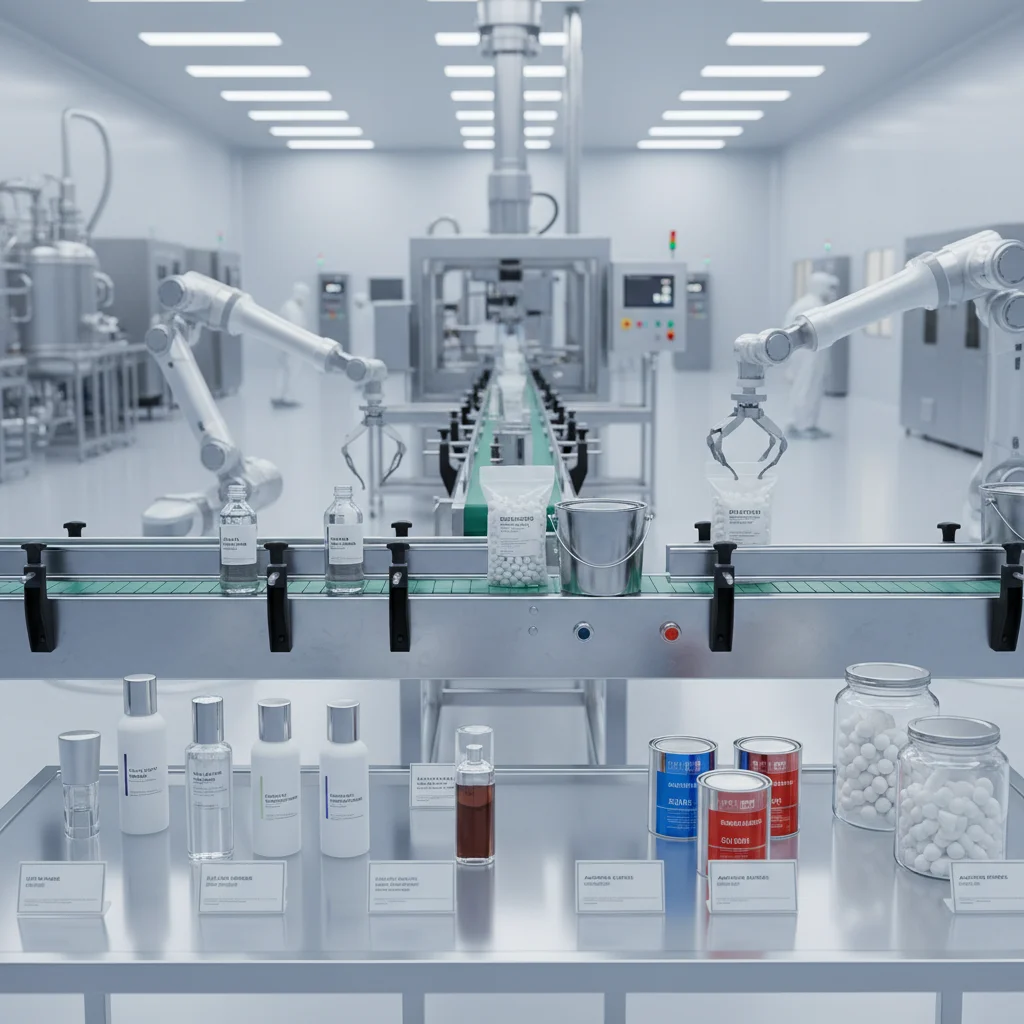
Understanding and Applying a List of Strong Reducing Agents for Industrial Solutions
Let’s talk about strong reducing agents. You don’t just learn about these things in a lab; you get to know them on the job, wrestling with corrosion, trying to get a reaction to go exactly as planned. I’ve spent years watching pipelines fail prematurely, concrete crack, and materials degrade faster than they should. And a lot of that comes down to understanding—and properly applying—reducing agents. It’s not just chemistry; it’s about preventing massive headaches, safety issues, and serious financial losses on a project.
Read more »
 By:Daniel Garcia - April 3, 2026
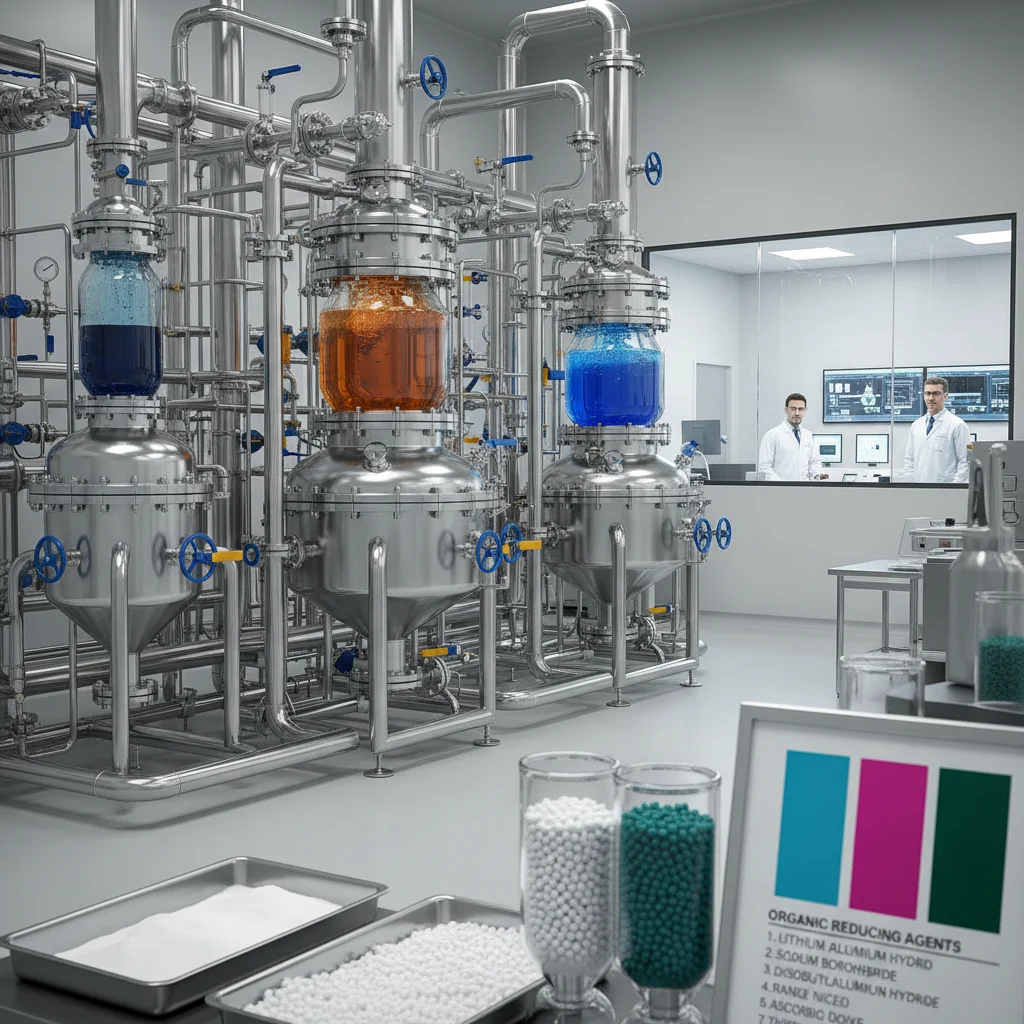
Understanding the Crucial Role of List of Reducing Agents in Organic Chemistry
The study of list of reducing agents in organic chemistry is fundamental to numerous industrial processes, particularly within the textile industry where color modification and fabric treatment are paramount. Understanding these agents allows for precise control over dyeing, printing, and finishing processes, impacting product quality, cost-effectiveness, and environmental sustainability. This knowledge is increasingly crucial as global demand for textiles and specialized chemical applications continues to rise.
Read more »
By:Daniel Garcia - March 30, 2026
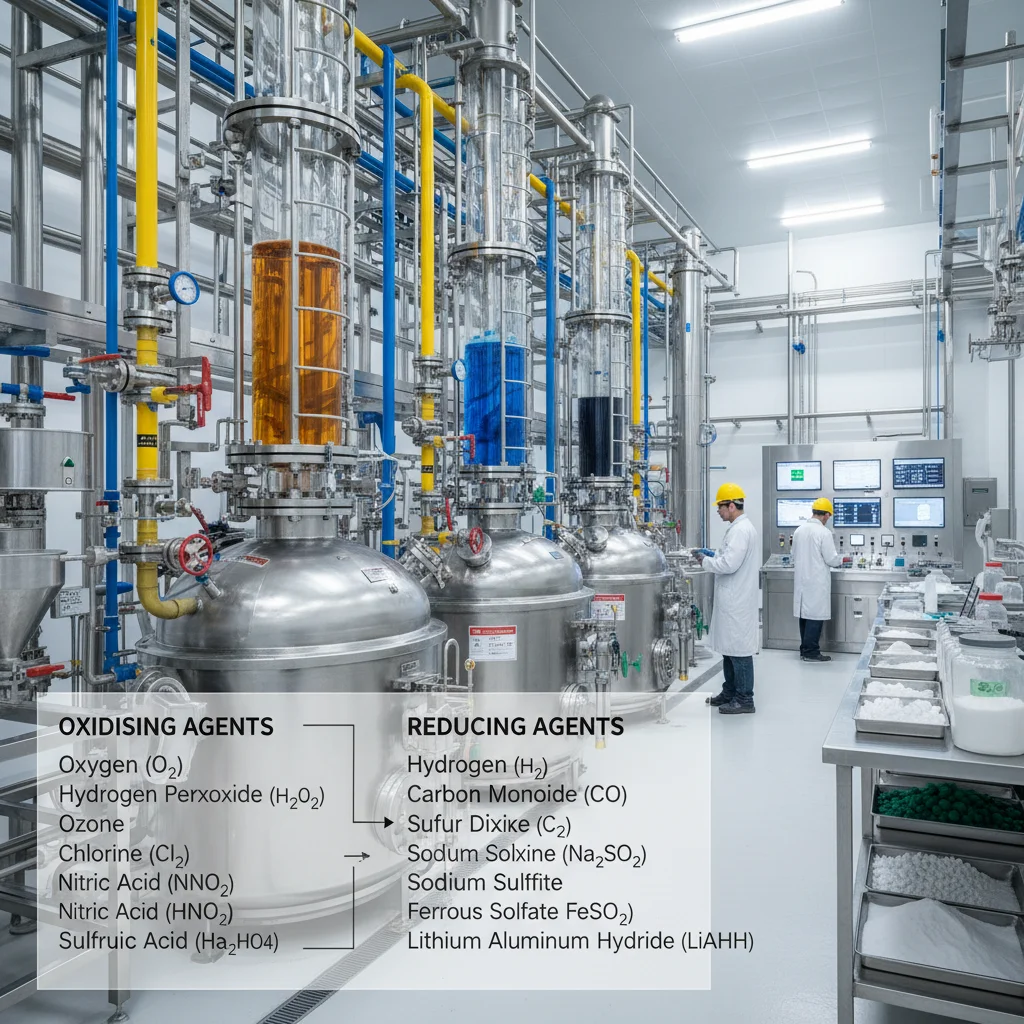
Optimizing Textile Production with an Effective list of oxidising and reducing agents
Oxidising and reducing agents are fundamental to a vast array of chemical processes, particularly within the textile industry. These agents facilitate essential transformations in dyeing, printing, and finishing, directly impacting the quality, durability, and aesthetic appeal of textile products. Understanding the nuances of these agents – their mechanisms, applications, and safety considerations – is crucial for optimizing textile production and meeting increasingly stringent environmental standards.
Read more »
By:Michael Thompson - March 27, 2026
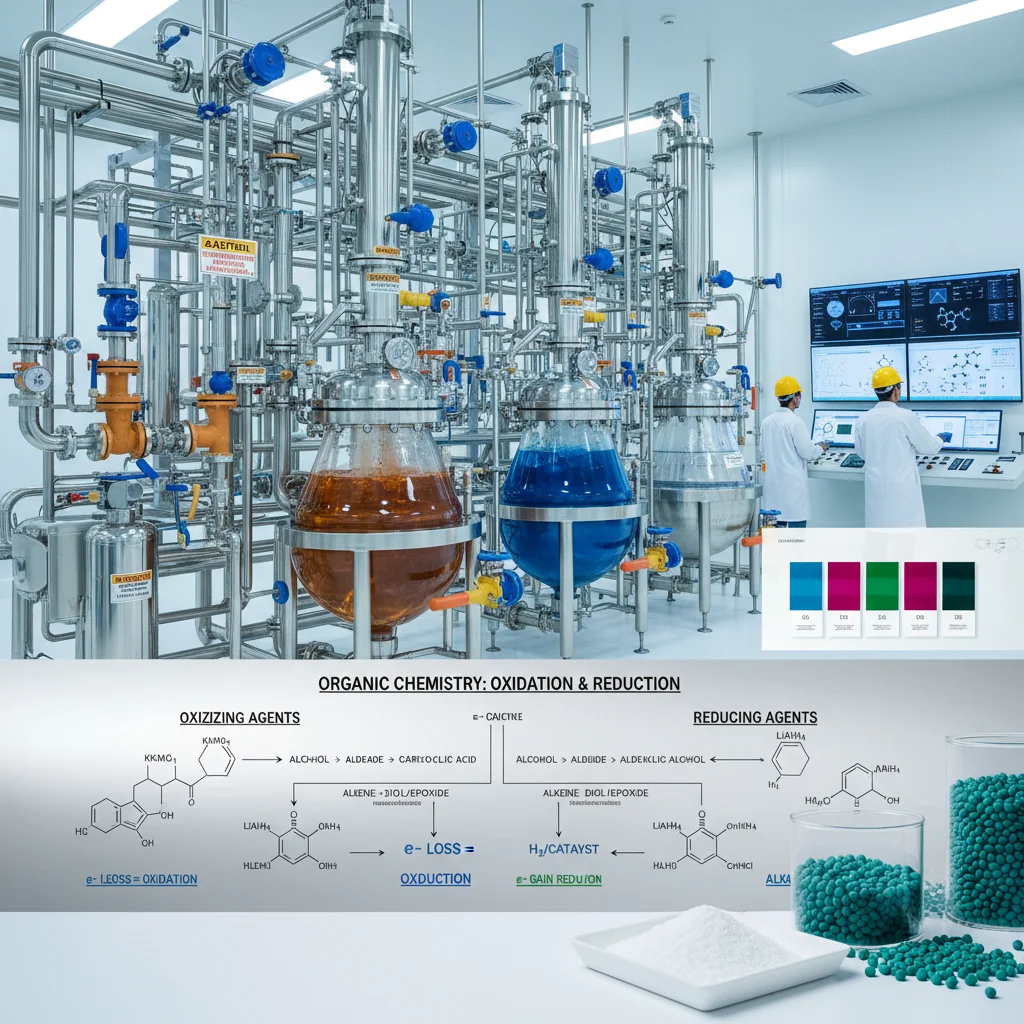
Exploring the Crucial Role of Oxidizing and Reducing Agents in Organic Chemistry
Oxidizing and reducing agents are the workhorses of organic chemistry, fundamental to everything from synthesizing life-saving pharmaceuticals to creating the plastics that shape our modern world. It's not just about lab coats and beakers; understanding these agents impacts industries globally, influencing production costs, reaction efficiency, and even environmental sustainability. In a world increasingly focused on green chemistry and efficient manufacturing processes, mastery of oxidizing and reducing principles is no longer a niche skill—it’s a necessity. These concepts underpin countless industrial processes and are critical for innovation in fields ranging from materials science to energy storage. Consider the petrochemical industry, where oxidation and reduction reactions are central to refining crude oil and producing essential fuels and chemicals. Or look at the pharmaceutical sector, where precise control of redox reactions is crucial for synthesizing complex drug molecules. Even in environmental remediation, oxidizing and reducing agents play a vital role in breaking down pollutants and cleaning up contaminated sites. According to the UN Environment Programme, sustainable chemical management, reliant on understanding these principles, is a key component of achieving the Sustainable Development Goals.
Read more »
By:David Miller - March 25, 2026
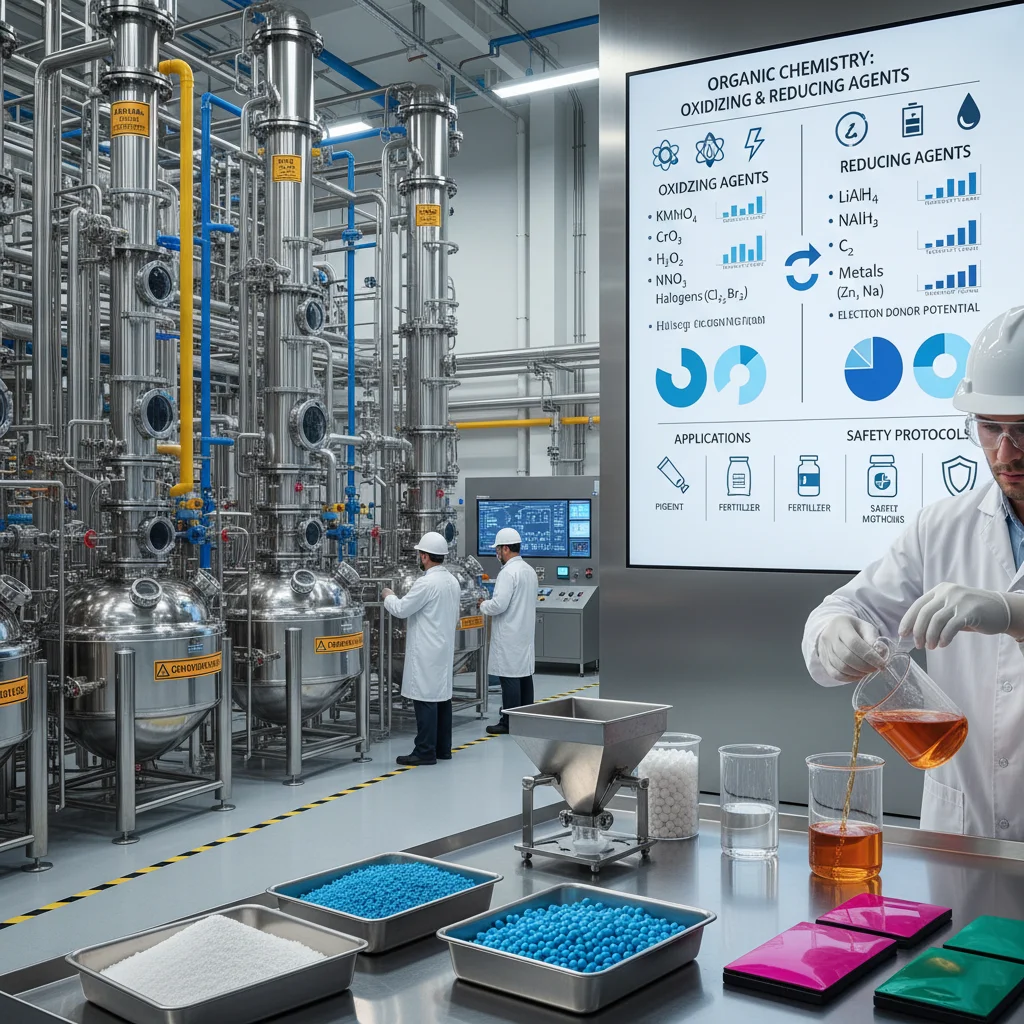
HighQuality Chemical Solutions
We specialize in the production and supply of high-quality chemical raw materials and intermediates for various industries, including pharmaceuticals, agrochemicals, and specialty chemicals. organic chemistry oxidizing and reducing agents are a core competency. We offer a wide range of complex chemical intermediates tailored to your specific synthesis needs. Dedicated custom synthesis services for specialized chemical compounds. We are your trusted partner for advanced chemical materials, delivering excellence in quality and innovation.
Read more »
 By:William Lee - March 23, 2026
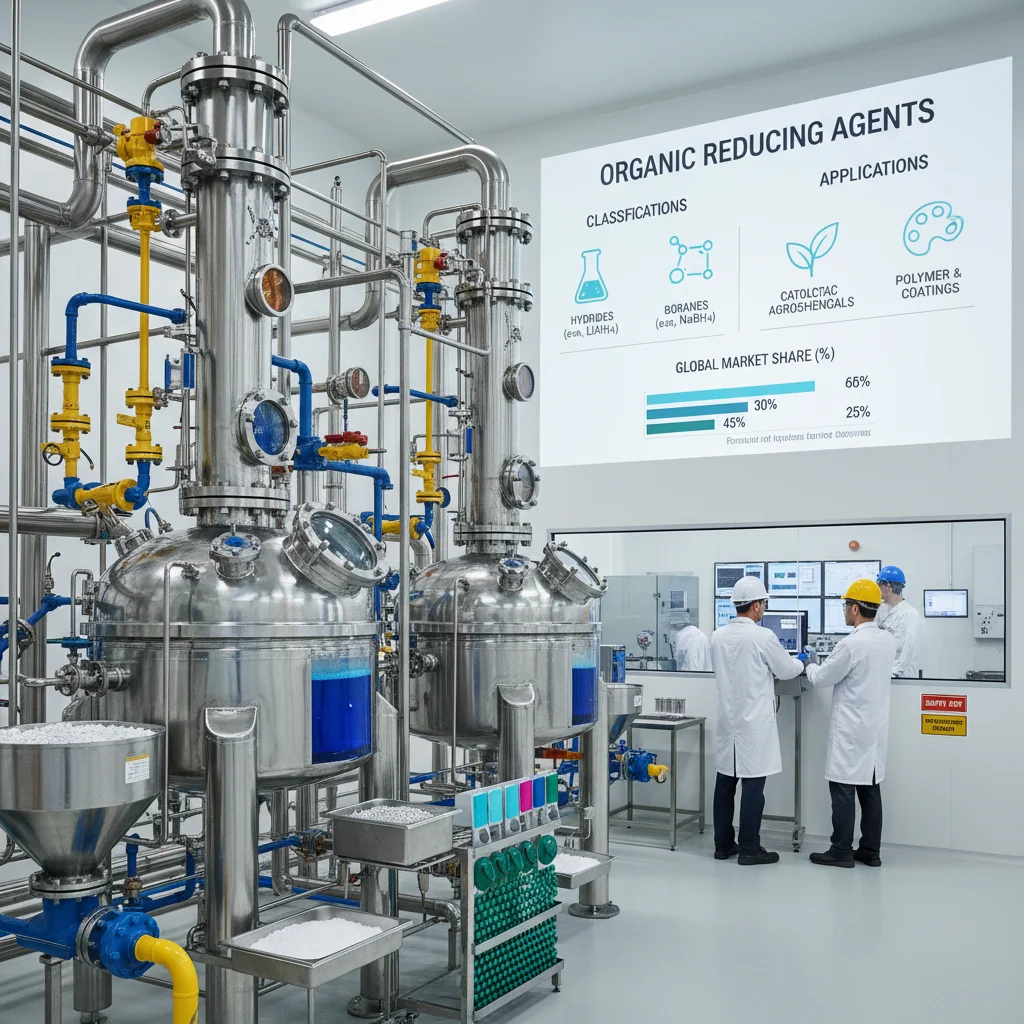
Leading Chemical Solutions for Advanced Industries Beyond
We specialize in the production and supply of high-quality organic chemistry reducing agents, serving diverse sectors with innovative and reliable solutions. As a key player in the chemical industry, we have established a strong reputation for delivering consistent quality and exceptional performance. Our reducing agents are essential for a wide range of reactions, including reductions of carbonyls, nitro groups, and alkenes, making us a trusted partner for research and industrial applications. Our technical expertise, combined with state-of-the-art manufacturing facilities, enables us to produce reducing agents with precisely controlled properties and purity levels. We are dedicated to continuous innovation and offer customized solutions to meet the unique requirements of our clients.
Read more »
By:Michael Thompson - March 20, 2026
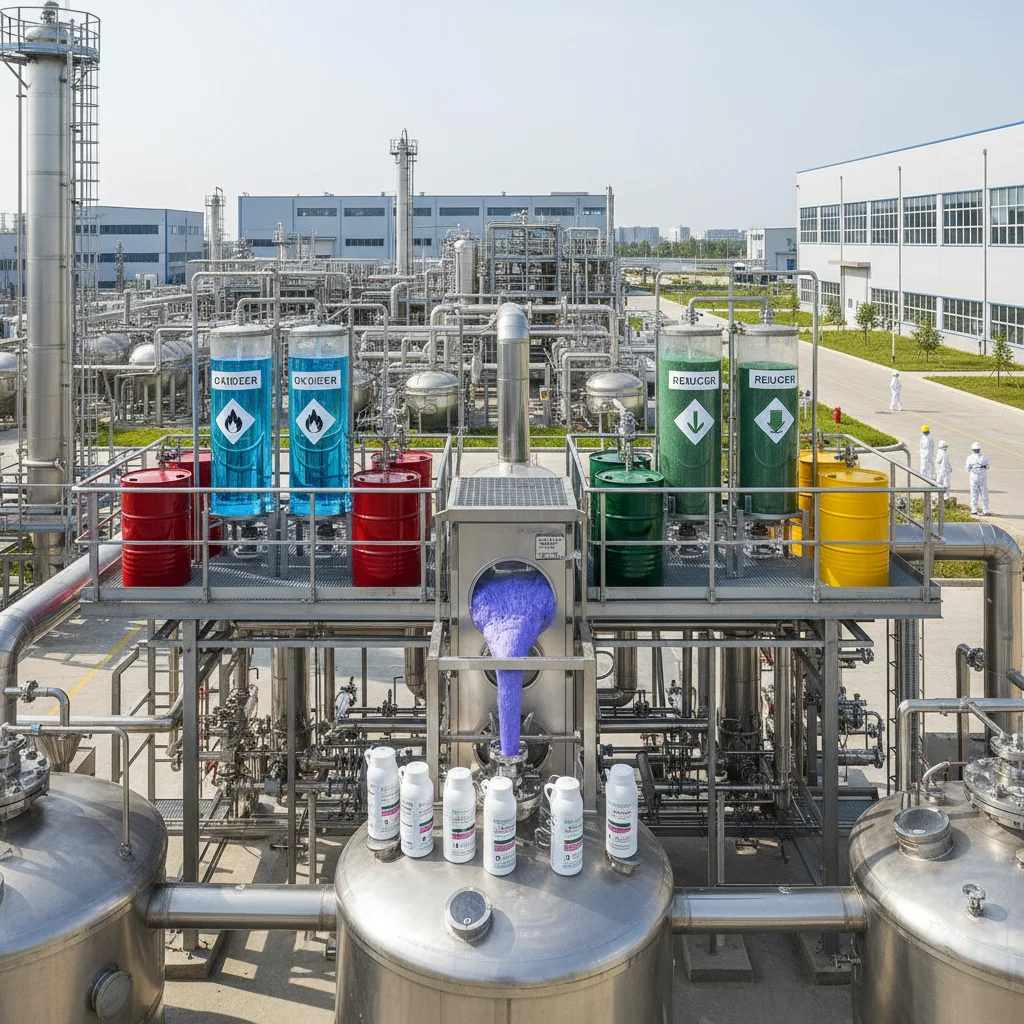
Leading Provider of Oxidizers Reducers for Advanced Industries
We deliver high-purity oxidizers and reducers, crucial components across a diverse range of applications. Our commitment to quality and innovation sets us apart. We are a leading manufacturer and supplier of high-quality oxidizers and reducers, serving diverse industries with precision-engineered chemical solutions. Our state-of-the-art manufacturing processes and rigorous quality control procedures ensure exceptional product purity and consistency. This dedication to excellence, coupled with our responsive customer support, makes us the preferred partner for companies seeking reliable chemical solutions.
Read more »
By:David Miller - March 18, 2026

Oxidizing Reducing Agents for Chemical Excellence
Supplying high-quality oxidizing and reducing agents for diverse industrial applications. We hold a significant position in the chemical industry, specializing in the production and distribution of high-quality oxidizing and reducing agent, catering to diverse industrial needs. Our technical prowess stems from advanced manufacturing processes, rigorous quality control, and a dedicated team of experienced chemists. This allows us to consistently deliver products that meet and exceed industry standards.
Read more »
By:William Lee - March 16, 2026