0%

Table of Contents

The global textile industry is undergoing a paradigm shift toward precision chemistry, where the role of textile dyeing auxiliaries has become central to achieving high-performance fabrics. These specialized chemical agents are not merely additives but are essential catalysts that ensure dyes bond correctly to fibers, maintaining color consistency and enhancing the tactile quality of the end product. In an era of fast fashion and high-performance sportswear, the ability to manipulate the chemical interface between dye and fabric is what separates premium textiles from mediocre ones.

From a global economic perspective, the efficiency of dyeing processes directly impacts the sustainability and profitability of garment manufacturing. By optimizing the use of textile dyeing auxiliaries, manufacturers can significantly reduce water consumption and energy usage, aligning their operations with ISO environmental standards and the UN Sustainable Development Goals. The complexity of modern fibers—ranging from recycled polyesters to organic cotton blends—requires a sophisticated approach to chemical assistance to ensure durability and safety.

Understanding the nuances of these auxiliaries allows brands to solve chronic industry challenges, such as uneven dyeing, poor color fastness, and the environmental footprint of wastewater. Whether it is through pre-treatment agents that prepare the fabric or post-treatment softeners that provide the final luxury feel, the strategic application of these chemicals is the invisible engine driving innovation in the global textile supply chain.
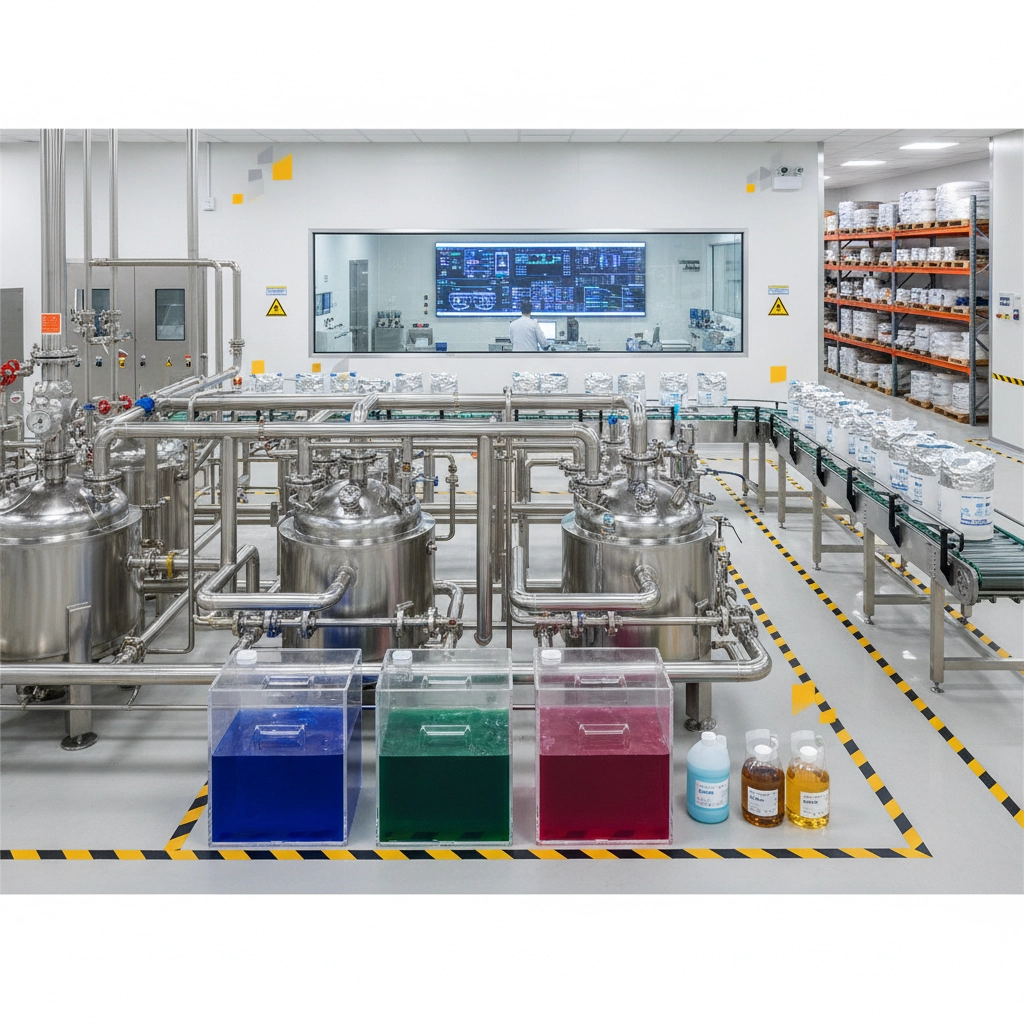
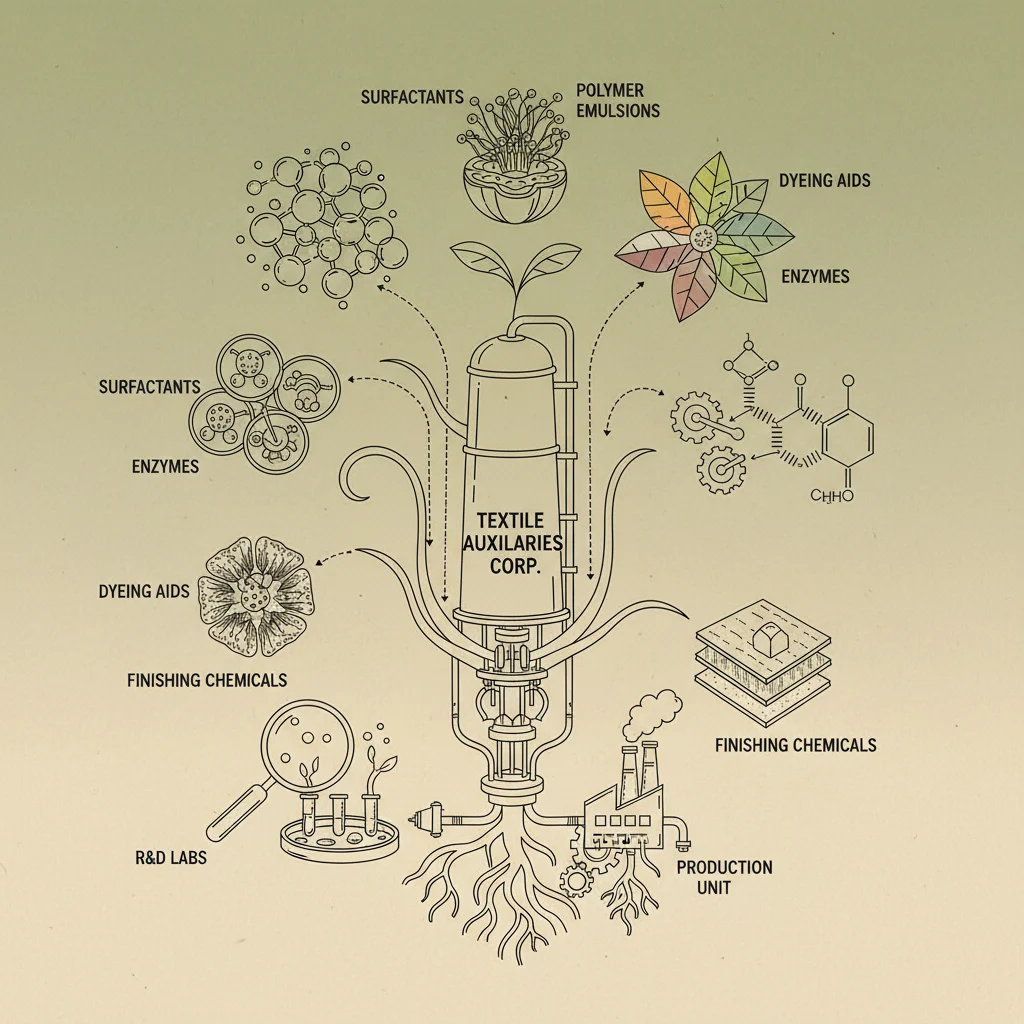
textile dyeing auxiliaries

Global Relevance of Textile Dyeing Auxiliaries
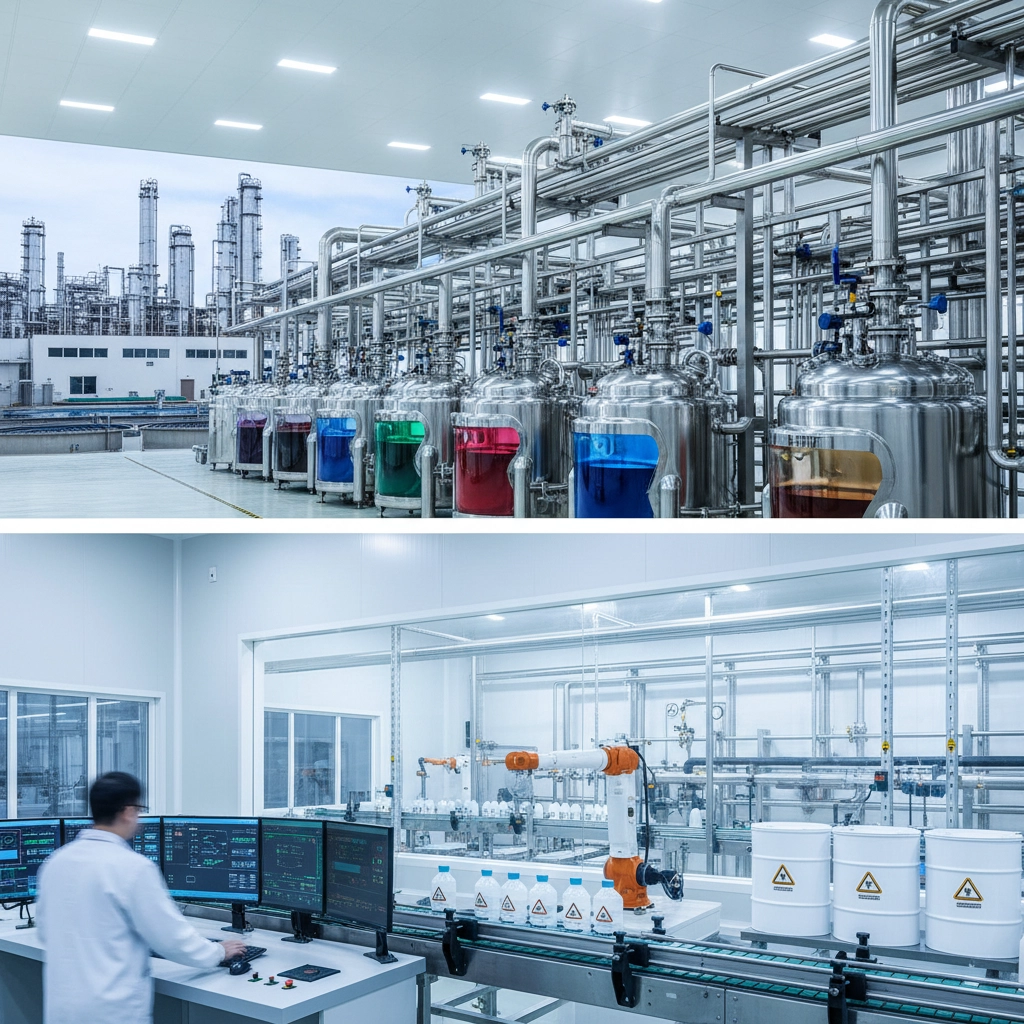
textile dyeing auxiliaries

The demand for textile dyeing auxiliaries is intrinsically linked to the growth of the global apparel and home textile markets. As consumer preferences shift toward vibrant, long-lasting colors and specialized fabric finishes, the chemical industry has had to evolve. In major manufacturing hubs across Asia and Europe, these auxiliaries are utilized to ensure that mass-produced textiles meet stringent international quality standards, reducing the rate of "second-grade" fabrics caused by dyeing defects.

Moreover, the global shift toward "Green Chemistry" has transformed these agents from simple process aids into sophisticated environmental tools. Modern auxiliaries are designed to operate at lower temperatures and utilize less water, directly addressing the crisis of water scarcity in industrial zones. By integrating biodegradable surfactants and non-toxic leveling agents, the industry is moving toward a circular economy where textile production no longer equates to ecological degradation.

Defining the Role of Dyeing Auxiliaries

In simple technical terms, textile dyeing auxiliaries are chemical substances added to the dyeing bath or applied during the fabric preparation and finishing stages to facilitate the dyeing process. Unlike dyes, which provide the actual color, auxiliaries are "helper" chemicals. They manage the environment of the dye bath, controlling factors like pH levels, surface tension, and the rate at which dye molecules migrate from the liquor onto the fiber.

The connection between these chemicals and modern humanitarian needs is more profound than it appears. For instance, the development of specialized auxiliaries allows for the production of affordable, high-durability protective clothing for healthcare workers and emergency responders. By ensuring that antimicrobial treatments and flame retardants are properly bonded to the fabric through the help of specific auxiliaries, the industry enhances the safety and dignity of workers in high-risk environments.

Ultimately, these agents serve as the bridge between raw fiber and a finished commercial product. Without the precise application of wetting agents, sequestering agents, and leveling agents, the colors we see in our daily clothing would be blotchy, fade quickly under sunlight, or wash away after a few cycles. They represent the intersection of molecular science and artistic expression in the fashion world.

Core Components for Process Optimization

To achieve industrial excellence, textile dyeing auxiliaries must focus on Color Uniformity. Leveling agents are critical here, as they slow down the initial strike rate of the dye, allowing the color to distribute evenly across the entire fabric surface. This prevents the dreaded "streaking" or "patchiness" that can render thousands of meters of fabric unusable.

Another pillar is Chemical Stability and Compatibility. High-quality textile dyeing auxiliaries must remain stable under extreme temperatures and varying pH levels without reacting negatively with the dyes themselves. This compatibility ensures that the chemical synergy promotes maximum dye exhaustion, meaning more dye ends up on the fabric and less ends up in the wastewater.

Finally, Cost-Efficiency and Scalability are paramount for commercial viability. Modern auxiliaries are formulated to be effective at very low dosages, reducing the overall cost per kilogram of fabric. When these solutions are scaled up to industrial-sized vats, the precision of the chemical formulation ensures that the same quality is maintained whether producing ten meters or ten thousand meters of cloth.

Practical Applications Across Textile Sectors

The application of textile dyeing auxiliaries varies wildly depending on the textile sector. In the denim industry, for example, specific washing auxiliaries are used to achieve the "stonewashed" or "distressed" look without damaging the structural integrity of the cotton fibers. In contrast, the high-end silk and wool industries rely on delicate pH buffers and specialized surfactants to maintain the natural luster and softness of the protein fibers during the dyeing process.

Beyond fashion, these chemicals are vital in technical textiles. In remote industrial zones where protective gear is manufactured, auxiliaries are used to embed oil-repellent and water-resistant properties into the fabric. Similarly, in the production of medical textiles, specialized auxiliaries ensure that sterile coatings are evenly applied, providing a critical barrier against contaminants in hospital settings.

Efficiency Ratings of Various Textile Dyeing Auxiliaries Methods

Long-Term Value and Sustainability Benefits

The long-term value of investing in premium textile dyeing auxiliaries lies in the drastic reduction of waste. By improving dye uptake, these chemicals minimize the amount of unfixed dye that enters the effluent stream, thereby reducing the cost and complexity of wastewater treatment. For a large-scale mill, this translates into thousands of dollars saved in environmental compliance fees and chemical disposal costs.

Beyond the balance sheet, there is a powerful emotional and ethical angle: trust. Consumers today demand transparency regarding the chemicals used in their clothes. By switching to APEO-free (Alkylphenol Ethoxylates) and biodegradable textile dyeing auxiliaries, brands build trust with their customers, signaling a commitment to human safety and ecological preservation. Innovation in this space is not just about better color; it's about a cleaner planet.

Future Trends in Chemical Textile Innovation

The future of textile dyeing auxiliaries is moving toward "Smart Chemistry." We are seeing the rise of nano-auxiliaries that can target specific fiber sites with atomic precision, reducing chemical usage by up to 40%. Additionally, the integration of digital printing and automated dosing systems allows for the real-time adjustment of auxiliary concentrations based on sensor data, eliminating human error and ensuring absolute batch-to-batch consistency.

Bio-based auxiliaries are another major trend. Researchers are developing surfactants and leveling agents derived from agricultural waste rather than petroleum. These "bio-auxiliaries" offer the same performance as synthetic versions but with a fraction of the carbon footprint, appealing to the growing market for organic and sustainable luxury textiles.

Furthermore, the convergence of biotechnology and chemistry is leading to the creation of enzymatic auxiliaries. These enzymes can perform pre-treatment tasks—like removing impurities from raw cotton—at room temperature and neutral pH, replacing harsh caustic soda and reducing the energy intensity of the entire textile production cycle.

Overcoming Challenges in Auxiliaries Implementation

One of the most persistent challenges in the industry is the "compatibility paradox," where an auxiliary that works perfectly for one fiber blend fails miserably on another. This often leads to inconsistent results when factories switch between different fabric compositions. The solution lies in the adoption of customized chemical "cocktails" and rigorous pre-dyeing laboratory testing to map the specific interaction between the fiber, the dye, and the textile dyeing auxiliaries.

Another hurdle is the resistance to upgrading legacy equipment. Many older dyeing machines cannot handle the precise dosing required for modern, concentrated auxiliaries. To overcome this, industry experts suggest a phased modular upgrade of dosing pumps and the implementation of digital monitoring tools, which allow factories to transition to high-efficiency chemicals without replacing their entire machinery fleet.

Finally, the global regulatory landscape (such as REACH in Europe) is constantly evolving, making it difficult for manufacturers to keep their formulations compliant. The most successful companies are those that partner with specialized chemical suppliers who provide comprehensive regulatory documentation and proactively reformulate their textile dyeing auxiliaries to stay ahead of environmental legislation.

Comparative Analysis of Auxiliary Performance by Application

Auxiliary Type Target Fiber Primary Benefit Efficiency Score (1-10)
Pre-wetting Agent Raw Cotton Faster Penetration 9
Anionic Leveling Agent Polyester Uniform Coloration 8
Cationic Fixing Agent Viscose/Rayon Improved Wash Fastness 7
Chelating Agent Mixed Blends Metal Ion Removal 10
Silicone Softener All Fibers Hand-feel Enhancement 9
Eco-friendly Scouring Agent Organic Cotton Low COD Discharge 8

FAQS

What is the difference between a dye and a textile dyeing auxiliary?

A dye is the colorant that provides the actual hue to the fabric. In contrast, textile dyeing auxiliaries are chemical assistants that do not provide color themselves but ensure the dye is applied evenly, adheres strongly to the fiber, and resists fading. Think of the dye as the paint and the auxiliary as the primer and thinner that make the paint work effectively.

How do leveling agents prevent blotchiness in fabrics?

Leveling agents work by either competing with the dye for the fiber's active sites or by slightly modifying the dye molecule's solubility. This slows down the initial "strike" or absorption of the dye, preventing it from rushing into the first available spot. By creating a controlled, slower absorption rate, the textile dyeing auxiliaries ensure the color spreads uniformly across the entire batch.

Are all textile dyeing auxiliaries environmentally harmful?

Historically, some were, particularly those containing APEOs or heavy metals. However, the industry has shifted toward "Green Chemistry." Modern textile dyeing auxiliaries are now formulated to be biodegradable, non-toxic, and compliant with ZDHC (Zero Discharge of Hazardous Chemicals) standards, significantly reducing the ecological impact of textile mills.

Can I use the same auxiliary for cotton and polyester?

Generally, no. Cotton (cellulosic) and polyester (synthetic) have completely different chemical structures. Cotton requires auxiliaries that manage alkalinity and ionic charges, while polyester often requires agents that work at high temperatures (above 130°C) and manage disperse dye stability. Using the wrong textile dyeing auxiliaries can lead to poor color fastness or fabric damage.

How do fixing agents improve the wash fastness of a garment?

Fixing agents create a chemical barrier or a cross-link between the dye molecule and the fiber. This "locks" the dye in place, making it much harder for water or detergents to pull the dye out during washing. This is a critical step for dark-colored cotton fabrics to prevent bleeding and ensure the garment maintains its vibrancy over time.

How can I reduce the cost of auxiliaries without losing quality?

The key is precision dosing. Many factories over-use textile dyeing auxiliaries as a "safety margin," which is wasteful. By implementing digital dosing systems and conducting precise lab trials for each fabric blend, you can optimize the chemical concentration to the minimum effective level, reducing costs while maintaining high quality.

Conclusion

The strategic integration of high-quality textile dyeing auxiliaries is the cornerstone of modern textile manufacturing. From ensuring flawless color uniformity and enhancing fabric durability to meeting the stringent environmental demands of the 21st century, these chemical agents provide the essential technical support that allows the fashion and technical textile industries to thrive. By focusing on the synergy between fiber science and chemical innovation, manufacturers can achieve a perfect balance between aesthetic excellence and operational efficiency.

Looking forward, the industry must continue to embrace bio-based alternatives and digital precision to eliminate waste and toxicity. As the world moves toward a more sustainable future, the role of the chemist becomes as important as that of the designer. We encourage textile professionals to audit their current chemical processes and adopt next-generation auxiliaries that prioritize both performance and the planet. For professional solutions and high-performance products, visit our website: www.dyeingchem.com

Michael Thompson

Michael Thompson

Michael Thompson leads our dedicated R&D team, focusing on continuous innovation in textile dyeing auxiliaries. With 20 years in the field, he’s a key driver behind our product development efforts. Michael joined the company in 2008 and has been responsible for numerous patented formulations, enhancing the performance and sustainability of our product lines. He champions a culture of experimentation and problem-solving within the team, always looking for ways to improve and anticipate industry trends. Michael holds a PhD in Chemistry and actively collaborates with academic institutions to stay at the forefront of technological advancements.
Previous Industrial Efficiency with High Performance liquid reducing agent

If you are interested in our products, you can choose to leave your information here, and we will be in touch with you shortly.