
Powerful reducing agents are fundamental across diverse industries, from chemical manufacturing and environmental remediation to pharmaceutical production and materials science. Their ability to donate electrons drives crucial processes like detoxification, synthesis, and corrosion prevention. Understanding their properties, applications, and handling is vital for innovation and sustainability globally. The effectiveness of a powerful reducing agent often dictates the efficiency and cost-effectiveness of numerous industrial and scientific endeavors.
The global market for reducing agents is experiencing substantial growth, driven by increasing environmental regulations requiring water treatment and pollution control, as well as expanding applications in emerging technologies like battery production and renewable energy storage. According to the UN Environment Programme, demand for chemicals used in water purification, many relying on powerful reducing agents, is projected to rise significantly in the coming decades. This growing demand necessitates careful consideration of sustainable sourcing and responsible use.
The importance of reliable and efficient reducing agents stems from their role in addressing critical challenges, including industrial waste management, sustainable energy solutions, and the production of essential goods. Effectively utilizing a powerful reducing agent can unlock significant economic and environmental benefits, improving process efficiencies and minimizing harmful byproducts.

Introduction to Powerful Reducing Agents
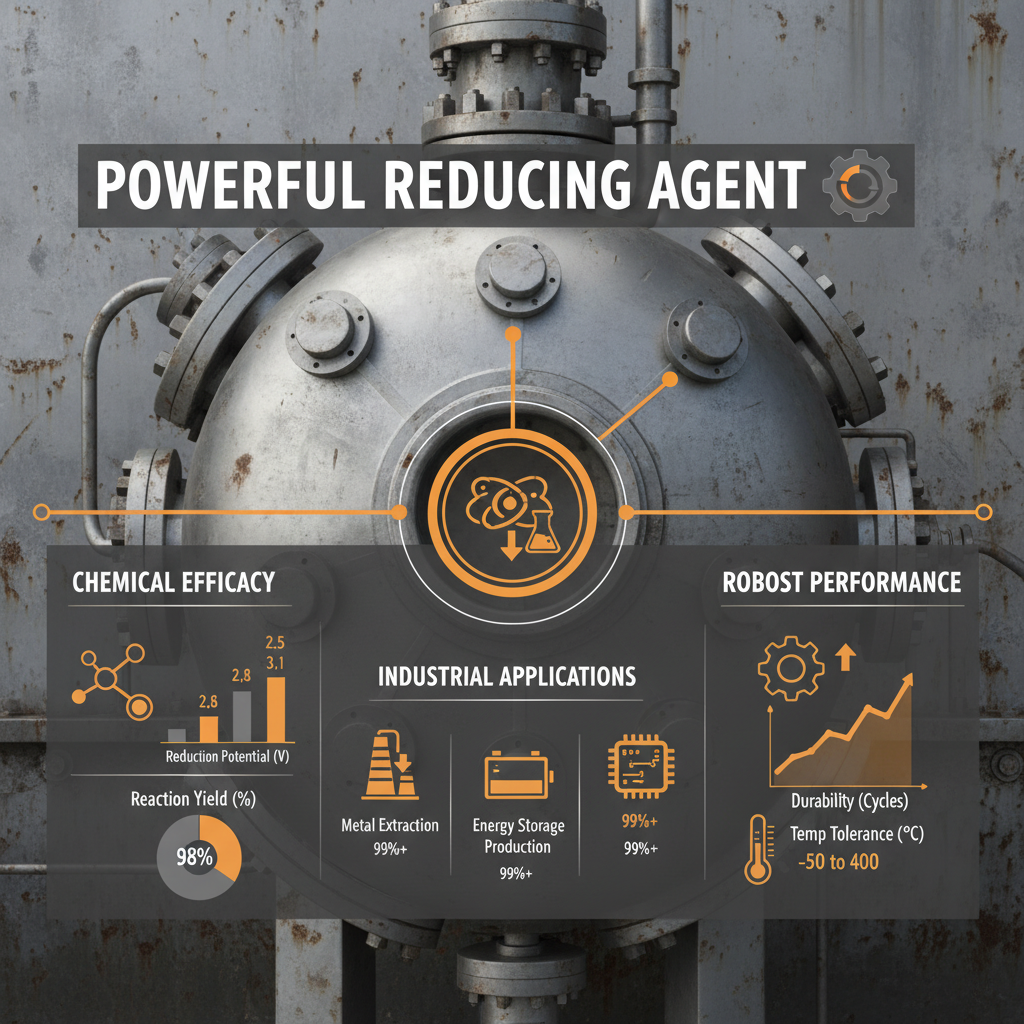
Powerful reducing agents are compounds capable of readily donating electrons to other species, facilitating chemical reactions crucial in many industrial and environmental processes. They differ from weaker reducing agents in their reduction potential, signifying the strength with which they donate electrons. Understanding these agents is key to controlling reaction rates and ensuring desired outcomes in diverse applications.
Their impact extends beyond chemical reactions; powerful reducing agent are indispensable in removing pollutants from water, preventing corrosion in pipelines, and synthesizing vital pharmaceuticals. The development of more effective and environmentally friendly reducing agents is a continued area of active research, driving innovation across multiple sectors.
FAQS
The effectiveness of a powerful reducing agent is determined by its reduction potential, reactivity, temperature, pH, the presence of catalysts, and the specific reaction environment. Higher reduction potential indicates a stronger ability to donate electrons, while optimal temperature and pH levels enhance reaction rates. Catalysts can further accelerate reactions, making the process more efficient.
Yes, research is focused on developing environmentally friendly alternatives to traditional reducing agents. Bio-based reducing agents derived from renewable resources, such as plant extracts or microbial sources, are gaining traction. Additionally, electrochemical reduction methods offer a cleaner approach by utilizing electricity instead of chemical reducing agents.
Powerful reducing agents require careful handling and storage due to their reactivity. Always wear appropriate personal protective equipment (PPE), including gloves, eye protection, and a lab coat. Store them in airtight containers in a cool, dry, and well-ventilated area, away from oxidizing agents and incompatible materials. Refer to the Safety Data Sheet (SDS) for specific handling and storage instructions.
Powerful reducing agents are widely used in wastewater treatment for several key applications. They effectively remove heavy metals, such as chromium and mercury, by reducing them to less toxic forms. They also play a role in dechlorinating wastewater and reducing sulfate to sulfide, aiding in the removal of pollutants.
The costs associated with powerful reducing agents can vary significantly depending on the specific agent, quantity, and supplier. Costs include the price of the chemical itself, storage and handling expenses, and waste disposal costs. Optimizing the reduction process and selecting cost-effective agents can help minimize these expenses.
Selecting the right powerful reducing agent requires careful consideration of the specific application and its requirements. Factors to consider include the target pollutants, reaction conditions (temperature, pH), cost, environmental impact, and safety concerns. Consulting with a chemical expert or conducting laboratory testing can help determine the most suitable agent.
Conclusion
Powerful reducing agents are vital components of numerous industrial processes and environmental solutions. Their ability to facilitate electron transfer underpins critical applications from water purification and chemical synthesis to materials science and energy storage. Understanding their properties, selecting the appropriate agent, and employing safe handling practices are paramount for achieving optimal results and minimizing environmental impact.
Looking ahead, ongoing research into sustainable and efficient reducing agents, coupled with advancements in digital control and automation, will further enhance their value. By embracing innovation and prioritizing responsible chemical management, we can unlock the full potential of powerful reducing agent for a more sustainable future.
Related Posts
-
Comprehensive Guide to Textile Finishing Chemicals and Their Applications
-
How to Choose a Better Oxidizing Agent for Textile Processing
-

Exploring the Versatile Applications of Inorganic Reducing Agents in Industry and Beyond
-
Optimizing Textile Production with Effective find oxidizing and reducing agents Strategies