


textile auxiliaries manufacturer
reducing agent meaning
reducing agent definition
strong reducing agents examples

NEWS

NEWS

Exploring the World of Organic Textile Dyes for Sustainable Fashion

Exploring the World of Organic Textile Dyes for Sustainable Fashion

March 26, 2026
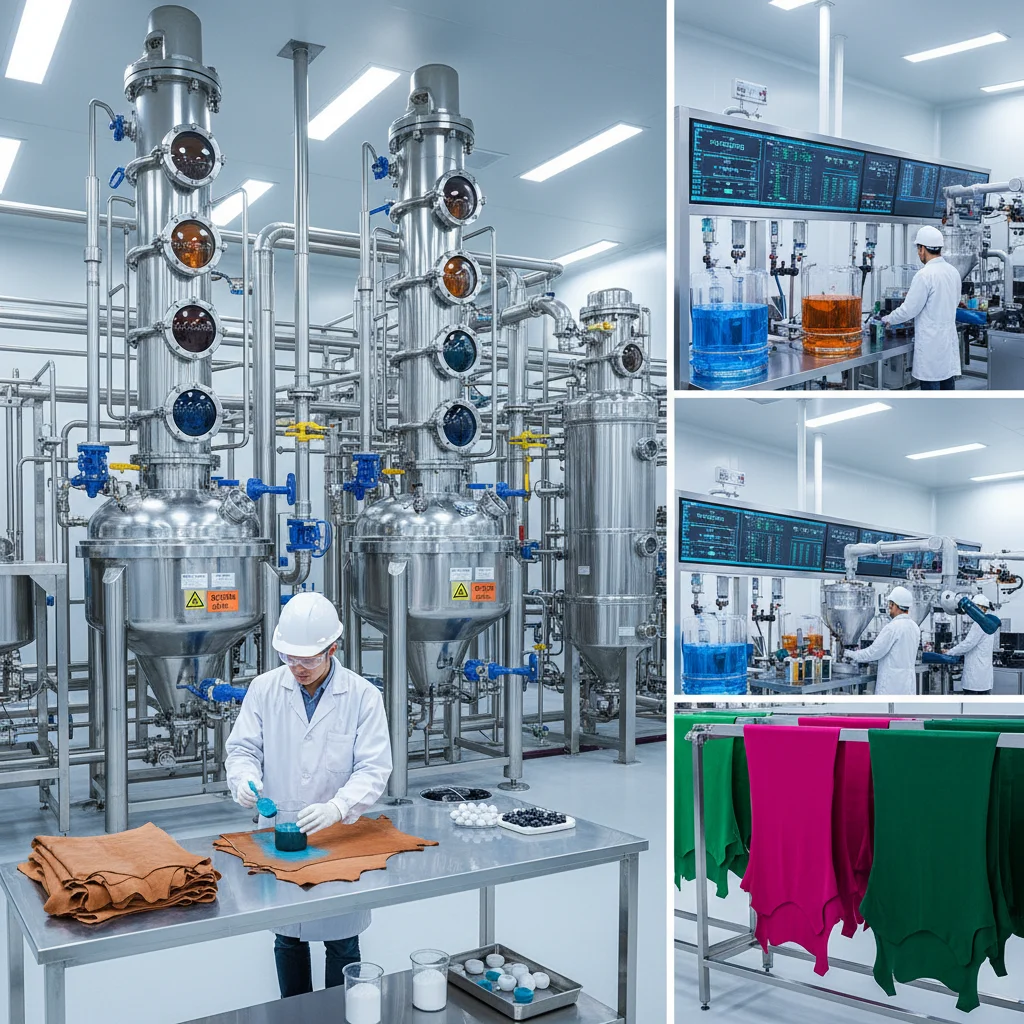
In an era of increasing environmental consciousness, the demand for sustainable practices within the textile industry is growing rapidly. A key component of this shift is the adoption of organic textile dyes. These dyes offer a compelling alternative to conventional, often harmful, synthetic dyes. This article delves into the world of organic textile dyes, exploring their benefits, types, applications, and the future of sustainable coloring. We'll cover everything from the sourcing of natural pigments to their impact on both the environment and the final product. Choosing organic dyes is a crucial step towards a more responsible and eco-friendly textile supply chain. Organic textile dyes are derived from natural sources – plants, insects, and minerals – and processed with minimal synthetic intervention. Unlike conventional dyes, which often contain heavy metals and toxic chemicals, organic dyes utilize renewable resources and pose a significantly reduced environmental risk. The sourcing is carefully controlled to ensure sustainable practices, minimizing harm to ecosystems. These dyes are particularly favored for baby clothes, eco-conscious brands, and those seeking hypoallergenic options. The commitment to natural processes ensures a cleaner, safer product for both consumers and the planet.
Comprehensive Guide to Successfully Re Dyeing Leather for Lasting Results

Comprehensive Guide to Successfully Re Dyeing Leather for Lasting Results

March 26, 2026
Re-dyeing leather is a fantastic way to revitalize aged or discolored leather goods, offering a cost-effective alternative to replacement. Whether you're looking to restore a beloved leather jacket, breathe new life into furniture, or customize a leather accessory, understanding the process is crucial for a successful outcome. This article will delve into the techniques, materials, and best practices for leather re-dyeing, helping you achieve professional-looking results. We will also cover important considerations to ensure the longevity of your restored leather items. Not all leathers are created equal, and knowing the type you’re working with is paramount. Different leather types react differently to dyes, and the preparation process varies accordingly. Common leather types include aniline, semi-aniline, pigmented, and nubuck/suede. Aniline leather, being the most natural, accepts dye readily but is also the most susceptible to staining. Pigmented leather, having a protective coating, requires more preparation to allow the dye to penetrate.
Advancing Sustainable Textile Dyeing for a Greener Future in Fashion

Advancing Sustainable Textile Dyeing for a Greener Future in Fashion

March 26, 2026
The textile industry is facing increasing scrutiny regarding its environmental impact, particularly concerning the dyeing process. Traditional textile dyeing is notoriously water-intensive and often utilizes harsh chemicals. However, a growing movement towards sustainable textile dyeing is offering innovative solutions. This article delves into the challenges of conventional dyeing, explores the benefits of sustainable alternatives, and examines the latest advancements in eco-friendly dyeing technologies. We'll also explore how dyeing chemicals from DyeingChem are contributing to a more sustainable future in textile production. Traditional textile dyeing processes rely heavily on water – approximately 200 liters are needed to produce just one pair of jeans. Furthermore, these processes often employ toxic chemicals, including heavy metals and formaldehyde, which can pollute waterways and pose risks to human health. Untreated wastewater from textile dyeing can severely damage ecosystems and contaminate drinking water sources.
Exploring the World of Craft Textile Dyes A Comprehensive Guide

Exploring the World of Craft Textile Dyes A Comprehensive Guide

March 26, 2026
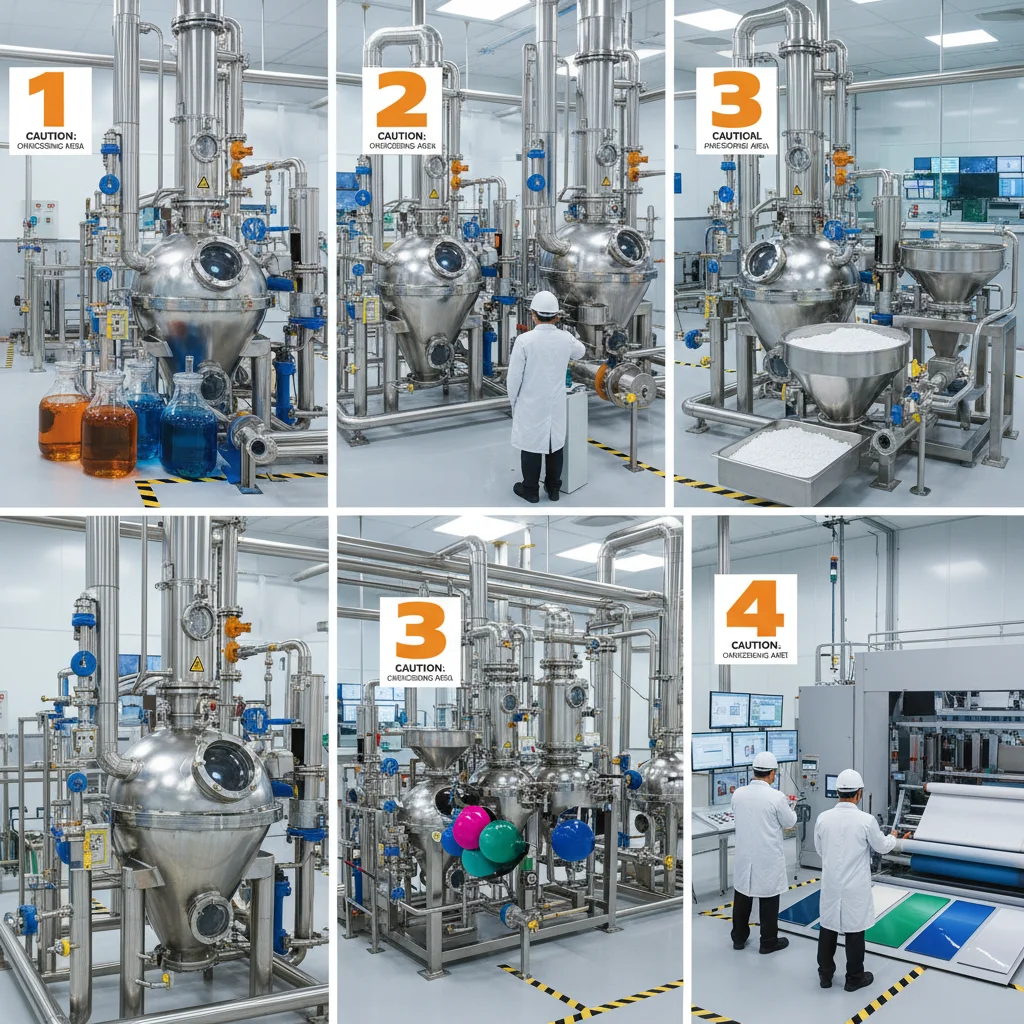
The world of color is fundamental to the craft and textile industries. From vibrant fashion to stunning artwork, craft & textile dyes are essential. Choosing the right dye involves understanding different types, their applications, and the factors influencing colorfastness and environmental impact. This article delves into the fascinating world of dyes, providing a comprehensive overview for artists, designers, and manufacturers. We’ll explore the science behind color and guide you toward making informed decisions for your projects. A wide array of dyes exists, each with unique properties and best-suited applications. Natural dyes, derived from plants, minerals, and animals, offer eco-friendly options but can have limited color ranges and potentially lower colorfastness. Synthetic dyes, created through chemical processes, provide a broader spectrum of colors and generally better durability. Within synthetic dyes, various classes exist, including reactive dyes (excellent for cotton and cellulose fibers), acid dyes (ideal for wool, silk, and nylon), and disperse dyes (used for polyester). Choosing the correct dye type depends heavily on the fiber content of the material being dyed.
Exploring the World of Textile Paints and Dyes for Vibrant Fabric Creations

Exploring the World of Textile Paints and Dyes for Vibrant Fabric Creations

March 26, 2026
The world of fashion and textiles relies heavily on vibrant and durable coloration. Textile paints and dyes are the cornerstone of this process, transforming raw fabrics into the colorful garments and materials we use daily. Understanding the different types, applications, and considerations for these colorants is crucial for manufacturers, designers, and anyone involved in the textile industry. This article provides a detailed overview of textile paints and dyes, exploring their characteristics, uses, and the latest advancements. Choosing the right dye or paint is paramount for achieving the desired aesthetic and performance characteristics. While often used interchangeably, textile dyes and paints differ significantly in their application and how they interact with fabric. Textile dyes penetrate the fibers of the fabric, becoming part of the material itself. This results in excellent wash fastness and durability. They are typically used for large-scale production and achieve deep, consistent colors. Textile paints, conversely, form a coating on the surface of the fabric. This allows for more artistic and detailed designs, but generally offers less wash fastness than dyeing. They are frequently used for bespoke designs, artwork on fabric, and smaller production runs. The choice between dye and paint depends on the desired outcome and application.
Exploring Sulfur Dyes for Textile Applications and Sustainable Practices

Exploring Sulfur Dyes for Textile Applications and Sustainable Practices

March 26, 2026
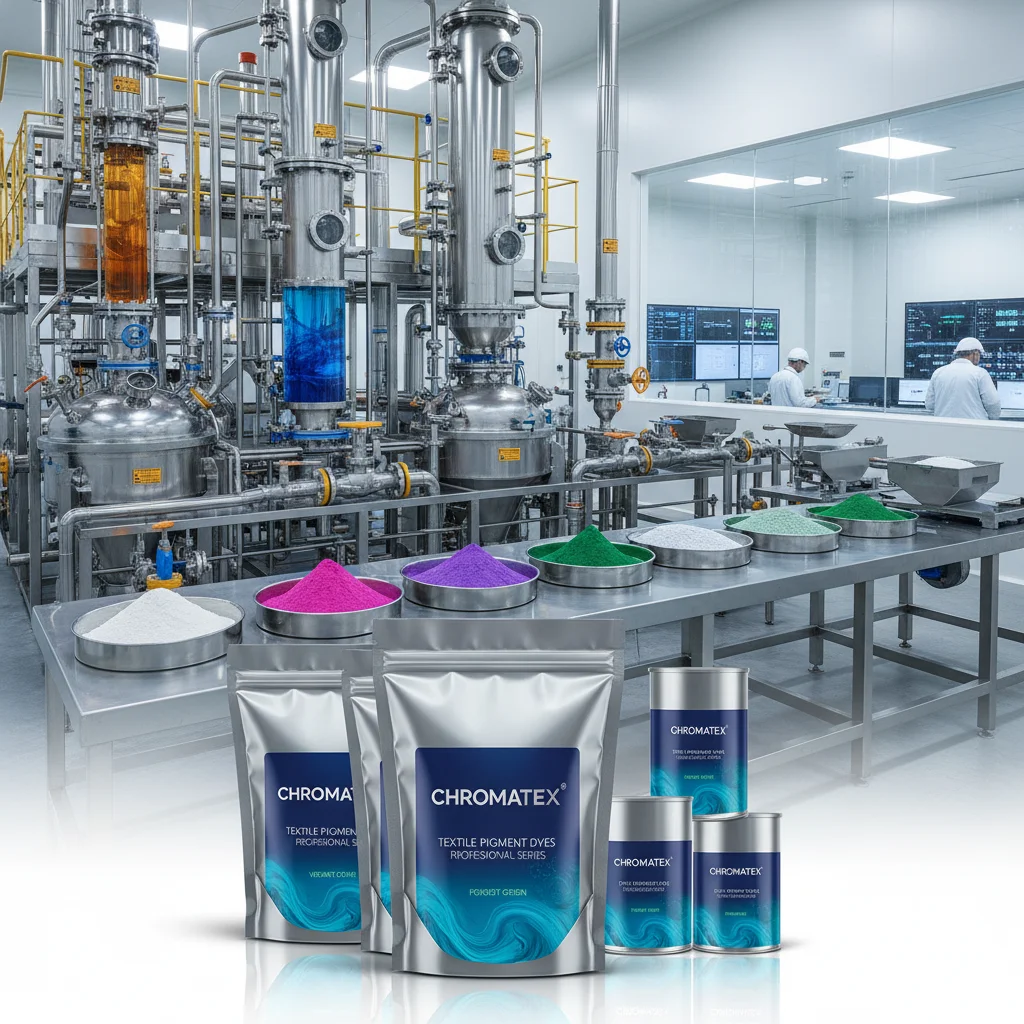
Sulfur dyes represent a significant class of dyes used extensively in the textile industry, particularly for coloring cellulosic fibers like cotton. Known for their cost-effectiveness, good wash fastness, and ability to produce deep shades – especially blacks and navy blues – they are a popular choice for various applications. This article delves into the intricacies of sulfur dyes, covering their properties, application processes, advantages, disadvantages, and future trends. Understanding these dyes is crucial for textile manufacturers aiming for efficient and high-quality coloration. Sulfur dyes aren’t single, well-defined chemical compounds. Instead, they are complex mixtures of organic sulfur compounds produced by the reaction of aromatic amines with sulfur and sodium sulfide. This process results in a polymeric, insoluble substance that needs to be solubilized before application. The exact composition varies depending on the raw materials and manufacturing conditions.
Exploring Pigment Dyes for Textile Printing Applications and Benefits

Exploring Pigment Dyes for Textile Printing Applications and Benefits

March 24, 2026
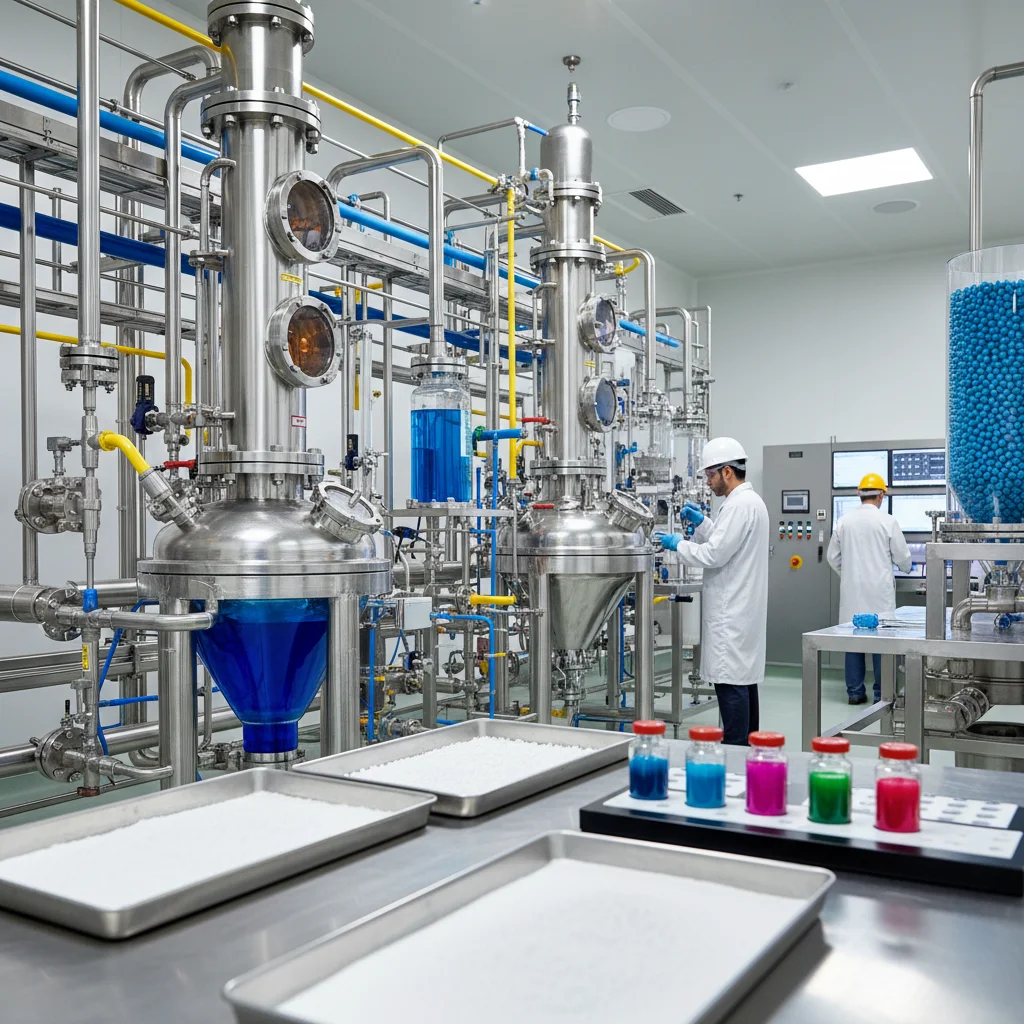
The textile printing industry relies heavily on high-quality dyes to achieve vibrant, durable, and aesthetically pleasing results. Pigment dyes have become increasingly popular for textile printing due to their versatility, cost-effectiveness, and environmental advantages. This article will delve into the world of pigment dyes, exploring their characteristics, applications, benefits, and considerations for optimal use. We’ll also cover selecting the right pigment dye for your specific textile printing needs. Discover how Dyeingchem.com provides reliable pigment dye solutions for textile printing. Unlike dye classes that chemically bond with textile fibers, pigment dyes are insoluble colorants. They are applied to the fabric surface alongside a binder, which adheres the pigment particles to the fibers. This process doesn’t alter the fiber structure, making pigment dyes suitable for a wider range of fabrics, including synthetics, natural fibers, and blends. Pigment printing is particularly favored for its simplicity and ability to deliver bright, opaque colors. The choice of binder significantly affects the wash fastness, rub fastness, and overall performance of the printed fabric.
Understanding Textile Pigments for Vibrant and Durable Coloration

Understanding Textile Pigments for Vibrant and Durable Coloration

March 24, 2026
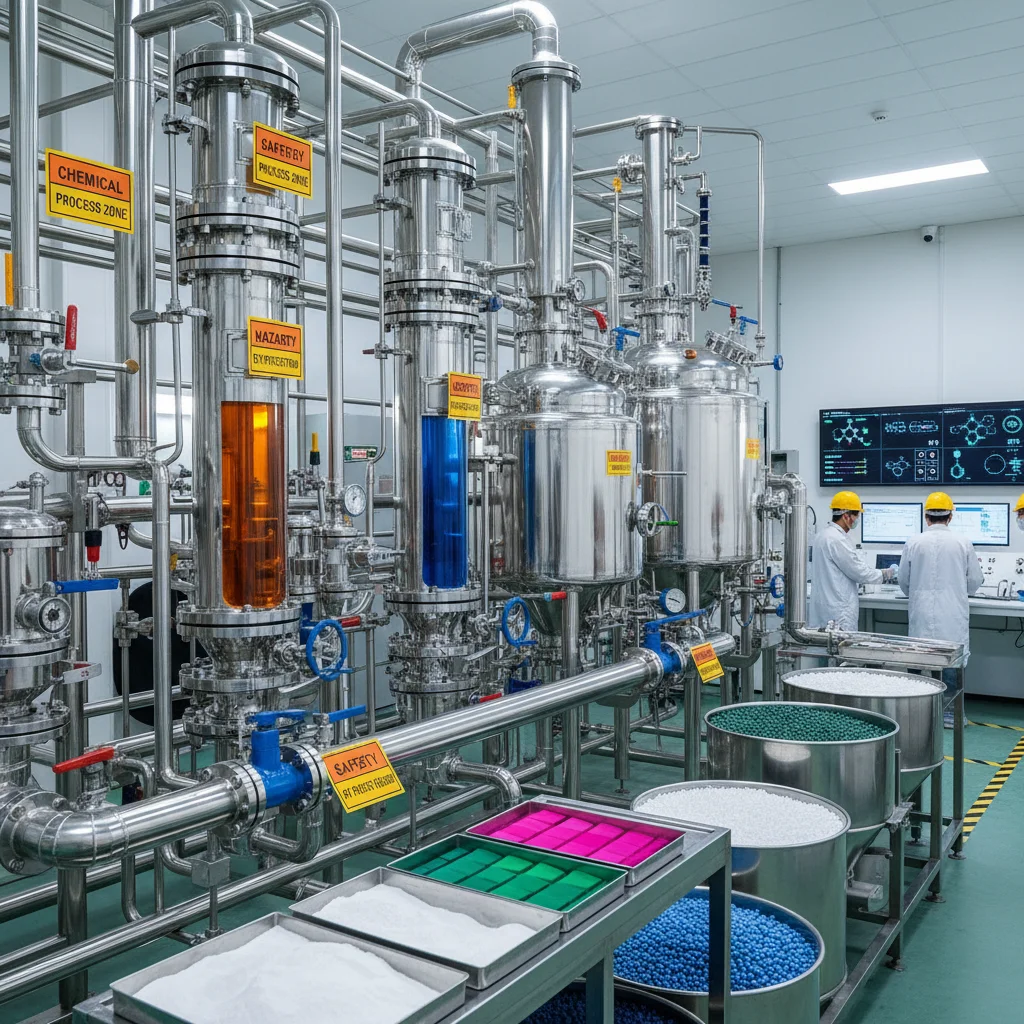
Textile pigments are crucial components in the dyeing and printing of fabrics, offering vibrant and durable coloration. Unlike dyes, which dissolve in the application medium, pigments remain as insoluble particles, providing excellent lightfastness and wash fastness. Choosing the right textile pigment is essential for achieving desired aesthetic and performance characteristics. This article will explore the different types of textile pigments, their applications, key considerations for selection, and emerging trends. Textile pigments can be categorized based on their chemical composition and color index. Common types include organic pigments, inorganic pigments, and fluorescent pigments. Organic pigments, like azo pigments and phthalocyanine pigments, offer a wide range of bright colors but may have lower lightfastness compared to inorganic pigments. Inorganic pigments, such as iron oxides and titanium dioxide, provide excellent lightfastness and durability, although their color palette is more limited. Fluorescent pigments offer vibrant, glowing colors, ideal for high-visibility applications. Textile pigments find extensive use in various applications, including garment dyeing, textile printing, and coating. They are commonly used for dyeing cotton, polyester, nylon, and other synthetic fabrics. Pigment printing is a popular technique for creating patterned designs on textiles, offering excellent wash fastness and rub resistance.
Exploring Direct Dye in Textile A Comprehensive Guide to Application and Trends

Exploring Direct Dye in Textile A Comprehensive Guide to Application and Trends

March 24, 2026
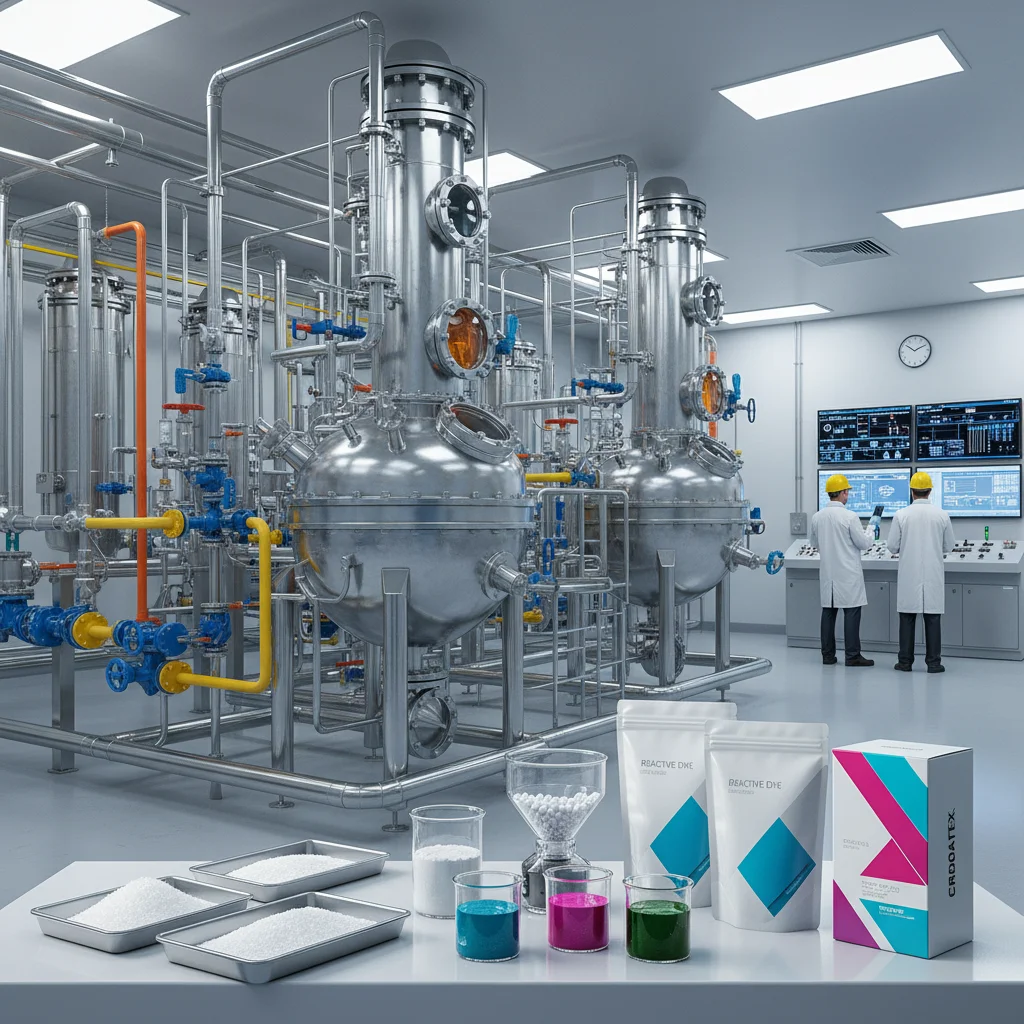
The textile industry relies heavily on dyes to impart color to fabrics. Among the various dye classes, direct dyes hold a significant position due to their ease of application and relatively low cost. This article provides a detailed exploration of direct dyes in textiles, covering their characteristics, application processes, advantages, disadvantages, and current trends. Understanding these dyes is crucial for textile professionals aiming for efficient and vibrant coloration. Direct dyes are water-soluble anionic dyes characterized by their ability to directly dye cellulosic fibers like cotton, rayon, and linen without the need for a mordant. Their chemical structure consists of linear molecules with conjugated systems, enabling them to absorb light and produce color. These dyes typically contain sulfonic acid groups, which contribute to their water solubility. They have moderate wash fastness and light fastness, which can be improved through after-treatment processes. The substantivity of direct dyes – their affinity for cellulosic fibers – is due to hydrogen bonding and Van der Waals forces. Applying direct dyes involves several key steps. First, the dye is dissolved in water, often with the addition of sodium chloride or sodium sulfate to enhance solubility and exhaustion.
Exploring Reactive Dye in Textile Industry Applications and Future Trends

Exploring Reactive Dye in Textile Industry Applications and Future Trends

March 24, 2026

Reactive dyes are a class of highly versatile colorants used extensively in the textile industry. Known for their excellent wash fastness and vibrant hues, they form a covalent bond with the fiber, resulting in a durable and long-lasting color. This article explores the intricacies of reactive dyes, covering their chemistry, application, advantages, disadvantages, and future trends. Understanding these dyes is crucial for anyone involved in textile manufacturing, dyeing, or research. Choosing the right dye impacts not just the aesthetic appeal but also the environmental sustainability of textile production. Reactive dyes contain a reactive group that forms a covalent bond with the hydroxyl groups of cellulosic fibers like cotton, viscose, and linen, or the amino groups of protein fibers like wool and silk. This chemical bonding is what gives reactive dyes their superior wash fastness. The most common reactive groups include dichlorotriazine, monochlorotriazine, vinyl sulfone, and difluorochlorotriazine.
Exploring Chemical Dyes in Textiles A Comprehensive Overview of Types and Sustainability

Exploring Chemical Dyes in Textiles A Comprehensive Overview of Types and Sustainability

March 24, 2026

The textile industry relies heavily on chemical dyes in textiles to achieve the vibrant colors and patterns consumers demand. However, the selection and application of these dyes are complex, influencing not only the aesthetic appeal but also the environmental impact and safety of textile products. This article will explore the different types of chemical dyes used in textiles, their applications, the challenges associated with their use, and emerging sustainable alternatives. Understanding these aspects is crucial for textile manufacturers, designers, and consumers alike. Chemical dyes are broadly categorized based on their chemical structure and how they bond with textile fibers. Some common types include: Reactive dyes, known for their excellent wash fastness and bright colors, suitable for cotton and other cellulose fibers; Direct dyes, easy to apply but with moderate wash fastness; Acid dyes, used primarily for protein fibers like wool and silk, offering good color range; Basic dyes, providing brilliant shades but with limited lightfastness; and Disperse dyes, designed for synthetic fibers like polyester, requiring heat for fixation.
Exploring the World of Synthetic Dyes in Textiles and Their Impact

Exploring the World of Synthetic Dyes in Textiles and Their Impact

March 24, 2026
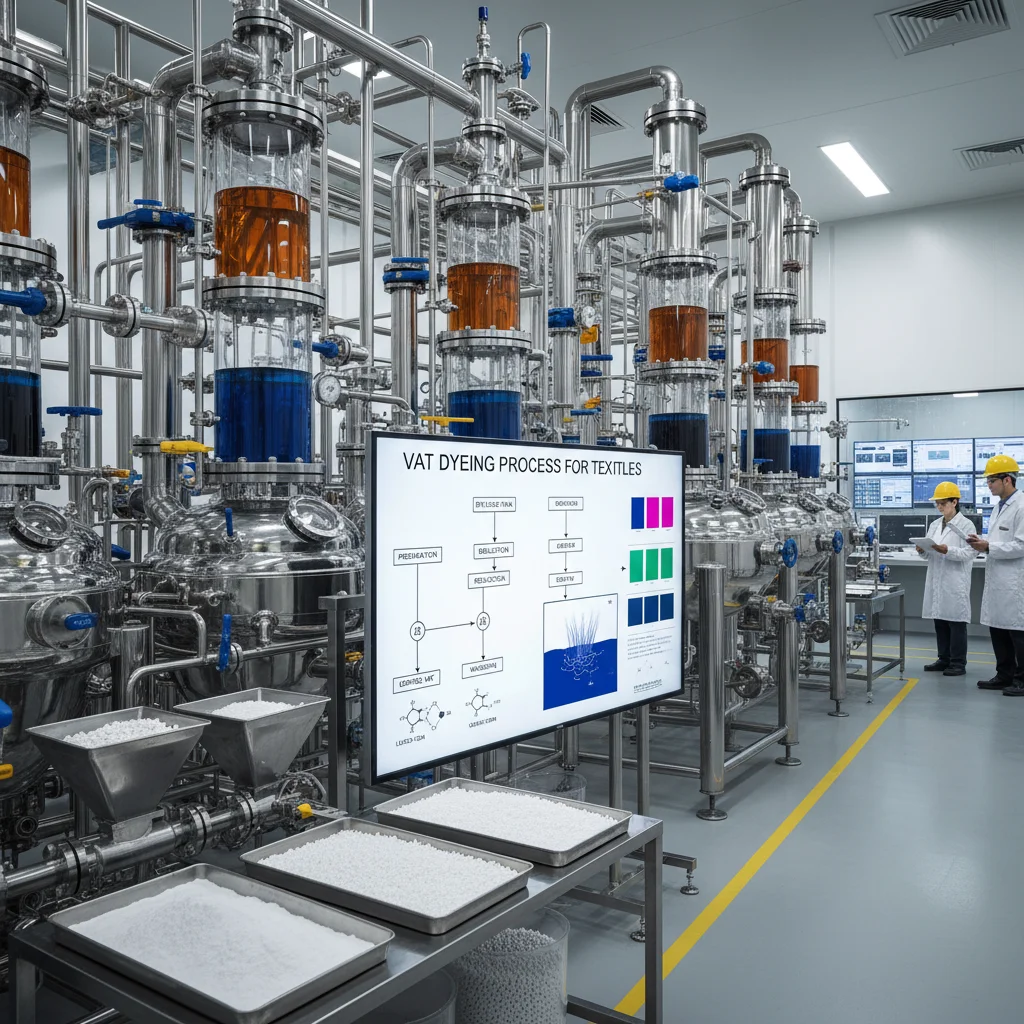
The textile industry relies heavily on dyes to achieve the vibrant colors and desired aesthetic qualities in fabrics. While natural dyes have a long history, synthetic dyes have become dominant due to their cost-effectiveness, colorfastness, and wider range of available shades. This article explores the world of synthetic dyes in textiles, covering their types, advantages, disadvantages, environmental impact, and future trends. Understanding these dyes is crucial for textile manufacturers, designers, and consumers alike. Synthetic dyes offer several advantages over natural dyes, including a wider color palette, superior colorfastness, lower cost, and easier application. However, synthetic dyes also have drawbacks. Some dyes contain chemicals that can be harmful to human health and the environment.
Exploring the Chemistry and Applications of Vat Dye in Textile Industry

Exploring the Chemistry and Applications of Vat Dye in Textile Industry

March 21, 2026
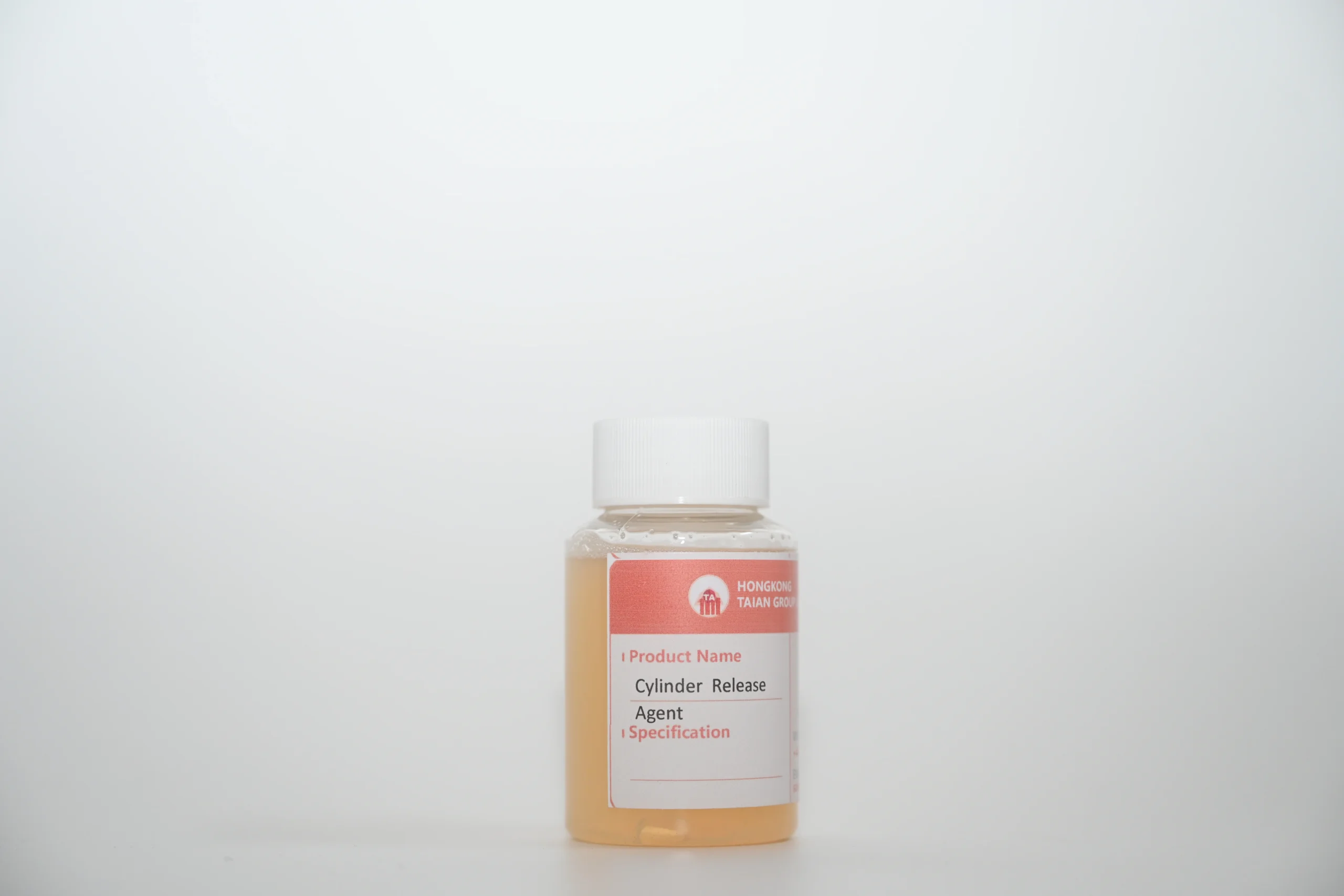
Vat dyes represent a significant class of colorants crucial to the textile industry, renowned for their exceptional wash and light fastness properties. These dyes are particularly valuable for cellulosic fibers like cotton, linen, and viscose rayon, providing vibrant, long-lasting color. This article will delve into the chemistry, application, advantages, and challenges associated with vat dyes, offering insights for textile professionals and enthusiasts alike. Understanding the nuances of vat dyeing is essential for achieving high-quality, durable textiles. Vat dyes are insoluble in water and require reduction to a soluble leuco form (a colorless, reduced form) before application to the fabric. This reduction is typically achieved using a reducing agent such as sodium hydrosulfite (sodium dithionite). Once applied to the textile and exposed to air, the leuco form oxidizes, reverting to the original insoluble colored pigment, trapping the dye within the fiber.

If you are interested in our products, you can choose to leave your information here, and we will be in touch with you shortly.