




textile auxiliaries manufacturer
reducing agent meaning
reducing agent definition
strong reducing agents examples

NEWS

NEWS

Exploring the World of Organic Black Dye A Sustainable Coloring Solution

Exploring the World of Organic Black Dye A Sustainable Coloring Solution

March 19, 2026
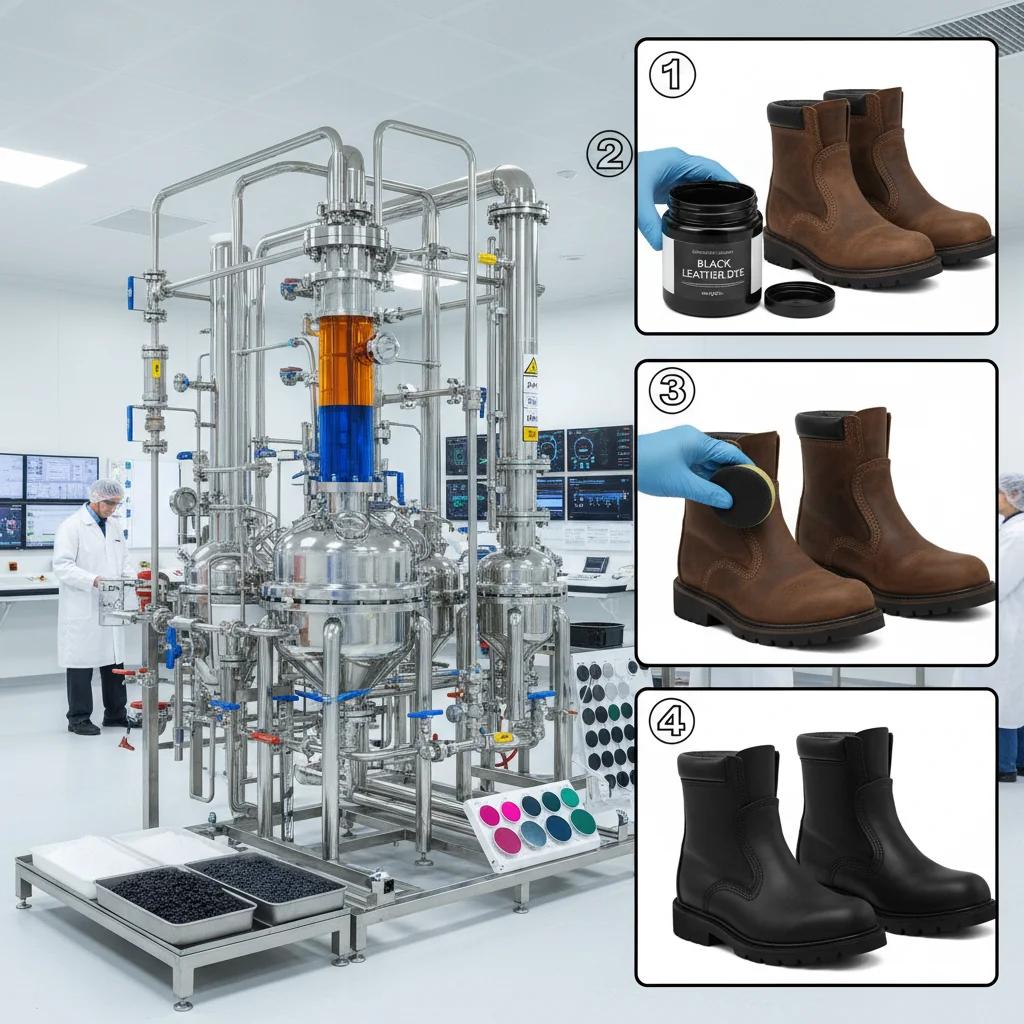
Organic black dye is a fascinating and increasingly important area within the textile and coloring industries. Unlike traditional synthetic dyes, organic black dyes are derived from natural sources, offering a more sustainable and environmentally friendly alternative. This article will delve into the world of organic black dye, exploring its sources, properties, applications, and benefits. We’ll also compare it to synthetic options and discuss current trends and future prospects. Choosing the right dye can impact not just the color of your product, but also its environmental footprint. The creation of organic black dye relies on natural sources rich in tannins and other pigment-producing compounds. Common origins include plants like logwood, walnut husks, and certain types of barks. Logwood, historically significant, yields a deep, rich black color thanks to its high concentration of hematoxylin. Walnut husks, a more readily available resource, provide a brownish-black hue. The key lies in extracting these natural pigments and processing them to achieve a stable and lasting black dye. The quality and intensity of the black color can vary depending on the source and extraction methods used.
Comprehensive Guide to Choosing the Best Black Leather Dye for Boots Restoration

Comprehensive Guide to Choosing the Best Black Leather Dye for Boots Restoration

March 17, 2026

Maintaining and restoring the appearance of leather boots can be challenging, but the right black leather dye for boots can make all the difference. This article provides a comprehensive guide to selecting the best dye for your needs, covering different types, application techniques, and tips for achieving a professional finish. Whether you're restoring vintage boots or simply refreshing the color of well-worn footwear, understanding your options is key. Properly dyed boots not only look better, but are also more protected from the elements, extending their lifespan. There are several types of black leather dye available, each with its own advantages and disadvantages. The main categories include dye creams, liquid dyes, and leather stains. Dye creams are generally thicker and provide more intense color, while liquid dyes penetrate deeper into the leather.
Comprehensive Guide to Black Fabric Dye for Shoes Restoration and Color Enhancement

Comprehensive Guide to Black Fabric Dye for Shoes Restoration and Color Enhancement

March 17, 2026

Maintaining and restoring the appearance of shoes is crucial, and choosing the right black fabric dye for shoes is key. This article offers a detailed look into selecting, applying, and maintaining color on various shoe materials. We'll explore different dye types, application techniques, and tips for long-lasting results. Whether you're reviving faded leather, canvas, or synthetic shoes, this guide will provide you with the knowledge to achieve professional-quality results. Understanding the nuances of fabric dyes ensures your shoes regain their original vibrancy and extend their lifespan. When choosing a black fabric dye for shoes, it’s important to understand the available types. Liquid dyes are easy to apply and work well for most fabrics. Powder dyes offer more concentrated color and are often used for deeper shades. Dye pens are ideal for precise application on small areas like scratches or scuffs.
Effective Restoration with Black Fabric Dye for Bleach Stains on Clothes

Effective Restoration with Black Fabric Dye for Bleach Stains on Clothes

March 17, 2026

Accidental bleach stains on dark fabrics can be disheartening, but often aren't a reason to discard your clothes. With the right approach, particularly utilizing a quality black fabric dye, you can effectively restore the color and salvage your garments. This article will explore the causes of bleach stains, assess dye options, offer application techniques, and discuss preventative measures. We’ll provide insights into selecting the best dye for your fabric and achieving a lasting, even color. Bleach works by oxidizing the color molecules in fabric. This doesn't simply remove color, but alters its chemical structure, rendering it invisible. When bleach stains occur, you're left with areas where the fabric's original dye has been destroyed. Successfully dyeing over bleach requires understanding that you’re not simply adding color to the bleached area, but rather introducing new dye molecules to replace the damaged ones. Different fabrics react differently to dye, so knowing your material (cotton, linen, polyester, etc.) is critical.
Comprehensive Guide to Achieving Deep Shades with Jet Black Fabric Dye

Comprehensive Guide to Achieving Deep Shades with Jet Black Fabric Dye

March 17, 2026
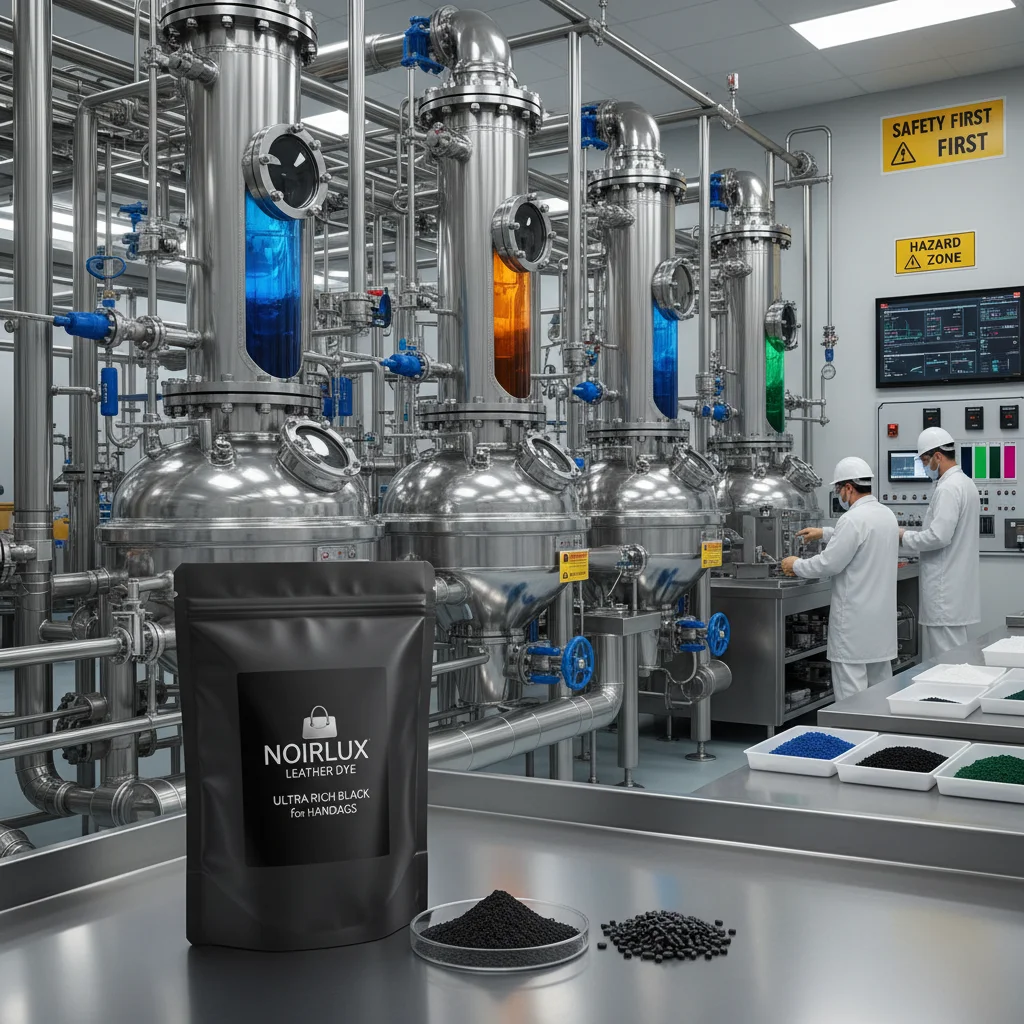
Achieving a rich, deep black color on fabrics can be surprisingly complex. Jet black fabric dye is a popular choice for many textile applications, but understanding its properties, application methods, and different types is crucial for optimal results. This article provides an in-depth look at jet black fabric dye, covering everything from dye chemistry to best practices for achieving consistent, long-lasting color. We will explore how to choose the right dye for your specific fabric type and project requirements. Choosing the correct dye can significantly affect the final product's colorfastness and aesthetic appeal. Jet black fabric dye typically refers to a combination of dyes, rather than a single chemical compound, formulated to produce an intensely dark black coloration. These dyes often utilize reactive dyes, direct dyes, or acid dyes, blended carefully to achieve a true black hue.
Achieving a Flawless Finish with Black Leather Dye for Handbags

Achieving a Flawless Finish with Black Leather Dye for Handbags

March 17, 2026

Restoring and recoloring a leather handbag can breathe new life into a cherished item. Selecting the correct black leather dye for handbags is critical for achieving professional-looking results. This guide will explore different types of dyes, application techniques, and key considerations for successfully dyeing your handbag. From understanding leather types to achieving a durable finish, we’ll cover everything you need to know to transform your bag. Investing in the right dye and knowing how to use it ensures your handbag looks its best for years to come. Before you begin, it's essential to identify the type of leather your handbag is made from. Different leather types require different dyes for optimal results. Common leather types include full-grain, top-grain, split leather, and bonded leather. Full-grain and top-grain leathers are more porous and readily absorb dyes, making them ideal candidates for recoloring. Split leather and bonded leather are less receptive to dyes and may require specialized treatments. Using the wrong dye can result in uneven color, poor adhesion, or a faded finish.
Revitalize Your Sofa with the Best Black Leather Dye for Sofa

Revitalize Your Sofa with the Best Black Leather Dye for Sofa

March 14, 2026
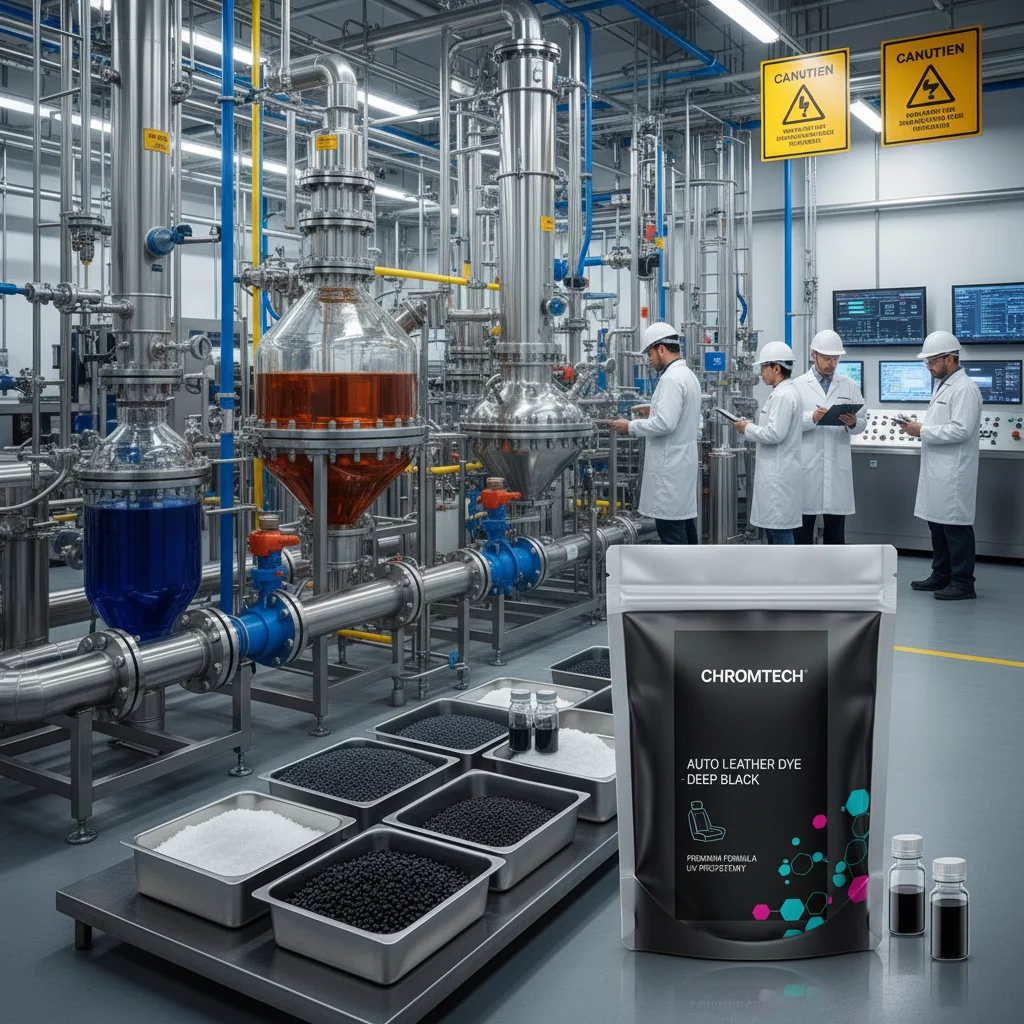
Revitalizing a worn leather sofa with a fresh coat of dye can breathe new life into your living space. Selecting the right black leather dye for sofa is crucial for achieving a professional, long-lasting finish. This guide will explore the types of dyes available, preparation techniques, application methods, and essential considerations for a successful restoration. Proper application not only enhances the appearance but also protects and extends the life of your leather furniture. Let's dive into the details and ensure your sofa looks its best. Several types of leather dyes cater to different needs and leather types. Dyeing with the right product is critical to avoid discoloration or damage. The most common include: dye penetrators, liquid dyes, and pigment dyes. Dye penetrators soak into the leather, changing the color from within, while liquid dyes offer a more surface-level color change. Pigment dyes sit on the surface and create a coating of color. Choosing the right type depends on the leather's finish and the desired level of color change.
Comprehensive Guide to Choosing the Best Black Leather Dye for Car Seats Restoration

Comprehensive Guide to Choosing the Best Black Leather Dye for Car Seats Restoration

March 14, 2026

Restoring or customizing your car seats with a fresh coat of leather dye can dramatically improve their appearance. Selecting the correct black leather dye for car seats is crucial for achieving a professional and long-lasting result. This article will guide you through the key considerations, types of dyes available, application techniques, and provide tips for ensuring optimal results. We’ll cover everything from preparation to finishing, helping you achieve a showroom-quality finish. There are several types of leather dyes available, each with its own advantages and disadvantages. The most common types include aniline dyes, semi-aniline dyes, pigment dyes, and acrylic dyes. Aniline dyes offer the most natural look but provide minimal protection. Semi-aniline dyes offer a balance of color and protection. Pigment dyes are the most durable and resistant to fading, but they can alter the texture of the leather. Acrylic dyes are a good option for restoring heavily damaged leather. Choosing the right type depends on the condition of your seats and the desired finish.
Comprehensive Guide to Nylon Dye Black Techniques and Optimal Results

Comprehensive Guide to Nylon Dye Black Techniques and Optimal Results

March 14, 2026
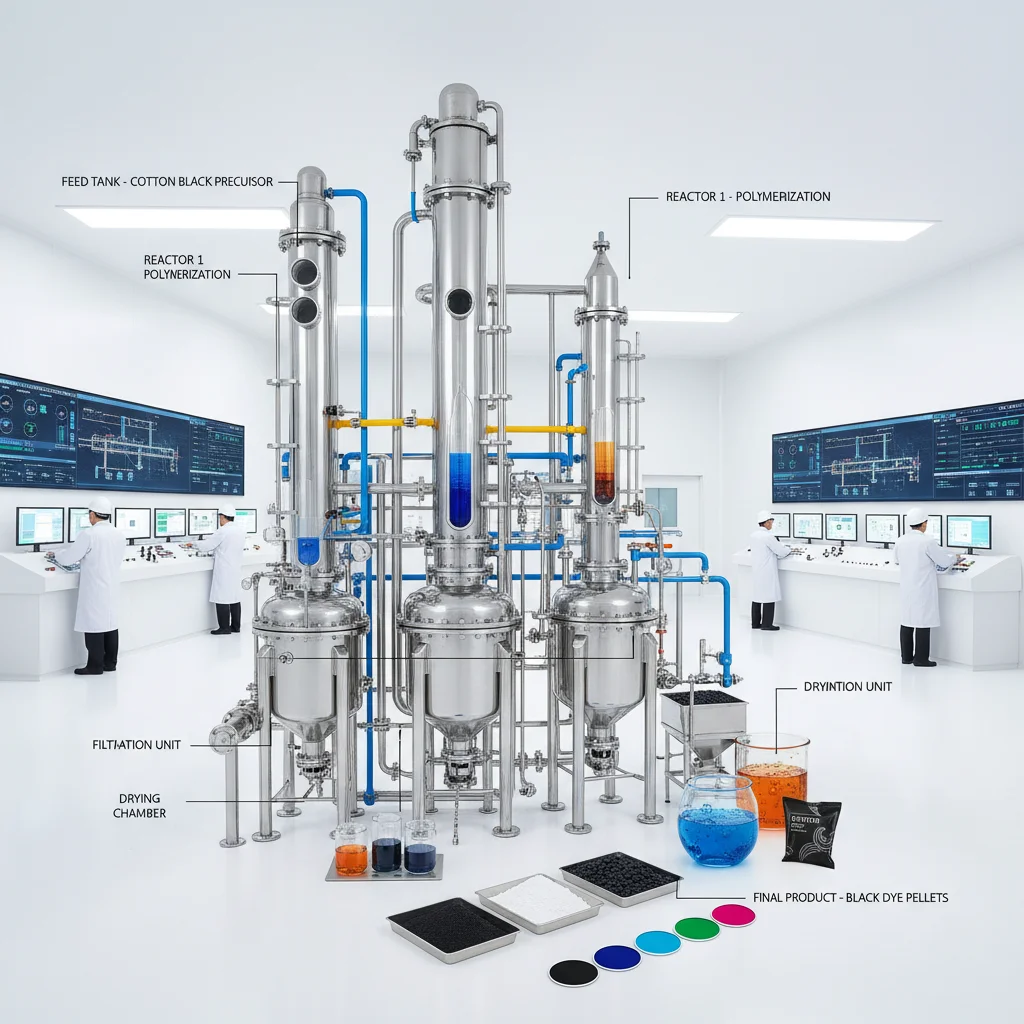
Nylon dye black refers to the process of coloring nylon fabrics using black dyes. This is a crucial aspect of the textile industry, influencing the aesthetic appeal and functional properties of a wide range of products. The choice of dye, dyeing method, and post-treatment processes all contribute to the final outcome. Understanding the nuances of nylon dye black is essential for manufacturers and consumers alike. This article delves into the techniques, considerations, and applications of dyeing nylon black, offering insights for achieving optimal results. Nylon is a polyamide, meaning it contains amide linkages in its molecular structure. These amide groups make nylon relatively receptive to a variety of dyes, but specific dye classes interact more effectively. For achieving a deep, lasting black color, acid dyes, reactive dyes, and disperse dyes are commonly used. Acid dyes bond with the nylon through ionic interactions, offering good wash fastness.
Achieving Deep Black Color on Cotton Clothes with the Right Dye Choice

Achieving Deep Black Color on Cotton Clothes with the Right Dye Choice

March 14, 2026
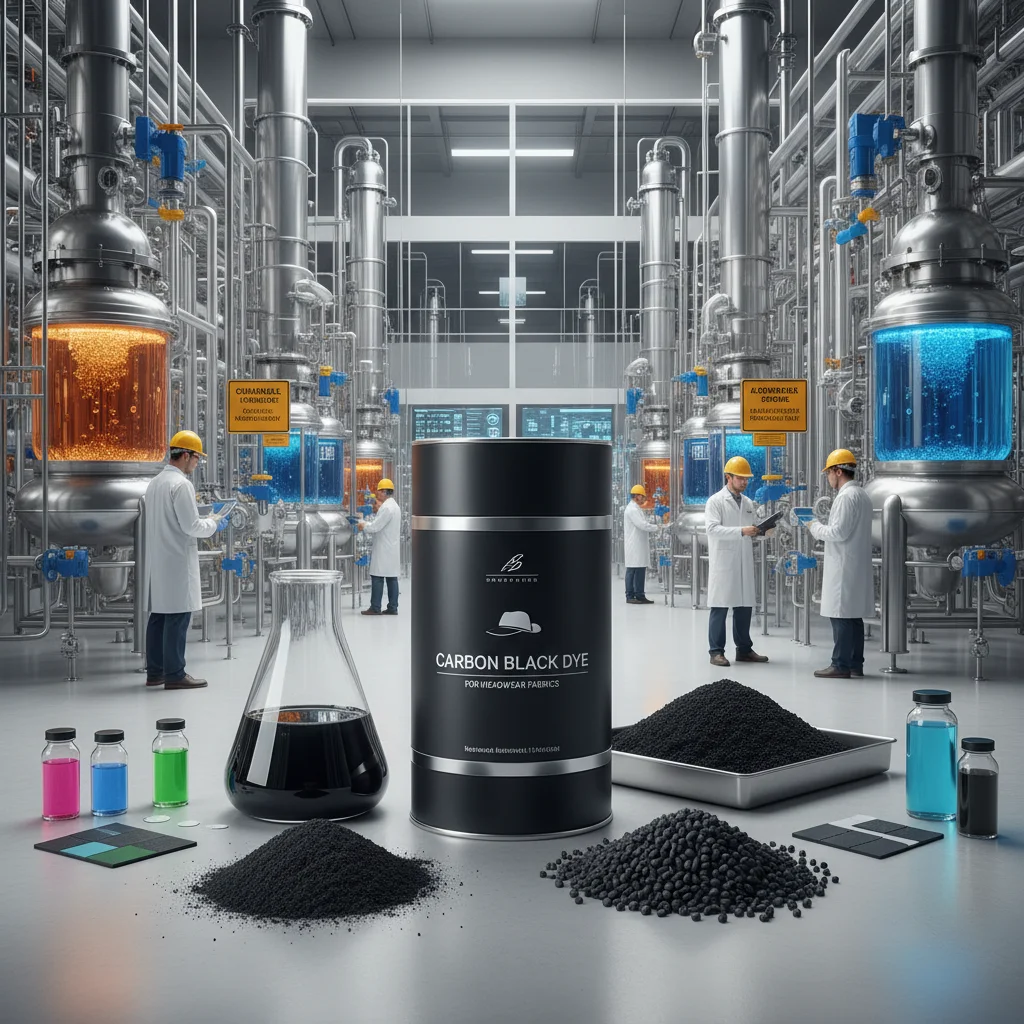
Selecting the perfect black dye for cotton clothes can seem daunting with the wide variety of options available. This guide will walk you through the essential factors to consider, from dye types to application methods, ensuring you achieve a deep, lasting black color. Whether you're dyeing clothes at home or in a commercial setting, understanding the nuances of cotton dyeing is crucial for a successful outcome. We'll explore different dye chemistries and their suitability for various cotton fabrics and desired finishes. Several dye types are commonly used for cotton, each with its own advantages and disadvantages. Reactive dyes are a popular choice due to their excellent colorfastness and ability to form a strong bond with cotton fibers. Direct dyes are simpler to use but generally have lower washfastness. Vat dyes offer exceptional durability and are often used for workwear and denim.
Comprehensive Guide to Choosing the Best Black Dye for Hats

Comprehensive Guide to Choosing the Best Black Dye for Hats

March 14, 2026
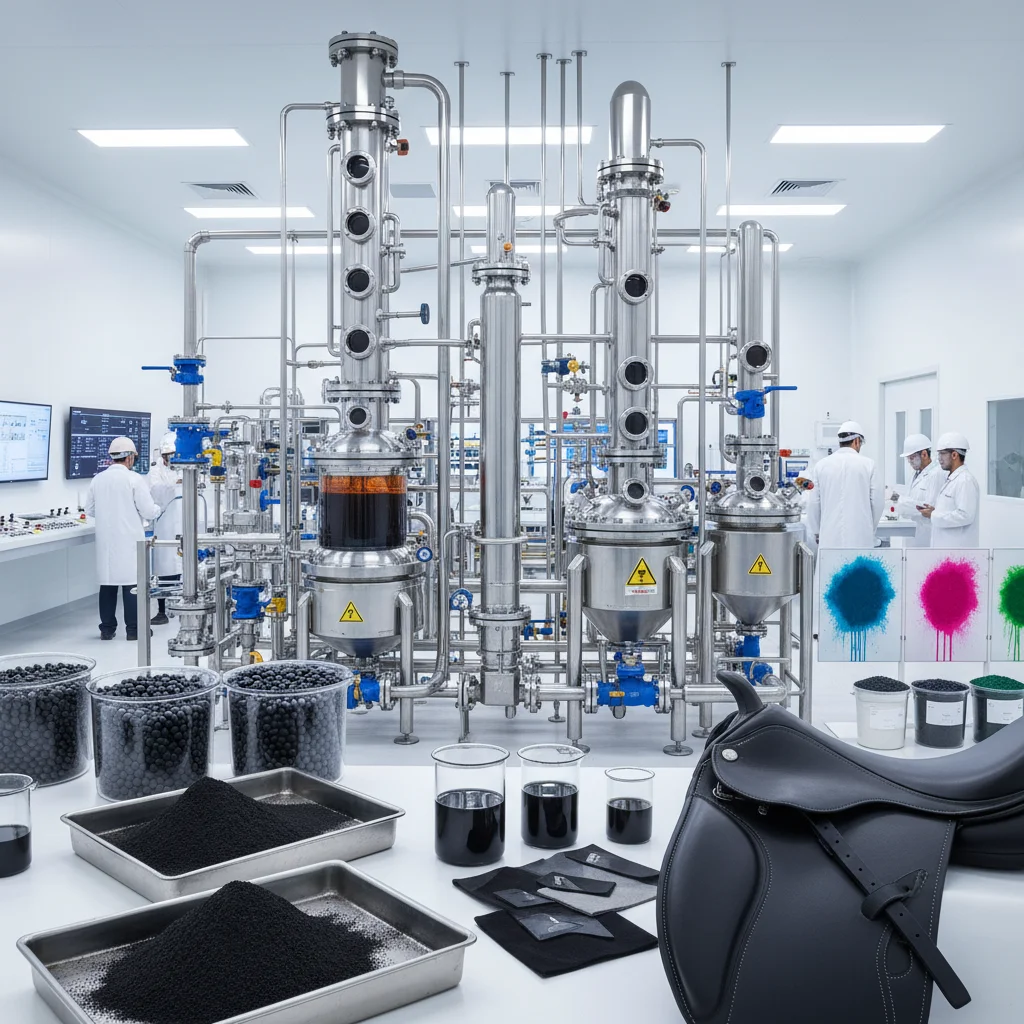
Selecting the perfect black dye for hats can be a surprisingly complex process. Different materials require different dye types to achieve optimal colorfastness and vibrancy. This guide will walk you through the key considerations, types of dyes available, and best practices for achieving professional-quality results. We'll cover everything from choosing the right dye for your hat material (cotton, wool, synthetic) to understanding colorfastness and application techniques. Finding the right dye ensures a lasting, high-quality finish. The first step in choosing a black dye for hats is identifying the material of your hat. Common materials include cotton, wool, acrylic, and polyester. Each requires a different type of dye for optimal results. Reactive dyes are excellent for cotton and other cellulose fibers, offering brilliant colors and excellent washfastness. Acid dyes are typically used for wool and silk, providing vibrant shades. Disperse dyes are the go-to choice for polyester and other synthetic fibers. Using the wrong dye will result in poor color uptake, fading, and an unprofessional finish. Proper dye selection is key to achieving a deep, lasting black.
Choosing the Best Black Leather Dye for Saddles and Restoration

Choosing the Best Black Leather Dye for Saddles and Restoration

March 14, 2026

Maintaining the beauty and longevity of leather saddles requires proper care, and a quality black leather dye for saddles is crucial. Selecting the right dye can restore faded color, cover scratches, and protect the leather from the elements. This article will delve into the key considerations when choosing a saddle dye, explore different types available, provide application tips, and introduce high-quality options from Dyeingchem. We’ll cover everything you need to know to keep your saddle looking its best for years to come. Black leather dyes aren’t one-size-fits-all. The two primary types are solvent-based and water-based dyes. Solvent-based dyes penetrate the leather deeply, providing a richer, more durable color. However, they can be harsher on the leather and require good ventilation during application. Water-based dyes are easier to use, cleaner, and more environmentally friendly, but they generally don’t penetrate as deeply as solvent-based options. Choosing the right type depends on the leather’s condition, your experience level, and your preference for environmental impact.
Comprehensive Guide to Choosing the Best Black Leather Dye for Jackets

Comprehensive Guide to Choosing the Best Black Leather Dye for Jackets

March 14, 2026
Restoring and recoloring a leather jacket can dramatically extend its life and enhance its appearance. Selecting the right black leather dye for jackets is crucial for achieving professional-looking results. This article provides a detailed overview of factors to consider, types of dyes available, application techniques, and expert tips to help you revitalize your leather apparel. From understanding leather types to troubleshooting common issues, we'll equip you with the knowledge to confidently tackle your leather dyeing project. Not all leather is created equal, and choosing a dye compatible with your jacket’s material is essential. Common leather types include aniline, semi-aniline, pigmented, and suede/nubuck. Aniline leather, being the most natural, requires dyes specifically designed for porous materials. Pigmented leather, with its protective coating, often needs dyes formulated to adhere to coated surfaces. Using the wrong dye can result in uneven color, poor adhesion, or damage to the leather. Before beginning, always identify your leather type and select a dye accordingly.

If you are interested in our products, you can choose to leave your information here, and we will be in touch with you shortly.