




textile auxiliaries manufacturer
reducing agent meaning
reducing agent definition
strong reducing agents examples

NEWS

NEWS

Transform Your Leather Goods with Stunning Black Cherry Leather Dye Techniques

Transform Your Leather Goods with Stunning Black Cherry Leather Dye Techniques

March 14, 2026
Looking to transform your leather goods with a vibrant, sophisticated color? Black cherry leather dye offers a stunning, deep red hue reminiscent of the fruit it’s named after. This article will explore the world of black cherry leather dye, covering its applications, benefits, techniques, and where to source high-quality products. We'll delve into what makes this dye a popular choice for both professionals and DIY enthusiasts. Black cherry leather dye isn’t just a single shade; it's a spectrum. The final color achieved depends on several factors, including the type of leather, the dye formulation, and the number of coats applied. Generally, this dye leans towards a deep, slightly purplish red. It’s favored for projects where a bold, noticeable color is desired, such as jackets, bags, wallets, and shoes. Different dye bases like alcohol-based, water-based and oil-based provide different levels of penetration and finish. Dyeingchem offers a comprehensive range of options to suit your project needs. Black cherry leather dye offers a vibrant, deep red hue. The final color is influenced by leather type, dye formulation, and application technique. Available in various dye bases to suit different projects.
Revitalize Your Car Seats with Professional Black Seat Dye Solutions

Revitalize Your Car Seats with Professional Black Seat Dye Solutions

March 12, 2026

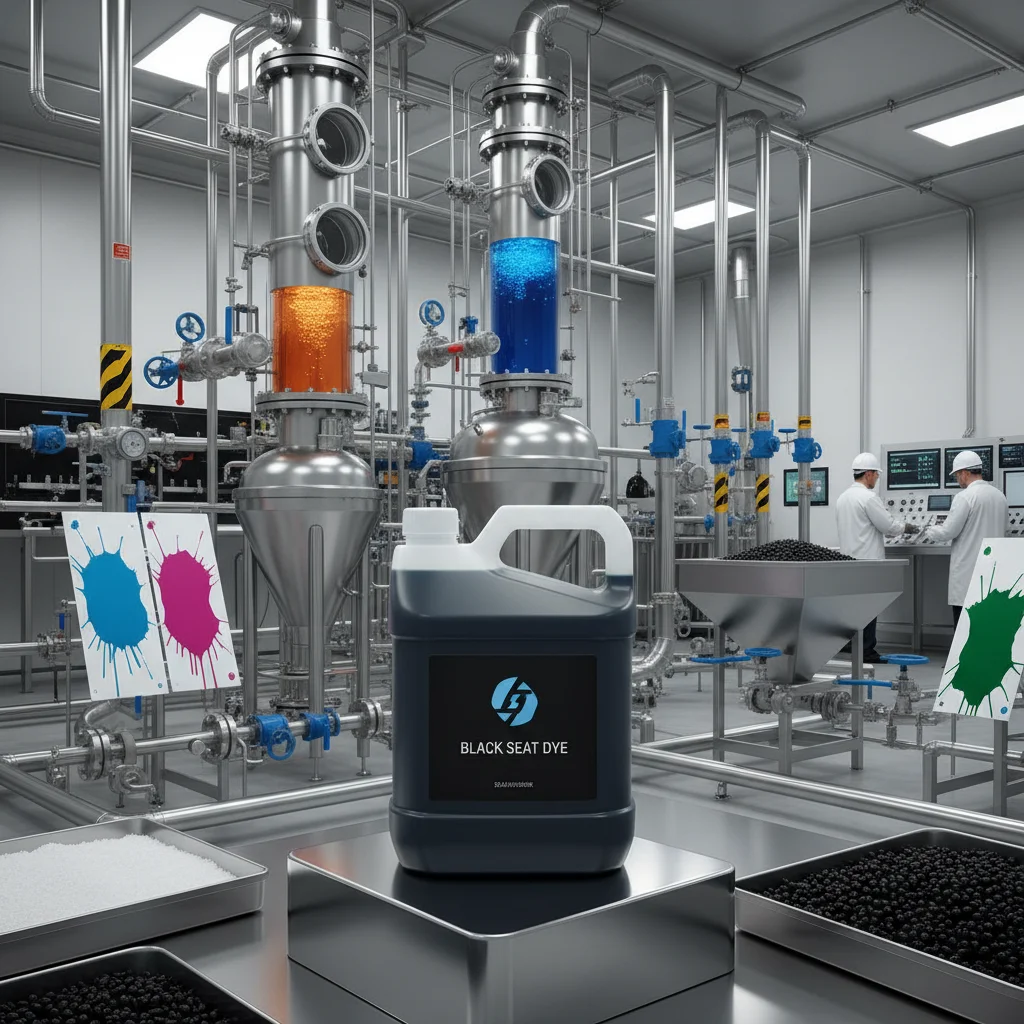
Is your car, motorcycle, or furniture showing its age with faded or worn seats? Black seat dye offers a cost-effective and surprisingly effective solution to restore their original beauty. This guide will delve into the world of seat dyes, covering everything from types and applications to tips for achieving professional-looking results. We'll explore the benefits of using high-quality dyes from a trusted supplier like Dyeingchem, and help you choose the right product for your needs. Not all black seat dyes are created equal. The two primary types are water-based and solvent-based. Water-based dyes are generally lower in VOCs (Volatile Organic Compounds), making them more environmentally friendly and easier to clean up. However, they often require more coats for full coverage. Solvent-based dyes penetrate deeper into the material, offering excellent durability and colorfastness, but they require proper ventilation and safety precautions during application.
Comprehensive Guide to Black Fabric Dye Types and Application Methods

Comprehensive Guide to Black Fabric Dye Types and Application Methods

March 12, 2026

Black fabric dye is a versatile and essential component in the textile industry, used to impart a rich, deep black color to a wide range of fabrics. From fashion apparel to industrial textiles, the demand for high-quality black dye remains consistently high. This article provides a detailed overview of black fabric dye, covering different types, application methods, considerations for choosing the right dye, and where to source premium quality options. Whether you’re a textile manufacturer, a DIY enthusiast, or simply curious about the process, this guide will offer valuable insights. Explore our range of high-performance dyes at Dyeingchem.com. Several types of dyes are used to achieve black coloration in fabrics. The choice depends on the fabric type, desired color fastness, and cost considerations. Common types include: Reactive Dyes, ideal for cotton and other cellulosic fibers, offering excellent wash fastness; Disperse Dyes, suited for polyester and other synthetic fibers, providing good lightfastness; Acid Dyes, commonly used for nylon, silk, and wool, resulting in vibrant colors; and Direct Dyes, a cost-effective option for cotton, though typically with lower wash fastness.
Restore Your Car’s Interior with Premium Black Leather Seat Dye

Restore Your Car’s Interior with Premium Black Leather Seat Dye

March 12, 2026
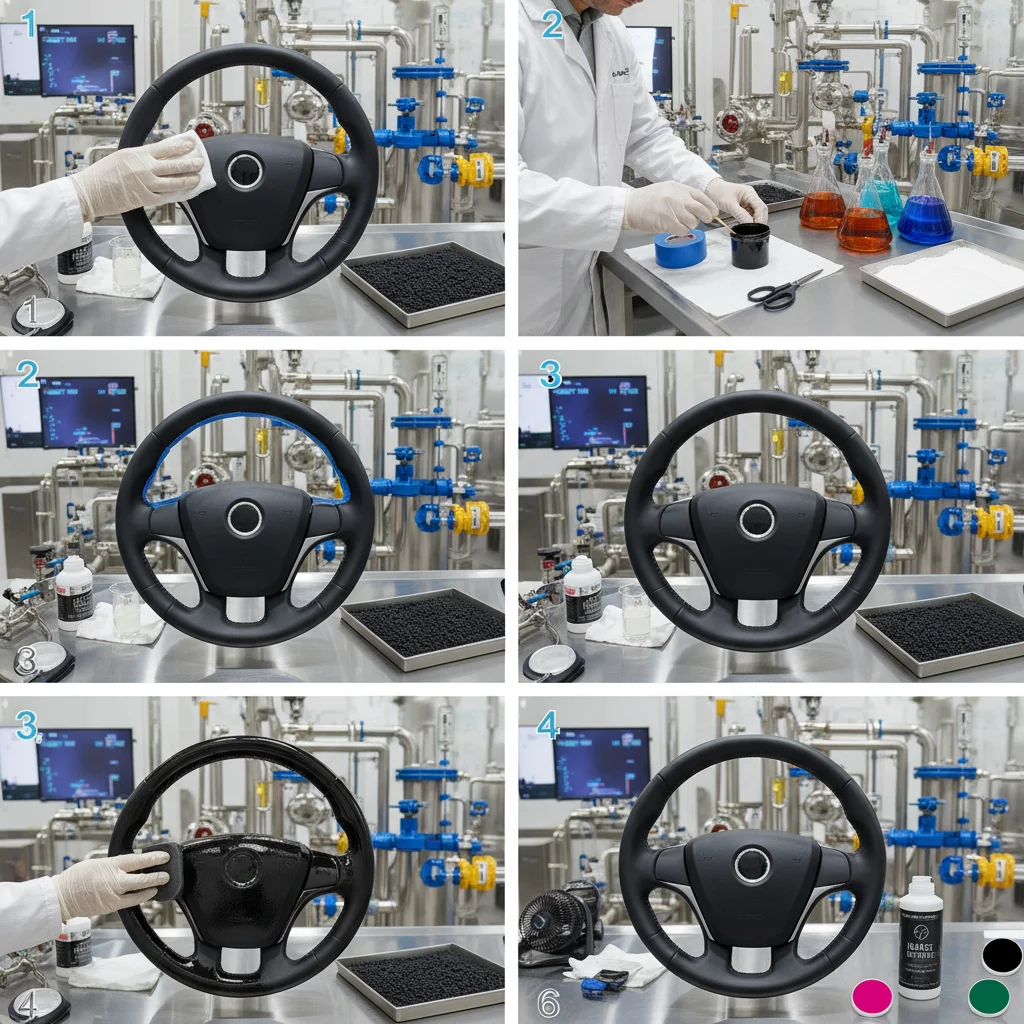
Is your car’s leather interior looking faded, cracked, or worn? Don’t despair! Black leather seat dye is a fantastic solution to restore the rich, luxurious appearance of your seats. At Dyeingchem.com, we specialize in high-quality dyes and solutions for all your leather restoration needs. This article will guide you through everything you need to know about choosing and applying black leather seat dye, ensuring a professional-looking finish. Let's dive in and bring your leather back to life! Not all black leather seat dyes are created equal. There are several types available, each with its own benefits and drawbacks. Understanding these differences is crucial for achieving the best results. Common types include: Dye-based dyes: Penetrate the leather deeply for a long-lasting color change. Pigment-based dyes: Sit on the surface of the leather, offering a quicker application but potentially less durability. Acrylic dyes: Provide a flexible finish, suitable for areas prone to flexing. Choosing the right type depends on the extent of the damage and your desired outcome. Dyeingchem.com offers a range of options to suit every need. Proper preparation is paramount for a successful dye application. Failing to prepare adequately can lead to uneven color, poor adhesion, and a less-than-desirable finish. Here’s a breakdown of the essential steps: Cleaning: Thoroughly clean the leather with a dedicated leather cleaner to remove dirt, grime, and oils. Deglazing: Use a leather deglazer to remove any existing finishes or coatings. Sanding (if needed): For heavily damaged leather, gently sand the surface to create a smooth base. Masking: Protect surrounding areas (carpet, trim, etc.) with painter’s tape and plastic sheeting.
Restore Your Steering Wheel with Premium Black Leather Steering Wheel Dye

Restore Your Steering Wheel with Premium Black Leather Steering Wheel Dye

March 12, 2026
Is your once-luxurious black leather steering wheel looking faded, worn, or cracked? Don't resign yourself to a costly replacement! With the right black leather steering wheel dye, you can restore its original beauty and protect it for years to come. This guide will cover everything from choosing the best dye to application techniques, ensuring a professional-looking finish. Maintaining the look and feel of your vehicle's interior is a rewarding investment, and restoring your steering wheel is a great place to start. Dyeingchem offers premium dyes and solutions for all your leather restoration needs. Several types of dyes cater to leather restoration. For steering wheels, the most common are dye creams, liquid dyes, and aerosols. Dye creams offer excellent penetration and are ideal for heavily worn or faded leather. Liquid dyes are versatile and good for uniform color application.
Understanding Black Liquid Dye Applications and Selection Considerations

Understanding Black Liquid Dye Applications and Selection Considerations

March 12, 2026
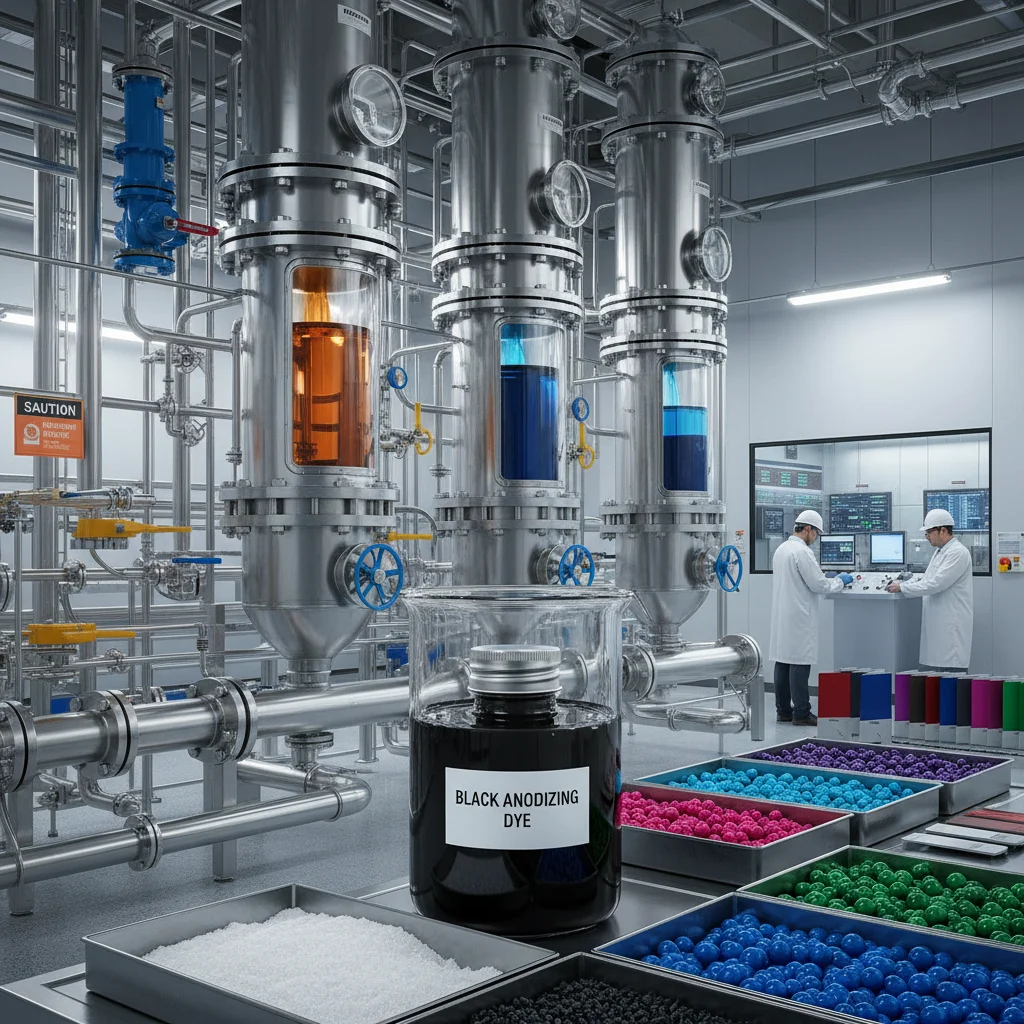
Black liquid dye is a versatile colorant widely used across various industries, including textiles, leather, paper, and even certain cosmetic applications. Its ability to provide deep, rich black shades makes it a popular choice for achieving striking visual effects. Choosing the right black liquid dye depends on the specific application, material being dyed, and desired properties like lightfastness and washability. This article delves into the characteristics, applications, and key considerations when selecting and using black liquid dye. Black liquid dyes aren’t a single entity; they come in several formulations, each suited for different purposes. Common types include azo dyes, sulfur dyes, and reactive dyes. Azo dyes are known for their brightness and cost-effectiveness, while sulfur dyes offer excellent washfastness, though with potentially lower brightness. Reactive dyes form a chemical bond with the fiber, resulting in superior color retention and resistance to fading. The applications of black liquid dye are extensive. In the textile industry, it’s used to dye cotton, polyester, nylon, and other fabrics for clothing, home furnishings, and industrial textiles. The leather industry utilizes it for coloring shoes, bags, and upholstery. Paper mills employ it for creating black paper products, and the cosmetic industry uses specific formulations (meeting stringent safety standards) for hair dyes and other colorants.
Comprehensive Guide to Black Anodizing Dye for Enhanced Aluminum Finishing

Comprehensive Guide to Black Anodizing Dye for Enhanced Aluminum Finishing

March 12, 2026

Black anodizing dye is a crucial component in the aluminum finishing process, providing both aesthetic appeal and enhanced corrosion resistance. At Dyeingchem, we specialize in high-quality dyes for a wide range of industrial applications. This article will delve into the science behind black anodizing, its benefits, applications, and considerations for selecting the right dye. Understanding the intricacies of this process is essential for achieving optimal results and ensuring long-lasting protection for your aluminum products. Anodizing is an electrochemical process that converts the metal surface into a durable, corrosion-resistant anodic oxide finish. This process, however, creates a porous surface. That’s where the dye comes in. The dye doesn't create the anodized layer, it colors it. Black anodizing dye penetrates these pores, providing color and enhancing the sealing process. Without dye, the anodized layer would be colorless. The resulting black finish is not just visually appealing but also improves the surface's resistance to wear, corrosion, and UV degradation.
Achieving Deep and Lasting Color with Black Wool Dye A Comprehensive Guide

Achieving Deep and Lasting Color with Black Wool Dye A Comprehensive Guide

March 12, 2026
Selecting the right dye for wool is crucial for achieving vibrant, long-lasting color. Black wool dye, in particular, demands careful consideration due to the complexity of achieving a true, even black that resists fading. This article will explore the intricacies of black wool dyeing, covering different dye types, application techniques, and factors influencing the final result. We'll delve into achieving a deep, rich black, addressing common challenges and providing insights to ensure a successful dyeing project. Several dye classes can be used for wool, each with its own characteristics. Acid dyes are the most common, offering a wide range of shades and excellent colorfastness. Reactive dyes create a chemical bond with the wool fiber, resulting in exceptional washfastness, but require more technical expertise. Natural dyes, sourced from plants and minerals, provide unique, muted tones but often demand mordants for fixation. Choosing the right dye depends on your desired result, budget, and experience level.
Revitalize and Restore Leather Boots with Premium Black Boot Dye

Revitalize and Restore Leather Boots with Premium Black Boot Dye

March 12, 2026
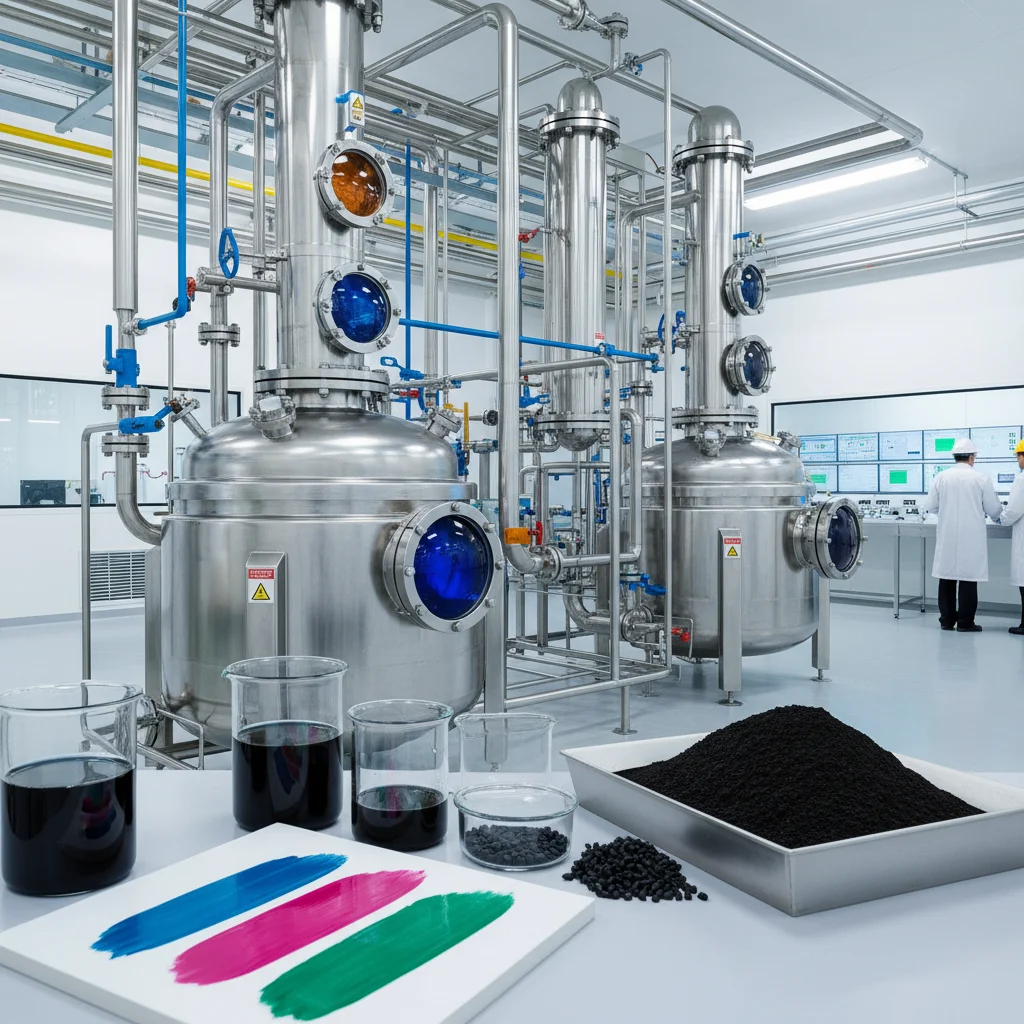
Are your leather boots looking faded and worn? Don't despair! Black boot dye offers a fantastic solution to restore their original color and extend their lifespan. This article will provide a comprehensive overview of black boot dye, covering types, application techniques, and tips for achieving professional-looking results. We’ll explore how to choose the right dye for your leather type and ensure a long-lasting, vibrant finish. Giving your boots a new lease on life has never been easier! Black boot dye isn't a one-size-fits-all product. Different types cater to various leather finishes and desired outcomes. The main categories include: dye creams, which penetrate the leather for a long-lasting color change; liquid dyes, suitable for large surfaces and offering a more uniform application; and polishes, which provide surface color and shine but offer less penetration. Choosing the correct type is crucial for achieving the best results. For example, a cream dye will be ideal for heavily worn boots needing significant color restoration, while a liquid dye works best on boots needing a refresh.
Comprehensive Guide to Black Acid Dyes for Optimal Textile Coloration

Comprehensive Guide to Black Acid Dyes for Optimal Textile Coloration

March 12, 2026

Black acid dyes are a critical class of colorants used extensively in the textile industry, particularly for dyeing protein fibers like wool, silk, and nylon. Their versatility, relatively low cost, and ability to produce deep, rich black shades make them a staple in the coloration of numerous textile products. This article will delve into the chemistry, applications, advantages, and considerations when using black acid dyes. We'll explore different types, factors influencing dye selection, and best practices for achieving optimal results. Dyeingchem.com provides a wide range of high-quality acid dyes to meet various textile dyeing needs. Black acid dyes are anionic dyes, meaning they carry a negative charge. This allows them to bind to positively charged sites on protein fibers. The dyeing process typically occurs in an acidic bath, hence the name "acid dye." Different types of black acid dyes are available, each with unique characteristics and suitability for specific applications. These include leveling black dyes, milling black dyes, and super milling black dyes, distinguished by their molecular size and diffusion rate.
Exploring Black Resin Dye Applications and Benefits for Industrial Uses

Exploring Black Resin Dye Applications and Benefits for Industrial Uses

March 12, 2026
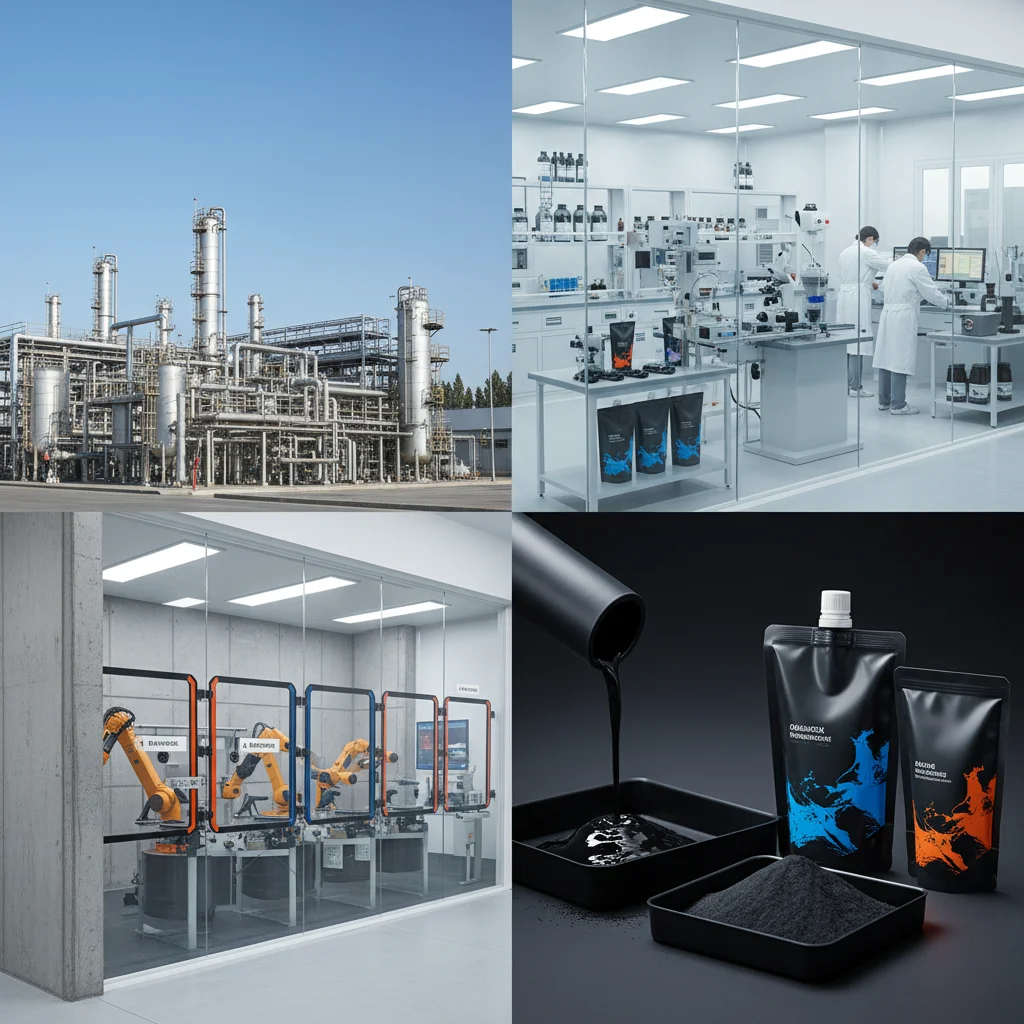
Black resin dye is a crucial component in a wide array of industrial applications, offering vibrant coloration and performance-enhancing properties to various resin systems. From plastics and coatings to inks and adhesives, this dye provides deep, consistent black hues. Understanding its properties, uses, and best practices is essential for achieving optimal results. At Dyeingchem, we specialize in high-quality resin dyes, including a diverse range of black options tailored to specific industrial needs. This article will delve into the world of black resin dye, exploring its characteristics, applications, and the factors to consider when selecting the right product for your project. Black resin dye isn’t a single substance but rather a formulation of organic pigments or dyes specifically designed for incorporation into resin systems. These dyes are engineered to disperse uniformly within the resin, providing intense and lasting color. Unlike pigments, which are insoluble particles, dyes dissolve in the resin, leading to greater transparency and brilliance in certain applications.
Exploring Black Colour Dye Applications Types and Sustainable Innovations

Exploring Black Colour Dye Applications Types and Sustainable Innovations

March 11, 2026

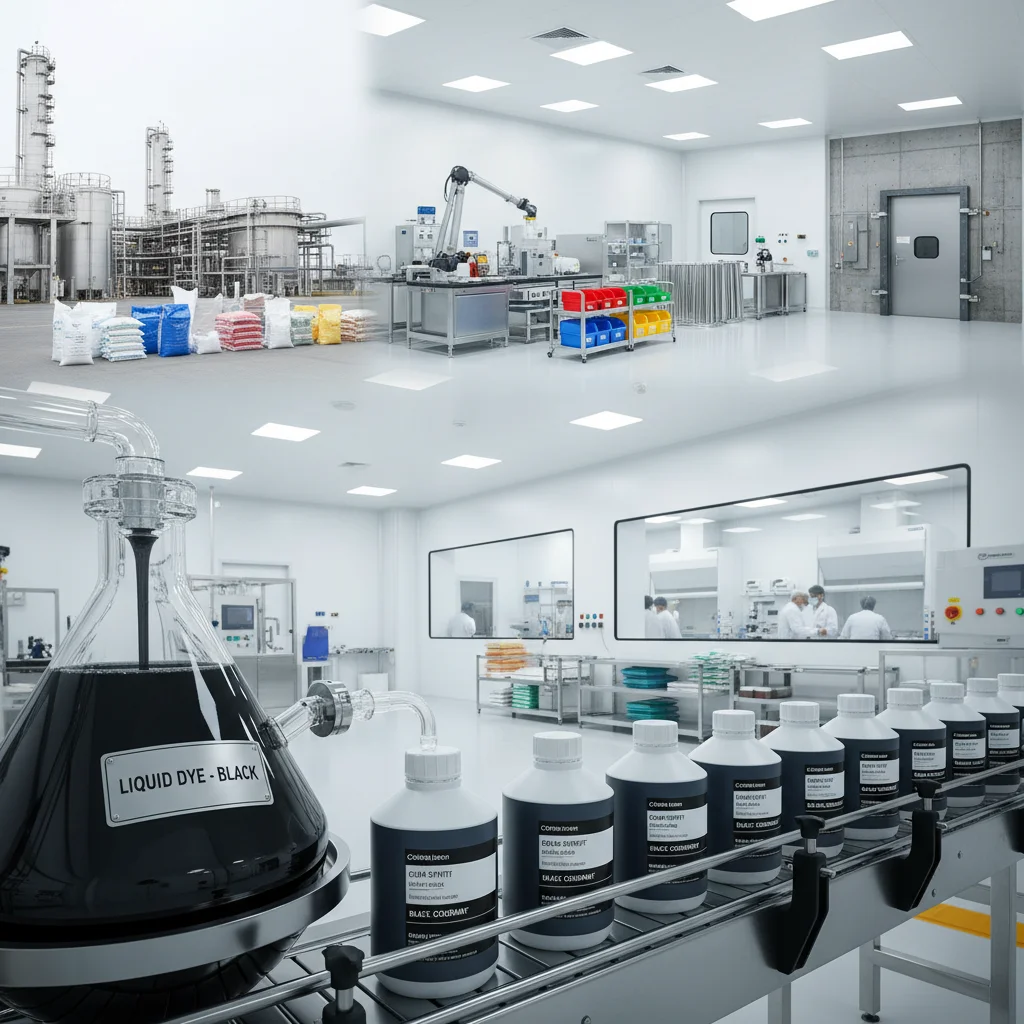
Black colour dye is a foundational component across countless industries, from textiles and leather to plastics and even food coloring. Its versatility and ability to create a deep, rich shade make it an indispensable ingredient. This article will delve into the world of black dyes, exploring their types, applications, challenges, and the latest innovations. We'll examine how Dyeingchem provides high-quality black dyes to meet diverse industrial needs. Choosing the right black dye is crucial for achieving desired colorfastness and performance characteristics. Black dyes aren't a single entity; they are complex mixtures of various colorants. Common types include azo dyes, anthraquinone dyes, and reactive dyes. Azo dyes are known for their cost-effectiveness and vibrant shades but can have limitations in lightfastness. Anthraquinone dyes offer superior lightfastness and are widely used in high-performance applications. Reactive dyes form a chemical bond with the material, resulting in excellent wash fastness, particularly for cellulosic fibers like cotton. Selecting the appropriate type depends on the substrate being dyed, the desired performance characteristics, and budget considerations.
Understanding Black Color Dye Applications and Selection Considerations

Understanding Black Color Dye Applications and Selection Considerations

March 11, 2026
Black color dye is a versatile and widely used coloring agent across numerous industries. Its ability to provide deep, rich shades of black makes it essential for textiles, plastics, leather, and beyond. However, choosing the right black dye requires careful consideration of factors like application method, material compatibility, and desired fastness properties. This article explores the various types of black dyes, their applications, and crucial factors to consider when making a selection. We’ll delve into both common and specialized black dyes available from Dyeingchem, a trusted supplier of high-quality dyes. The term "black dye" encompasses a range of chemical compositions, each with unique properties and suited to different materials. Common types include: Acid Dyes, typically used for wool, silk, and nylon; Direct Dyes, applied to cotton, rayon, and paper; Reactive Dyes, forming a covalent bond with the fiber for excellent wash fastness, also frequently used on cotton; Disperse Dyes, ideal for polyester and acetate; and Sulphur Dyes, known for their good wash fastness and cost-effectiveness, often used on cotton.

If you are interested in our products, you can choose to leave your information here, and we will be in touch with you shortly.