All reducing agents are fundamental to a vast array of industrial processes and environmental applications, impacting everything from water purification to the production of essential chemicals. Understanding their properties and applications is crucial for innovation and sustainability in a world facing increasing resource constraints and environmental challenges. The effective utilization of all reducing agents enables efficient production, minimizes waste, and contributes to cleaner, more sustainable practices globally.
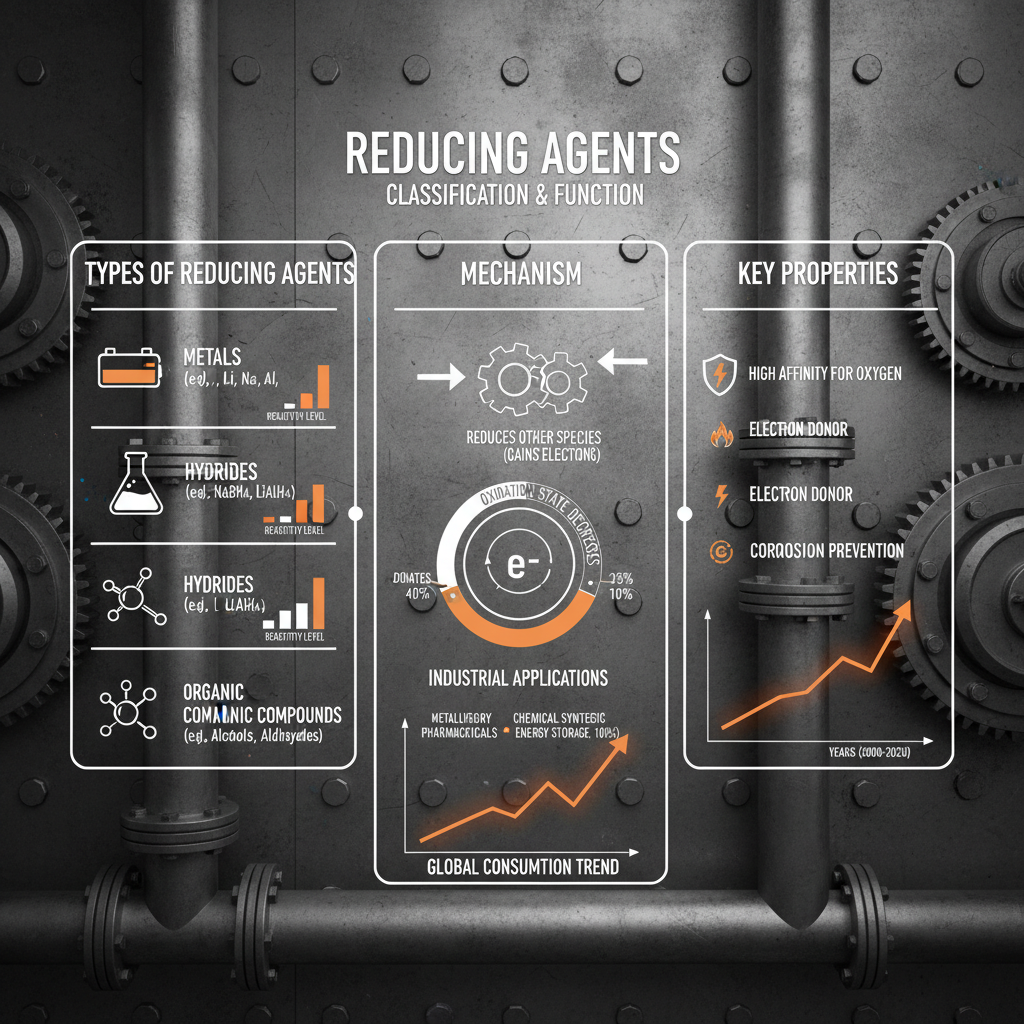
The global demand for all reducing agents is directly linked to industrial growth, particularly in sectors like textiles, pharmaceuticals, and wastewater treatment. The United Nations Sustainable Development Goals (SDGs), especially those related to clean water and sanitation (SDG 6) and responsible consumption and production (SDG 12), heavily rely on the efficient use of these agents. Market analysis indicates a consistent upward trend in demand, driven by stricter environmental regulations and a growing emphasis on sustainable practices worldwide.
Addressing challenges related to the efficient and environmentally friendly application of all reducing agents is paramount. The need for innovation in reducing agent development, optimized application techniques, and responsible waste management continues to grow, creating opportunities for researchers, engineers, and policymakers alike. Ultimately, a comprehensive understanding of all reducing agents is vital for progress in diverse fields and a more sustainable future.

Introduction to all reducing agents
All reducing agents play a critical role in a multitude of chemical processes, fundamentally altering the oxidation states of substances through the donation of electrons. These agents are vital across diverse sectors, including industrial manufacturing, environmental remediation, and even biological systems. The choice of all reducing agents is dictated by specific application needs, considering factors such as efficiency, cost, environmental impact, and safety.
The ongoing research and development surrounding all reducing agents focuses on creating more sustainable and efficient options. Innovations include the exploration of bio-based reducing agents and the optimization of existing chemical processes to minimize waste and energy consumption. A thorough understanding of their behavior and application is essential for maximizing their benefits while mitigating potential risks.
Defining all reducing agents
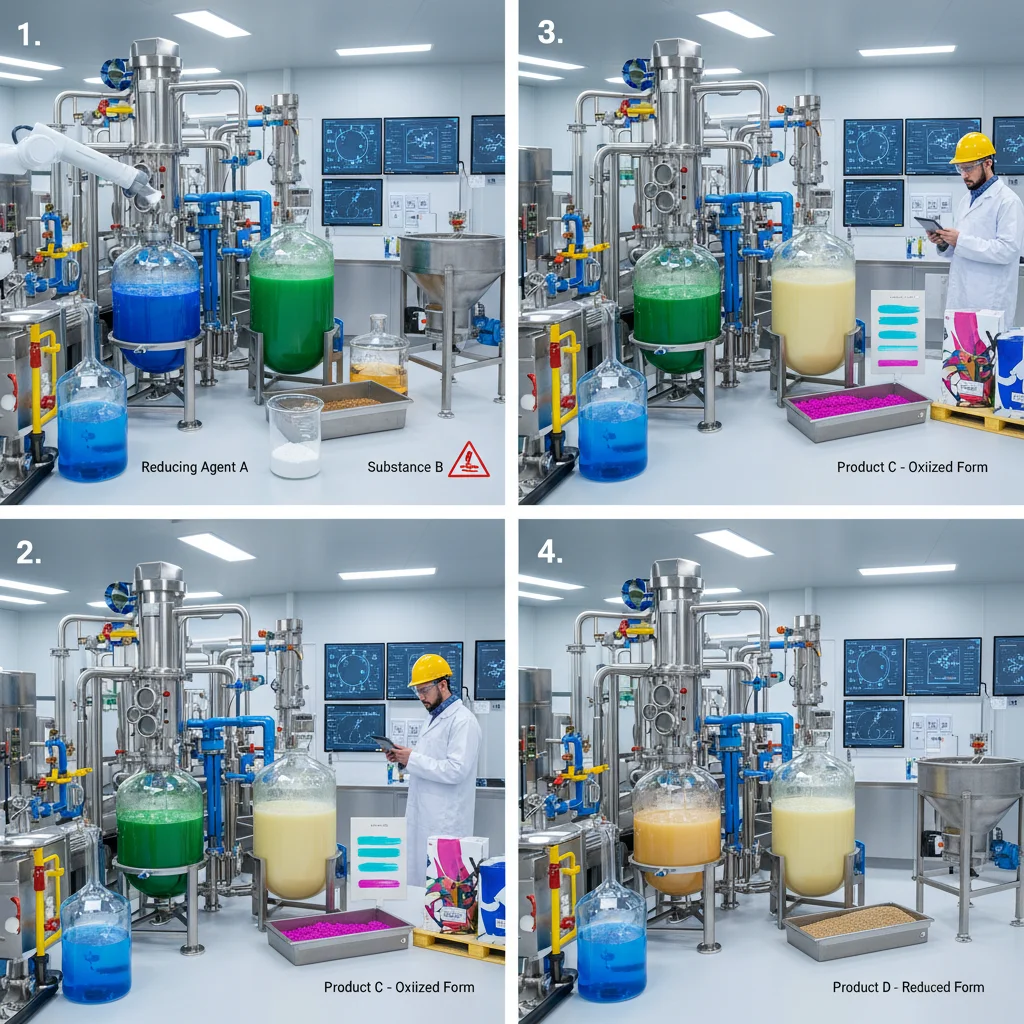
Simply put, all reducing agents are substances that donate electrons to other substances in a chemical reaction, causing the reduction of those substances. This electron donation lowers the oxidation state of the recipient molecule. Common examples include metallic sodium, hydrogen gas, and various compounds containing sulfur. The strength of a reducing agent is determined by its tendency to lose electrons, measured by its reduction potential.
The connection to modern industry is profound. All reducing agents are indispensable in the production of plastics, pharmaceuticals, and fertilizers. For example, the Haber-Bosch process, a cornerstone of modern agriculture, utilizes an all reducing agent (iron) to facilitate the synthesis of ammonia. Without these agents, many essential industrial processes would be impossible.
In humanitarian contexts, all reducing agents are essential for water purification. Reducing agents can remove harmful contaminants like chlorine and heavy metals from water sources, making them safe for consumption. Their portability and effectiveness make them invaluable in disaster relief and emergency situations, providing access to clean water where it is most needed. You can find a comprehensive overview of all reducing agents available today.
Core Properties of all reducing agents
The efficacy of all reducing agents is intrinsically linked to their reduction potential, a measure of their tendency to donate electrons. A stronger reducing agent possesses a more negative reduction potential. Another key property is their stability – a stable reducing agent can be stored and handled safely without significant degradation. The solubility of all reducing agents in the reaction medium also plays a crucial role, ensuring proper mixing and interaction with the target substances.
Reactivity is a crucial consideration. Different all reducing agents exhibit varying levels of reactivity depending on the specific substance they are interacting with. Understanding this reactivity is vital for optimizing reaction conditions and preventing unwanted side effects. Furthermore, the cost-effectiveness and availability of an all reducing agent significantly influence its practical applications in large-scale industrial processes.
Finally, environmental considerations are increasingly important. The toxicity and biodegradability of all reducing agents must be evaluated to minimize their impact on the environment. Researchers are actively seeking greener alternatives with lower environmental footprints, moving towards sustainable chemical practices.
Key Factors Influencing all reducing agents Effectiveness
Temperature significantly impacts the effectiveness of all reducing agents. Generally, higher temperatures accelerate reaction rates, enhancing the reducing power. However, exceeding optimal temperature ranges can lead to decomposition of the reducing agent or unwanted side reactions. pH levels also play a critical role, as they influence the ionization state and reactivity of many all reducing agents.
The concentration of the all reducing agent is a direct factor in the reaction's speed and completeness. Higher concentrations generally result in faster reactions, but also increase the risk of over-reduction or the formation of undesirable byproducts. The presence of catalysts can dramatically enhance the efficiency of all reducing agents, lowering the activation energy required for the reaction to proceed.
Comparative Effectiveness of Different all reducing agents Methods
Global Applications of all reducing agents
The textile industry heavily relies on all reducing agents for dyeing and finishing processes, particularly in the reduction of indigo dyes. The pharmaceutical industry utilizes them in the synthesis of various drugs and active pharmaceutical ingredients (APIs). Wastewater treatment plants employ all reducing agents to remove pollutants and disinfect water sources.
In regions with significant industrial activity, such as China, India, and the United States, the demand for all reducing agents is particularly high. Organizations like the World Health Organization (WHO) also utilize all reducing agents in water purification initiatives in developing countries. Moreover, the mining industry employs all reducing agents in the extraction and refining of metals.
Advantages of Using all reducing agents
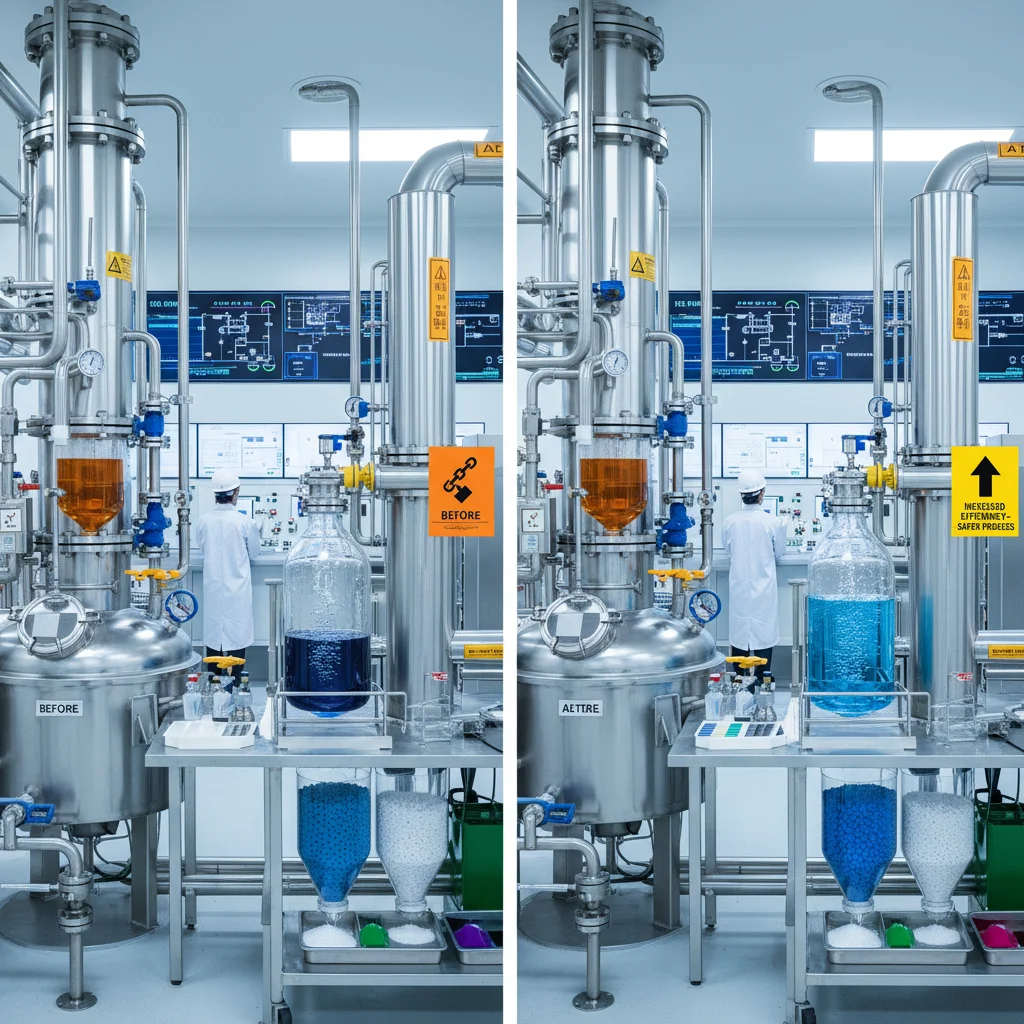
The primary advantage of utilizing all reducing agents lies in their ability to facilitate efficient chemical transformations, leading to increased production yields and reduced waste. They often offer cost-effective solutions compared to alternative processes, particularly when considering their impact on overall efficiency. Furthermore, optimized use of all reducing agents can significantly enhance product quality and purity.
From a sustainability standpoint, innovative all reducing agents contribute to cleaner production processes, minimizing environmental impact and promoting responsible resource management. The enhanced safety profiles of newer agents also contribute to a more secure working environment for personnel involved in these processes.
Future Trends in all reducing agents Technology
The development of bio-based all reducing agents derived from renewable resources represents a significant trend, offering a sustainable alternative to traditional chemical reducing agents. Nanotechnology is also playing an increasingly important role, with researchers exploring the use of nanomaterials as highly efficient and selective reducing agents. Automation and process control technologies are being integrated to optimize the application of all reducing agents, minimizing waste and maximizing efficiency.
Digital transformation, incorporating machine learning and artificial intelligence, is enabling predictive modeling of reaction outcomes and the development of customized all reducing agent solutions. Furthermore, the increasing focus on circular economy principles is driving the development of closed-loop systems for the recovery and reuse of all reducing agents.
These advancements align with global initiatives promoting green chemistry and sustainable manufacturing practices. The future of all reducing agents is undoubtedly linked to innovation, sustainability, and a commitment to minimizing environmental impact. Finding comprehensive details on these innovations can be done by researching all reducing agents.
FAQS
The primary safety concerns vary depending on the specific all reducing agent, but generally include corrosivity, flammability, and reactivity with other substances. Always wear appropriate personal protective equipment (PPE) like gloves, goggles, and respirators. Ensure adequate ventilation and follow strict storage guidelines to prevent accidents or spills. Refer to the Safety Data Sheet (SDS) for detailed information on specific hazards and handling procedures.
Determining the optimal dosage involves considering several factors, including the concentration of the target substance, reaction temperature, pH level, and desired reaction rate. Start with small-scale tests to assess the reducing agent’s impact and gradually increase the dosage while monitoring the reaction progress. Analytical techniques can be used to measure the extent of reduction and refine the dosage accordingly.
Yes, the development of eco-friendly alternatives is a growing area of research. Bio-based all reducing agents, derived from renewable resources like plant extracts or microbial fermentation, are becoming increasingly available. Electrochemical reduction methods, utilizing electricity instead of chemical reagents, are also gaining traction as sustainable alternatives.
Improper disposal can pose significant environmental risks. Waste containing all reducing agents should be handled as hazardous waste and disposed of according to local regulations. Neutralization or chemical treatment may be required to render the waste less harmful before disposal. Consult with a qualified waste management professional for guidance.
While both reducing agents and antioxidants donate electrons, they operate in different contexts. Reducing agents are typically used in chemical reactions to reduce another substance, while antioxidants prevent oxidation, often in biological systems or to preserve materials. Some substances can act as both, depending on the environment and reaction conditions.
Stability depends on the specific agent, but generally involves storing them in airtight containers, protected from light, heat, and moisture. Some all reducing agents require refrigeration. Regular quality control checks are recommended to ensure their potency hasn't diminished over time. Always follow the manufacturer's storage instructions.
Conclusion
In conclusion, all reducing agents are indispensable components of modern industry and environmental science. Their ability to facilitate essential chemical transformations, combined with ongoing innovation in sustainable alternatives, ensures their continued relevance in addressing global challenges. Understanding their properties, applications, and safety considerations is crucial for optimizing their use and maximizing their benefits.
Looking ahead, the development of greener and more efficient all reducing agents, coupled with advanced process control technologies, will be key to achieving sustainable development goals. Continued research and collaboration between scientists, engineers, and policymakers are essential for unlocking the full potential of these vital substances and ensuring a cleaner, more sustainable future. To learn more about the variety of all reducing agents available, visit our website.