0%

Table of Contents

oxidation and reducing agent are fundamental concepts in chemistry with far-reaching implications across numerous industries and environmental processes. Understanding these principles is crucial for advancements in areas like energy production, materials science, and pollution control. The ability to control and manipulate oxidation and reduction reactions is central to developing innovative technologies and sustainable practices. This knowledge is not just confined to laboratories; it impacts everything from the food we eat to the air we breathe, driving progress towards a more efficient and environmentally conscious future.

Globally, the demand for efficient and sustainable chemical processes incorporating understanding of oxidation and reducing agent is constantly rising, driven by tightening environmental regulations and the need for resource optimization. Industries reliant on chemical transformations—such as pharmaceuticals, agriculture, and manufacturing—are increasingly focused on minimizing waste and maximizing yield, requiring a deeper grasp of these principles. Furthermore, the development of renewable energy sources, like fuel cells, hinges heavily on the effective management of oxidation-reduction reactions.

The application of oxidation and reducing agent extends beyond industrial processes. In environmental remediation, understanding these reactions is vital for treating contaminated water and soil. In biological systems, they are essential for metabolic processes and maintaining life. Consequently, a comprehensive understanding of oxidation and reducing agent is paramount for addressing some of the most pressing challenges facing humanity.
oxidation and reducing agent

Introduction to oxidation and reducing agent
oxidation and reducing agent

oxidation and reducing agent are central to understanding a wide range of chemical and biological processes. These reactions, involving the transfer of electrons, are essential for life, industry, and environmental sustainability. The careful control of oxidation and reduction is pivotal in developing new technologies and solving complex problems, making this field incredibly relevant in the 21st century.

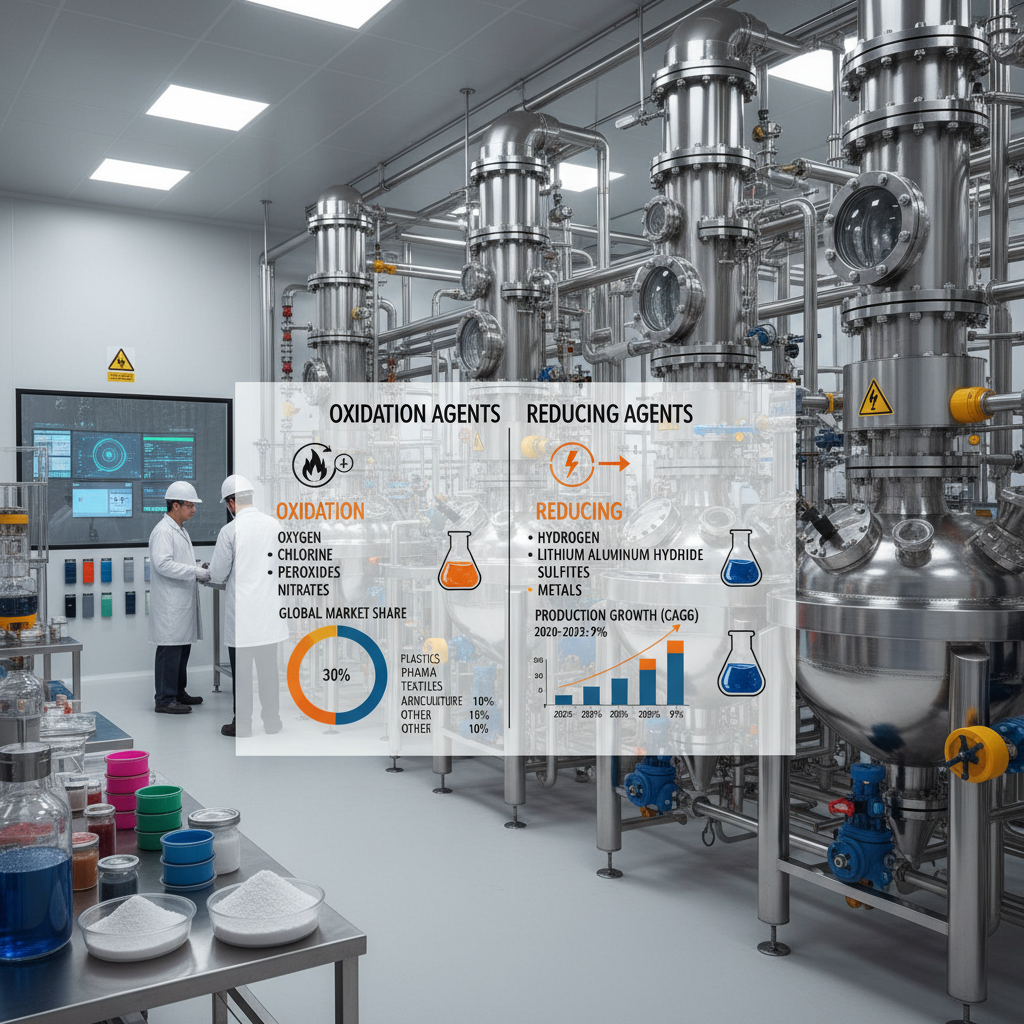
The principles of oxidation and reducing agent underpin numerous industrial applications, including metal refining, battery technology, and the production of essential chemicals. Furthermore, a growing awareness of environmental issues has led to increased focus on utilizing these reactions for pollution control and resource recovery, highlighting the vital role of oxidation and reducing agent in creating a greener future.

Defining Oxidation and Reducing Agent

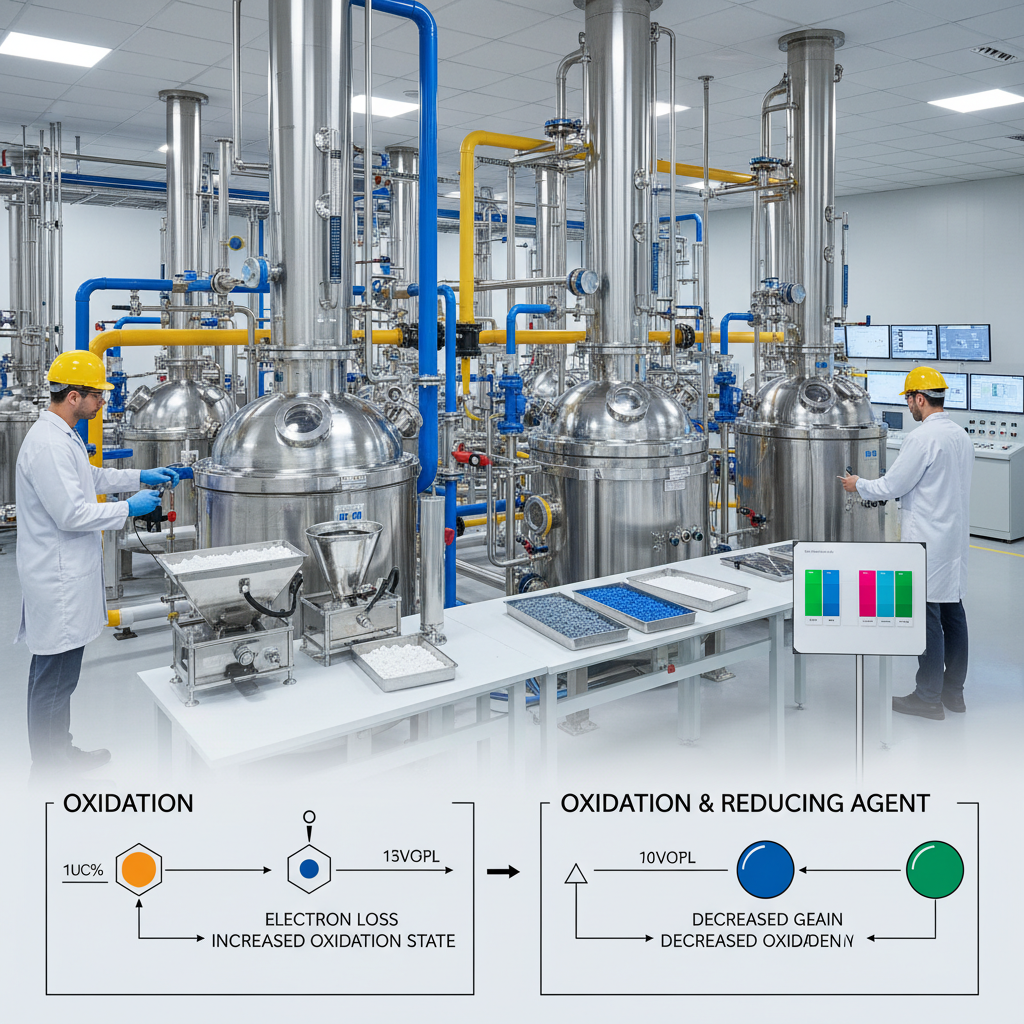
In the simplest terms, oxidation is the loss of electrons, while reduction is the gain of electrons. These processes always occur together; you cannot have oxidation without simultaneous reduction. A substance that causes another to be oxidized is called an oxidizing agent, while a substance that causes another to be reduced is called a reducing agent. These agents themselves undergo changes in their own oxidation states during the reaction.

The concept of oxidation and reducing agent isn’t limited to electron transfer. It also encompasses changes in oxidation numbers, which represent the hypothetical charge of an atom in a molecule. This broader definition allows for the analysis of more complex reactions where electron transfer is not immediately apparent. Understanding these nuances is crucial for accurately predicting and controlling chemical transformations.

The importance of understanding oxidation and reducing agent extends to many modern applications. For example, corrosion, a common and costly problem, is fundamentally an oxidation process. Likewise, the operation of batteries and fuel cells relies on controlled oxidation-reduction reactions to generate electricity. This connection to both everyday problems and cutting-edge technologies underscores the significance of this foundational chemical concept.

Core Principles of oxidation and reducing agent

The strength of an oxidizing or reducing agent is determined by its reduction potential, which measures its tendency to gain electrons. A higher reduction potential indicates a stronger oxidizing agent, while a lower potential signifies a stronger reducing agent. This potential is often measured relative to a standard hydrogen electrode (SHE).

Balancing redox reactions, those involving oxidation and reduction, is a fundamental skill in chemistry. This involves ensuring that the number of electrons lost in oxidation equals the number of electrons gained in reduction. Several methods exist for balancing these equations, including the half-reaction method and the oxidation number method.

Factors like pH, temperature, and the presence of catalysts can significantly influence the rate and equilibrium of oxidation-reduction reactions. Catalysts, in particular, can lower the activation energy required for the reaction to proceed, increasing its speed without being consumed themselves. Understanding these effects is essential for optimizing reaction conditions in industrial and laboratory settings.

Practical Considerations in Oxidation-Reduction Processes

Electrode potentials are crucial for predicting the spontaneity of redox reactions. A positive cell potential (calculated from the standard reduction potentials of the half-reactions) indicates a spontaneous reaction, while a negative potential suggests a non-spontaneous reaction requiring external energy input. The Nernst equation allows for the calculation of cell potentials under non-standard conditions.

Corrosion control, a major industrial challenge, relies heavily on manipulating oxidation and reducing agent. Techniques like cathodic protection involve making the metal to be protected the cathode in an electrochemical cell, thereby preventing its oxidation. Similarly, the use of sacrificial anodes provides a more readily oxidized metal to protect the primary structure.

oxidation and reducing agent Method Comparison

Global Applications of oxidation and reducing agent

In the realm of environmental science, oxidation and reducing agent play a critical role in wastewater treatment. Processes like chlorine disinfection utilize oxidizing agents to eliminate harmful pathogens, while bioremediation techniques leverage the reducing power of microorganisms to break down pollutants. These applications contribute significantly to protecting public health and preserving ecosystems.

The energy sector heavily relies on oxidation and reducing agent, particularly in the development of batteries and fuel cells. Lithium-ion batteries, ubiquitous in portable electronics and electric vehicles, function based on the reversible transfer of lithium ions, a redox process. Similarly, fuel cells convert chemical energy into electrical energy through controlled oxidation-reduction reactions, offering a clean and efficient alternative to traditional power generation.

Benefits of Utilizing oxidation and reducing agent Effectively

Employing a thorough understanding of oxidation and reducing agent leads to significant cost savings in many industrial processes. Optimizing reaction conditions, minimizing waste generation, and maximizing product yields all contribute to improved economic efficiency. Furthermore, the development of more sustainable chemical processes reduces the environmental impact and associated costs of pollution control and remediation.

Beyond economic benefits, effective utilization of oxidation and reducing agent promotes environmental sustainability. By developing cleaner technologies and reducing reliance on hazardous chemicals, we can minimize pollution and conserve valuable resources. This contributes to a healthier planet for future generations and fosters a more responsible approach to industrial practices.

From a safety perspective, controlling oxidation and reducing agent is paramount. Many redox reactions are highly exothermic and can pose explosion hazards if not managed properly. A deep understanding of these reactions allows for the implementation of appropriate safety protocols and the development of safer chemical processes, protecting workers and the surrounding environment.

Future Trends in oxidation and reducing agent Research

The development of new electrocatalysts is a key area of research in oxidation and reducing agent. These catalysts aim to enhance the efficiency and selectivity of redox reactions, particularly in energy conversion and storage applications. Nanomaterials and metal-organic frameworks (MOFs) are being explored as promising candidates for next-generation electrocatalysts.

Green chemistry principles are driving the development of more environmentally friendly oxidizing and reducing agents. Researchers are exploring alternative reagents and reaction conditions that minimize waste, reduce toxicity, and utilize renewable resources. This focus on sustainability is essential for creating a more responsible and environmentally conscious chemical industry.

Advancements in computational chemistry and machine learning are accelerating the discovery and optimization of oxidation and reducing agent. These tools allow researchers to predict reaction pathways, assess catalyst performance, and design new materials with tailored properties, significantly speeding up the development process.

Summary of Factors Influencing Redox Reaction Performance

Catalyst Type Reaction Temperature (°C) pH Level Reaction Rate (Arbitrary Units)
Platinum-based 25 7 8.5
Nickel-based 50 9 7.2
Iron Oxide 75 6 6.1
Copper-based 40 8 7.8
Palladium-based 30 7.5 9.1
Manganese Oxide 60 5 5.5

FAQS

What is the primary difference between oxidation and corrosion?

While both involve the loss of electrons, corrosion specifically refers to the oxidation of metals, typically resulting in their deterioration. Oxidation is a broader chemical process that can occur with any substance capable of losing electrons, including non-metals. Corrosion is a specific type of oxidation, limited to metallic materials, and often driven by environmental factors like moisture and oxygen. Understanding this distinction is crucial for implementing appropriate preventative measures and selecting suitable materials.

How do antioxidants protect against oxidation in biological systems?

Antioxidants act as reducing agents, meaning they readily donate electrons to stabilize free radicals – highly reactive molecules that initiate chain reactions leading to oxidative damage. By providing these electrons, antioxidants neutralize free radicals, preventing them from attacking vital cellular components like DNA and lipids. This protective effect is crucial for maintaining cellular health and preventing age-related diseases. Dietary sources of antioxidants include vitamins C and E, as well as various plant compounds.

Can oxidation-reduction reactions be used to generate energy?

Absolutely. Redox reactions are the fundamental basis of energy generation in many processes. In respiration, the oxidation of glucose releases energy that is used to create ATP, the primary energy currency of cells. Similarly, batteries and fuel cells convert chemical energy into electrical energy through controlled redox reactions. Even combustion, the burning of fuels, is a rapid redox process releasing heat and light.

What are some common industrial applications of reducing agents?

Reducing agents are essential in numerous industrial processes. For example, hydrogen is used as a reducing agent in the Haber-Bosch process for ammonia synthesis, crucial for fertilizer production. Metal ores are often reduced to obtain pure metals, utilizing reducing agents like carbon or carbon monoxide. They’re also used in photography, food preservation, and the manufacturing of various chemicals.

How does pH affect the rate of a redox reaction?

pH can significantly influence redox reactions, particularly those involving ions. The concentration of hydrogen ions (H+) or hydroxide ions (OH-) can alter the reduction potentials of reactants, shifting the equilibrium and affecting the reaction rate. Some redox reactions are accelerated in acidic conditions, while others are favored in alkaline environments. The specific pH dependence varies depending on the specific reactants and reaction mechanism.

What role do catalysts play in oxidation-reduction processes?

Catalysts accelerate redox reactions without being consumed in the process. They do this by lowering the activation energy required for the reaction to occur, often by providing an alternative reaction pathway. Catalysts don't change the equilibrium of the reaction; they simply help it reach equilibrium faster. Common catalysts used in redox reactions include transition metals and enzymes.

Conclusion

oxidation and reducing agent are cornerstones of chemical understanding, profoundly impacting fields ranging from energy production and environmental science to biological processes and industrial manufacturing. The ability to control and manipulate these reactions is critical for addressing some of the world’s most pressing challenges, including climate change, resource scarcity, and sustainable development. A solid grasp of these principles is no longer solely the domain of chemists but is becoming increasingly vital for professionals across diverse disciplines.

Looking ahead, continued research into electrocatalysis, green chemistry, and computational modeling promises to unlock even more efficient and sustainable redox technologies. By embracing these advancements and fostering interdisciplinary collaboration, we can harness the power of oxidation and reducing agent to create a more prosperous and environmentally responsible future. Visit our website at www.dyeingchem.com to learn more about our work in this exciting field.

William Lee

William Lee

William Lee is a seasoned Manufacturing Expert, serving as a key advisor and mentor within our production team. He has been with the company since its inception in 1999, witnessing and contributing to our growth from a specialized production facility to an international enterprise. William’s profound knowledge of textile dyeing processes, accumulated over 25+ years, is invaluable. He is instrumental in troubleshooting complex manufacturing challenges and training the next generation of production specialists. He’s a steadfast champion of our commitment to quality and continuous improvement.
Previous Understanding Oxygen Reducing Agent Applications and Future Advancements
Next Understanding the Crucial Roles of Oxidising and Reducing Agent in Modern Science

If you are interested in our products, you can choose to leave your information here, and we will be in touch with you shortly.