Look, I’ve been running around construction sites for, well, too long now to remember. You see a lot. And lately? Everyone’s obsessed with prefabrication. Modular this, offsite that. It’s not new, not by a long shot, but the push is real now. Labor shortages, tighter deadlines, everyone wants faster, cheaper, better… you name it. Honestly, it’s a scramble. But it also means a lot of folks are trying to cut corners, and that’s where things get tricky.
Have you noticed how everyone’s going for lighter materials? It sounds great on paper, reduces transport costs, easier to handle… but sometimes, it just feels… flimsy. I encountered this at a factory in Ningbo last time, they were using this new composite paneling. Looked great in the showroom, but when you tapped it, it sounded hollow. Hollow! You’re building structures that need to last, not cardboard castles.
And that brings me to the materials themselves. We're leaning heavily into high-strength steel, obviously. S355J2 is the workhorse, feels solid, smells like… well, steel, I guess? Bit oily if you’re not careful. Then there's the aluminum alloys, especially for cladding. 6061-T6, nice to work with, cuts clean. But you gotta watch for corrosion, especially near the coast. We're also seeing more engineered wood products – CLT, glulam. They smell amazing, honestly, like a forest in a factory. But moisture is the enemy. You’ve got to seal it properly.
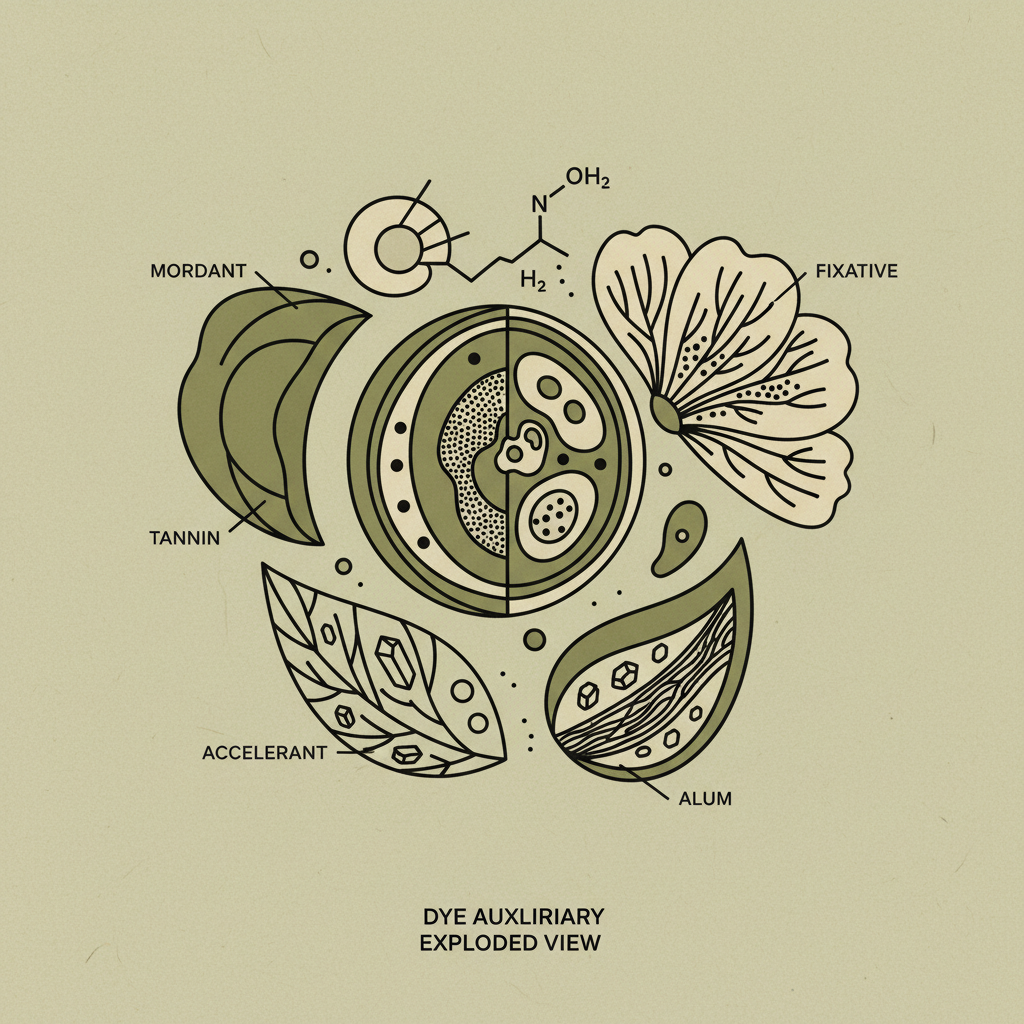
The Current Landscape of Dye Auxiliaries
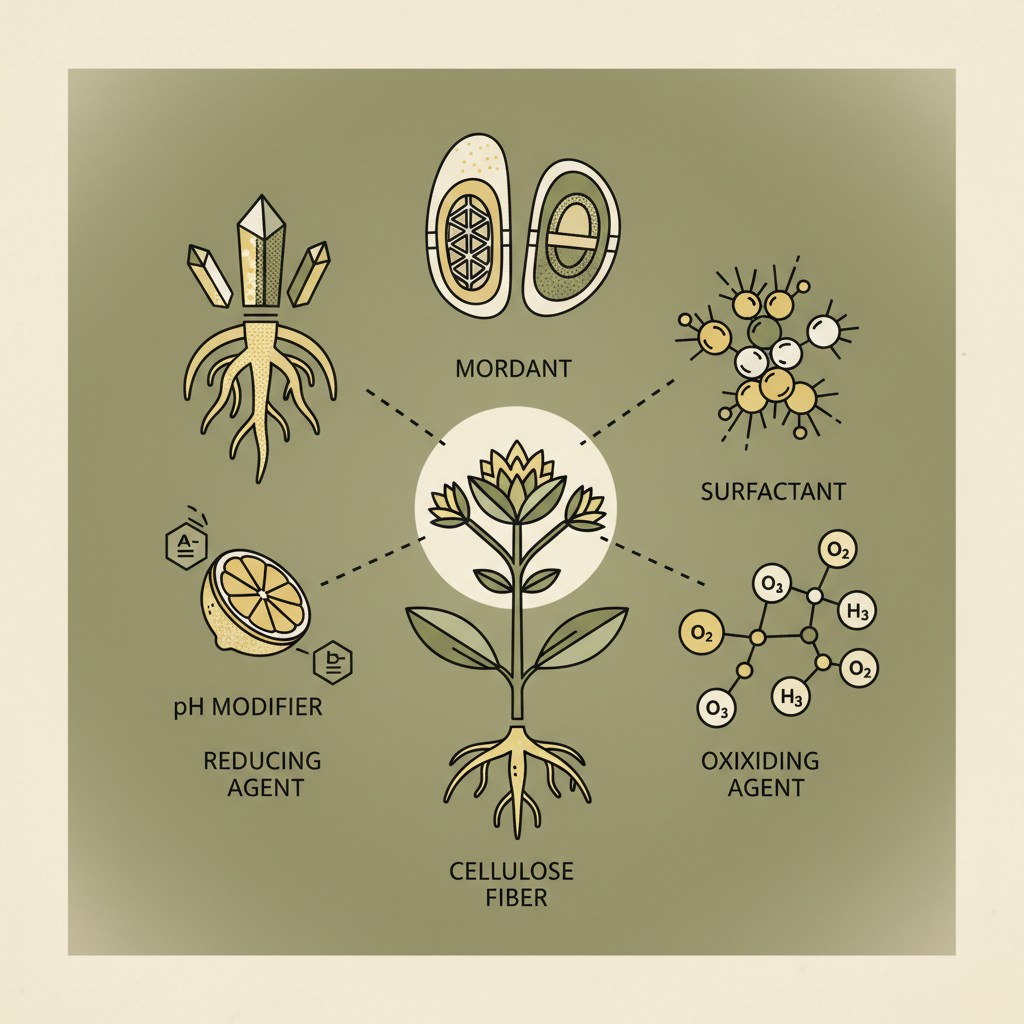
To be honest, the industry is moving towards more sustainable options, which is good. But ‘sustainable’ gets thrown around a lot, doesn’t it? We’re seeing a big push for bio-based auxiliaries, things derived from plant sources. It’s not always a direct replacement, mind you. Sometimes the performance isn't quite there yet. But the demand is driving innovation. And it's not just about being 'green'; it's about reducing VOCs and improving worker safety too.
Strangely enough, a lot of the innovation is coming from smaller companies, the ones willing to take risks. The big players are still playing catch-up, mostly tweaking existing formulas. They've got the distribution networks, sure, but the real breakthroughs are happening elsewhere.
FAQS
Honestly? They don't consider the whole process. They pick an auxiliary based on a single property, like wetting ability, without thinking about how it will interact with the dye, the fiber, and the water. It's a recipe for disaster. Compatibility is everything. You need to look at the big picture, not just the individual components. Ignoring the water quality, temperature, and pH is also a common error.
That’s a loaded question. Some are, some aren’t. The technology is improving, but often there's a trade-off between environmental performance and effectiveness. Some bio-based auxiliaries just don't perform as well as their synthetic counterparts. It depends on the specific application and the desired results. You also have to be careful about ‘greenwashing’ – companies claiming to be eco-friendly when they’re not. Do your research.
Small-scale trials are crucial. We run shade matching tests, wash fastness tests, and light fastness tests. But we also do things like simulate the actual dyeing process – varying temperatures, pH levels, and liquor ratios. And, most importantly, we get feedback from the dyers on the shop floor. They’re the ones who know what works and what doesn’t. It's messy, it's time-consuming, but it's worth it.
PPE is a must – gloves, goggles, respirators when handling powders. Store them in a cool, dry place, away from direct sunlight. And always read the safety data sheet (SDS). A lot of these auxiliaries are concentrated liquids or powders, and they can be irritating to the skin and eyes. Proper ventilation is also important, especially when mixing or dispensing.
Absolutely. That’s where the real value lies. You can tweak the formulation to better match the fiber properties, the dye class, and the desired results. It takes some experimentation, but it can make a huge difference. We worked with a mill once that was having trouble dyeing a difficult blend of fibers. We tweaked the leveling agent and it completely solved the problem.
I think we'll see more bio-based auxiliaries, more sustainable formulations, and more customized solutions. The industry is moving towards greater efficiency and reduced environmental impact. And I suspect we'll see more automation in the dispensing and mixing of auxiliaries – less manual handling, more precise control. It's all about making the process smarter and more sustainable.
Conclusion
So, what’s the takeaway? Dye auxiliaries are the unsung heroes of the dyeing process. They’re not glamorous, but they’re essential. Choosing the right auxiliaries, handling them correctly, and testing them thoroughly can make all the difference between a successful run and a costly disaster. It’s about understanding the materials, the processes, and the needs of the customer.
Ultimately, whether this thing works or not, the worker will know the moment he tightens the screw. They’ll see if the dye’s leveling, if the shade’s consistent, if the fabric feels right. That's the real test.