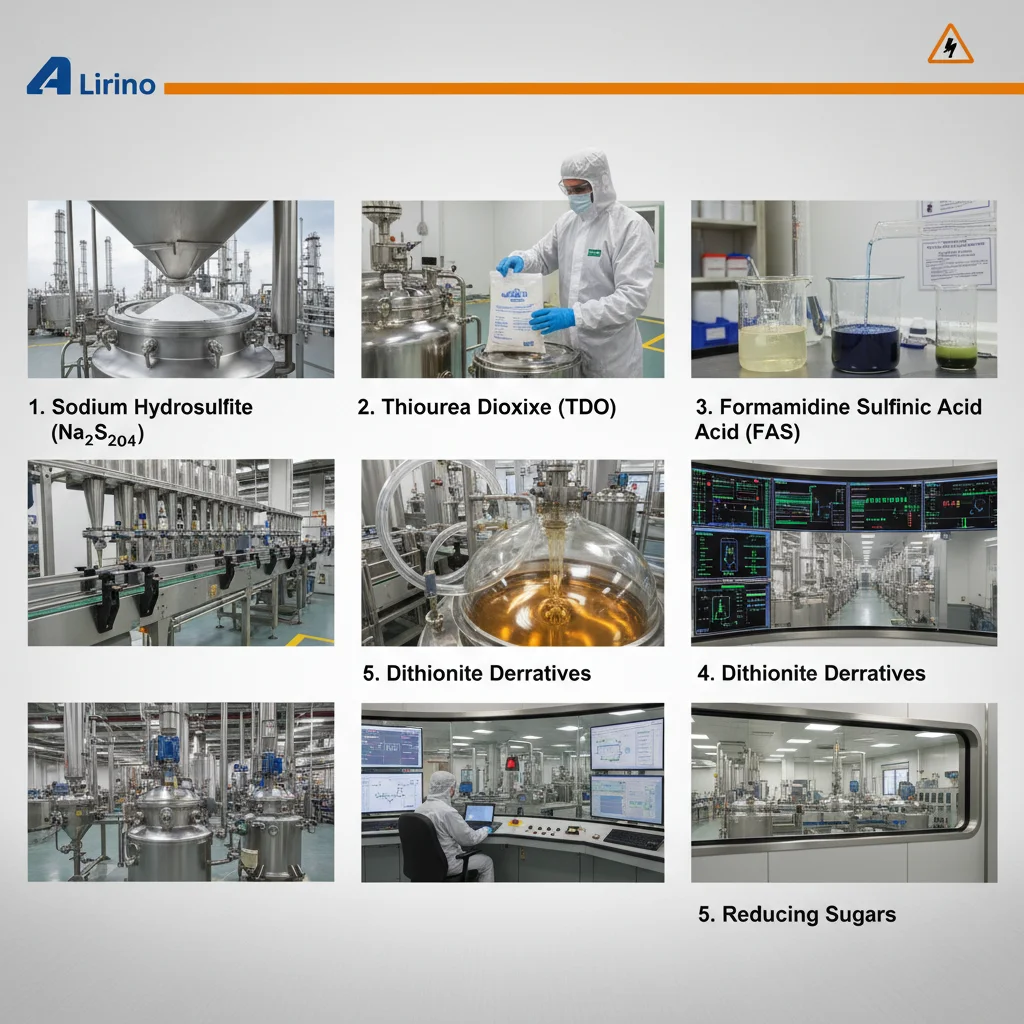
Reducing agents are crucial components in a vast array of industrial processes, environmental remediation efforts, and even biological systems. Understanding their properties, applications, and potential impacts is paramount for innovation and sustainability across numerous sectors. This knowledge empowers professionals to optimize processes, mitigate risks, and develop cutting-edge technologies, all while upholding responsible environmental practices. The effective utilization of a diverse reducing agent list is not just a matter of chemical engineering; it’s a cornerstone of modern progress.
Globally, the demand for efficient and environmentally conscious reducing agents continues to rise, driven by factors such as stricter environmental regulations, the need for sustainable manufacturing practices, and advancements in materials science. Industries like textiles, pharmaceuticals, water treatment, and energy storage all heavily rely on these agents. Consequently, research and development efforts are focused on discovering novel reducing agents with enhanced performance characteristics, reduced toxicity, and cost-effectiveness.
The implications of mastering this field extend far beyond the laboratory and factory floor. From reducing pollution to improving the efficiency of renewable energy sources, understanding the nuances of a comprehensive reducing agent list is vital for tackling some of the most pressing challenges facing our planet today.

Introduction: Global Relevance of reducing agent list
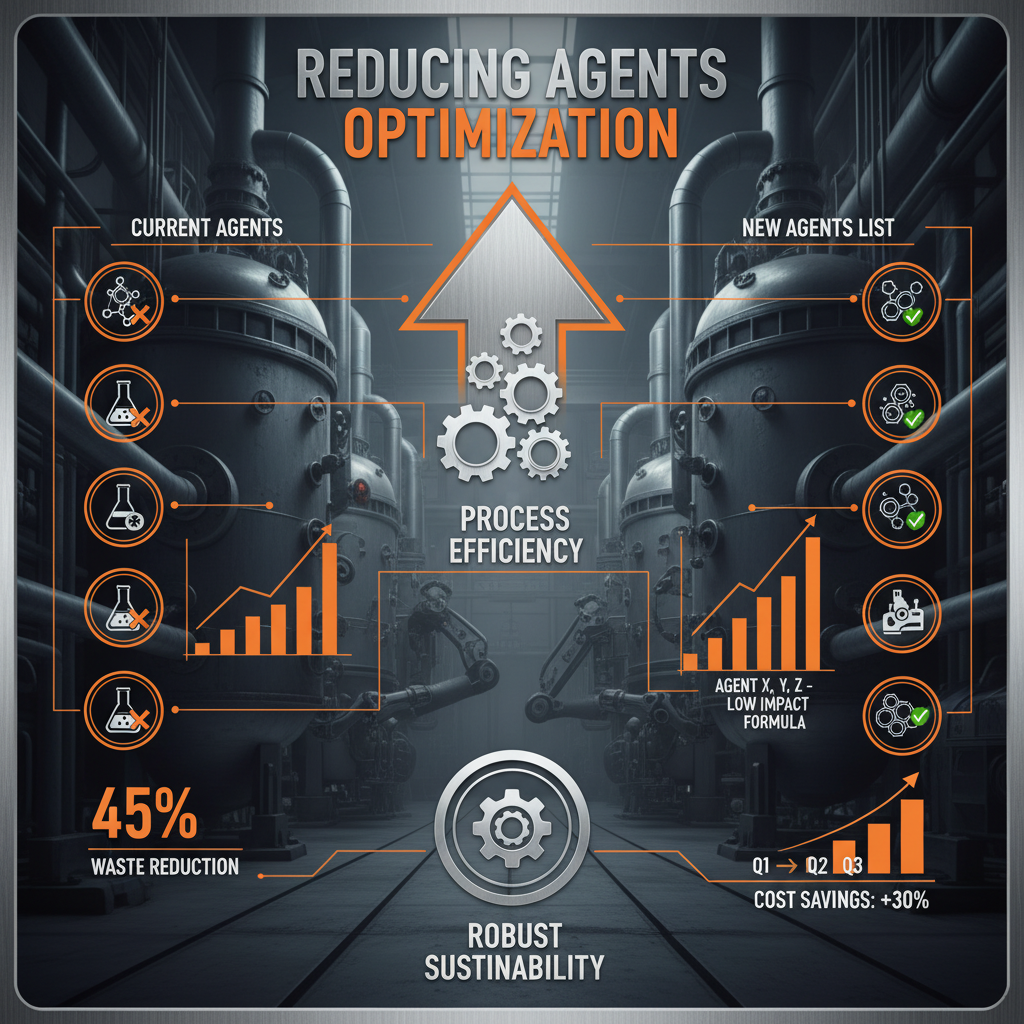
The global reliance on reducing agents is substantial and deeply interwoven with various essential industries. According to the United Nations Environment Programme (UNEP), industrial wastewater treatment – often dependent on reducing agents for pollutant removal – is a critical area for environmental protection. The World Bank also highlights the need for efficient water management practices that leverage these agents to ensure sustainable resource utilization. A comprehensive reducing agent list is therefore paramount for addressing global challenges.
One significant challenge is the environmental impact of certain traditional reducing agents. Many conventional options pose risks related to toxicity, persistence, and the generation of harmful byproducts. This has spurred extensive research into “green” reducing agents, aiming to minimize ecological footprints while maintaining efficacy. The ISO 14000 series of standards increasingly emphasizes the importance of environmentally responsible chemical management, indirectly influencing the demand for safer reducing agent alternatives.
FAQS
When selecting a reducing agent, several factors are critical. These include the required reduction potential, selectivity to avoid unwanted side reactions, cost-effectiveness, environmental impact, safety considerations (toxicity, flammability), and compatibility with other components in the system. A thorough understanding of these factors will guide you to an appropriate choice from a reducing agent list.
“Green” reducing agents, like Vitamin C or bioreduction methods, often exhibit comparable or even superior performance in specific applications, particularly where selectivity and environmental impact are paramount. While some may initially have higher costs, long-term benefits include reduced waste disposal expenses and enhanced sustainability. Ongoing research is continually closing the performance gap between green and traditional reducing agents.
Reducing agents can be reactive and potentially hazardous. Always wear appropriate personal protective equipment (PPE), including gloves, goggles, and respirators, as needed. Ensure adequate ventilation, avoid contact with incompatible materials (e.g., oxidizers), and follow established safety protocols for handling and storage. Refer to the Material Safety Data Sheet (MSDS) for specific guidance on each agent.
Proper disposal of waste containing reducing agents is critical to minimize environmental impact. Do not dispose of these materials down the drain or into the general waste stream. Consult local regulations and guidelines for proper disposal methods, which may involve chemical treatment, incineration, or specialized waste management facilities.
pH significantly influences the effectiveness of many reducing agents. Some agents function optimally under acidic conditions, while others perform better in alkaline environments. Maintaining the appropriate pH is crucial for maximizing the reducing agent’s activity and ensuring a successful reaction. Understanding this relationship is key to selecting the right agent and optimizing its application.
Finding a comprehensive and reliable reducing agent list can be challenging. Specialized chemical suppliers like Dyeingchem.com offer detailed product specifications, technical data sheets, and safety information. Academic databases and chemical handbooks also provide valuable resources for researching reducing agents and their properties.
Conclusion
In conclusion, a thorough understanding of reducing agents—from their fundamental chemistry to their diverse applications—is essential for innovation and sustainability across a wide range of industries. Choosing the appropriate agent from a comprehensive reducing agent list, considering factors like potency, selectivity, cost, and environmental impact, is crucial for optimizing processes and mitigating risks.
Looking ahead, the field of reducing agent technology is poised for significant advancements driven by the development of “green” alternatives, nanomaterials, and digitalization. By embracing these innovations and prioritizing responsible chemical management, we can unlock the full potential of reducing agents to address global challenges and build a more sustainable future. Visit our website at www.dyeingchem.com to explore a comprehensive selection of reducing agents and expert technical support.
Related Posts