
To be honest, things have been moving fast lately. Everyone’s talking about sustainability, right? And modular design. It’s not just a buzzword anymore. You go to any construction site now, and they're all trying to figure out how to pre-fab more, use lighter materials… it's a scramble. And believe me, I’ve seen a lot of good intentions go sideways.
Have you noticed how everyone jumps on the carbon fiber bandwagon? Seems like anything with “carbon fiber” slapped on it automatically gets a price hike. It’s strong, yeah, light too, but the cost… and the way it splinters when you cut it? Nightmare fuel. I encountered this at a factory in Ningbo last time; the dust gets everywhere. Anyway, I think people forget sometimes that ‘strong’ doesn’t always mean ‘right for the job.’
We’re mostly focused on advanced polymer auxiliaries chemicals here, and getting those right is critical. It's funny, you wouldn’t think something that supports the main materials would be so complex. But it is.
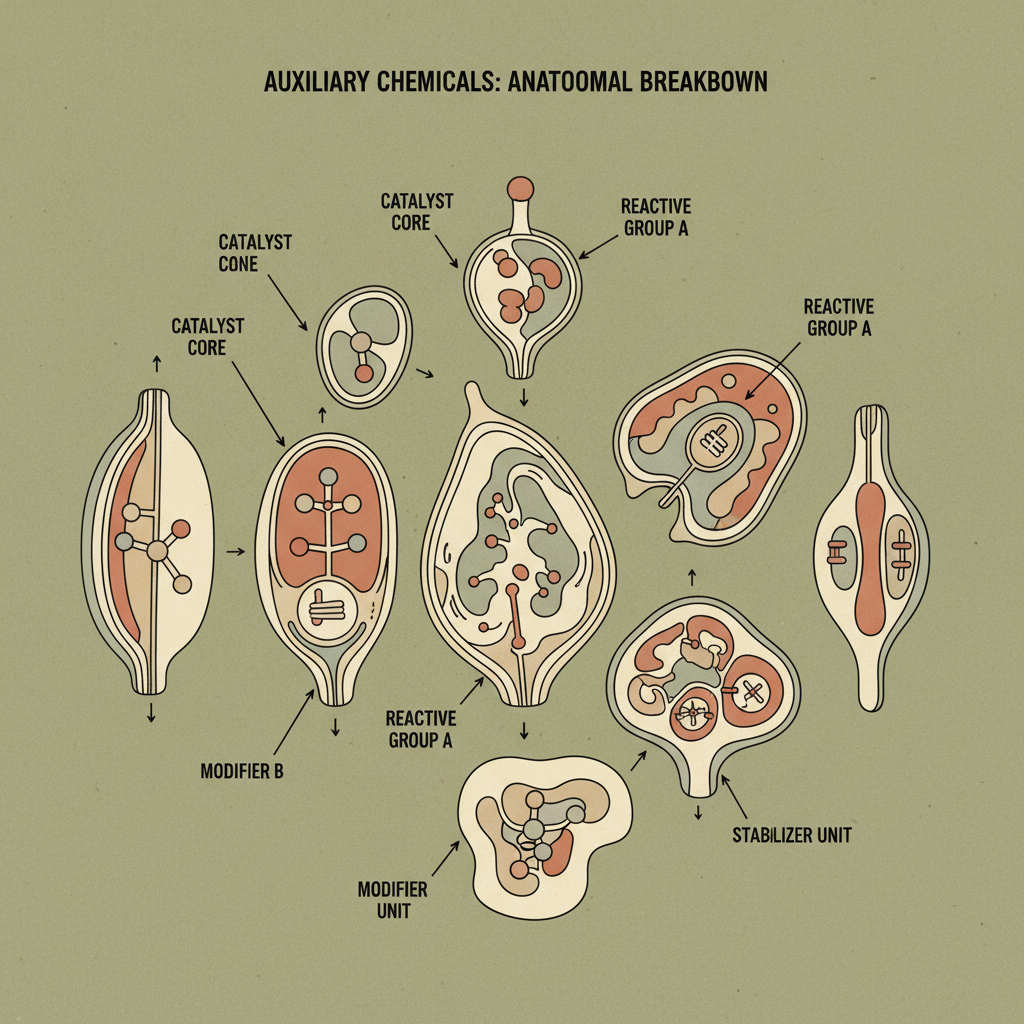
Introduction to Modern Auxiliaries Chemicals

Look, a lot of folks don't realize how much goes into making something stick. Or, you know, not fall apart. These aren’t glamorous materials. They don’t end up on the showroom floor. But they're the reason that showroom floor stays put. We’re talking about things like surfactants, dispersants, leveling agents, anti-foaming agents... the list goes on.
The global market for these materials is huge, estimated to be around $80 billion and growing, driven mainly by the construction, textiles, and coatings industries. The ISO standards are constantly being updated to keep pace with new environmental regulations and performance demands. The pressure is on to create auxiliaries chemicals that are not only effective but also sustainable – less VOCs, biodegradable options, that sort of thing. It’s a whole new ball game.
FAQS
Honestly, it's chasing the cheapest price. They see a lower price tag and think they’re saving money, but they often end up with inferior performance, increased waste, and ultimately, higher costs in the long run. You get what you pay for, plain and simple. A good auxiliaries chemicals isn’t always the most expensive, but the cheapest is almost always the worst. It’s a false economy. We’ve seen it time and again – a cheap dispersant causes uneven pigment distribution, resulting in a faulty coating that needs to be scrapped. The initial savings are wiped out by rework and wasted materials.
It’s becoming massively important, and not just because of regulations. Customers are demanding it. Especially in Europe and North America, they want to know where materials come from and what impact they have on the environment. We’re seeing a huge push for bio-based auxiliaries chemicals and formulations with lower VOCs. It’s challenging, but it’s a necessary shift. Plus, a sustainable approach often leads to more efficient processes and reduced waste, which benefits everyone.
Absolutely. Customization is huge. Take that small boss in Shenzhen last month who makes smart home devices. He insisted on changing the connector on the adhesive to instead of the standard micro-USB. Seemed like a weird request at first. But it turned out he was designing the device to integrate seamlessly with his existing ecosystem. It required a completely custom formulation, and it wasn't cheap, but it allowed him to differentiate his product and gain a competitive advantage. We can adjust everything from viscosity to adhesion strength to thermal conductivity to meet specific needs.
We do a ton of testing, but it’s not all done in a lab. We need to see how these materials perform in the real world. We send samples to our clients’ factories for on-site evaluation. We expose them to harsh conditions – extreme temperatures, humidity, UV radiation, chemical exposure – everything they’ll encounter in actual use. We also conduct rigorous lab tests to verify key properties like viscosity, surface tension, and adhesion strength. And we document everything meticulously.
Compatibility is a major concern. We have a database of known interactions between different chemicals, and we use that as a starting point. But we also do a lot of trial and error. We mix small batches of different formulations and observe how they behave. We look for signs of incompatibility, like precipitation, viscosity changes, or reduced adhesion. It’s a painstaking process, but it’s essential to ensure that our products work seamlessly together.
Supply chain disruptions are a huge headache. Raw material prices are fluctuating wildly, and it’s becoming increasingly difficult to source certain chemicals. Plus, there’s the ongoing pressure to develop more sustainable and environmentally friendly products. It’s a complex landscape, but it’s also an opportunity for innovation. Companies that can adapt and embrace new technologies will be the ones that succeed.
Conclusion
So, what does it all come down to? Auxiliaries chemicals aren’t sexy, they aren’t glamorous, but they’re absolutely essential. They’re the glue that holds everything together, literally. Investing in the right auxiliaries chemicals can lead to improved product quality, reduced costs, increased sustainability, and a significant competitive advantage. It’s about understanding the science, paying attention to the details, and focusing on real-world performance.
Ultimately, whether this thing works or not, the worker will know the moment he tightens the screw. And that’s all that really matters. If you're looking for reliable, high-performance auxiliaries chemicals for your next project, visit our website: www.dyeingchem.com.
Related Posts
-

The Crucial Role of Powerful Reducing Agents in Industry and Environmental Sustainability
-
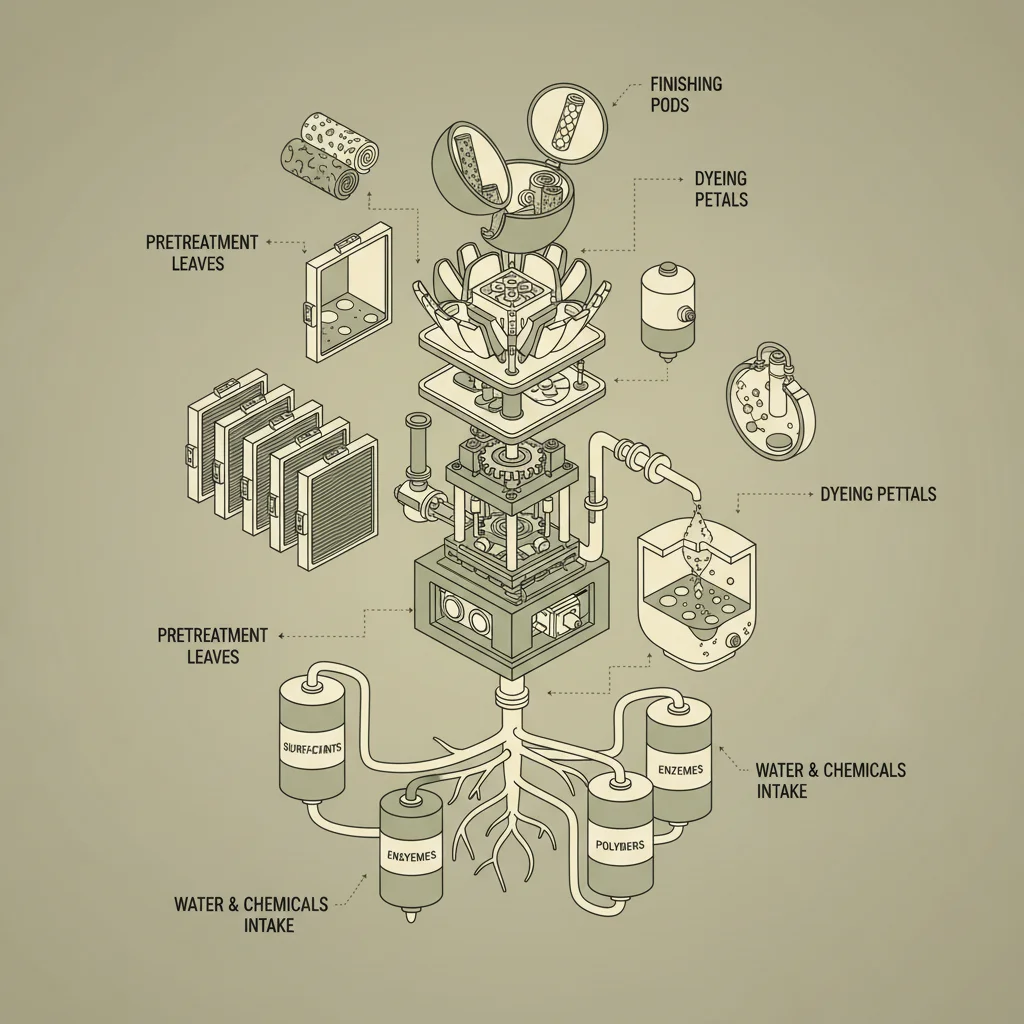
Navigating Challenges in Modern Construction with textile auxiliaries manufacturers
-
How to Choose a Better Oxidizing Agent for Textile Processing
-
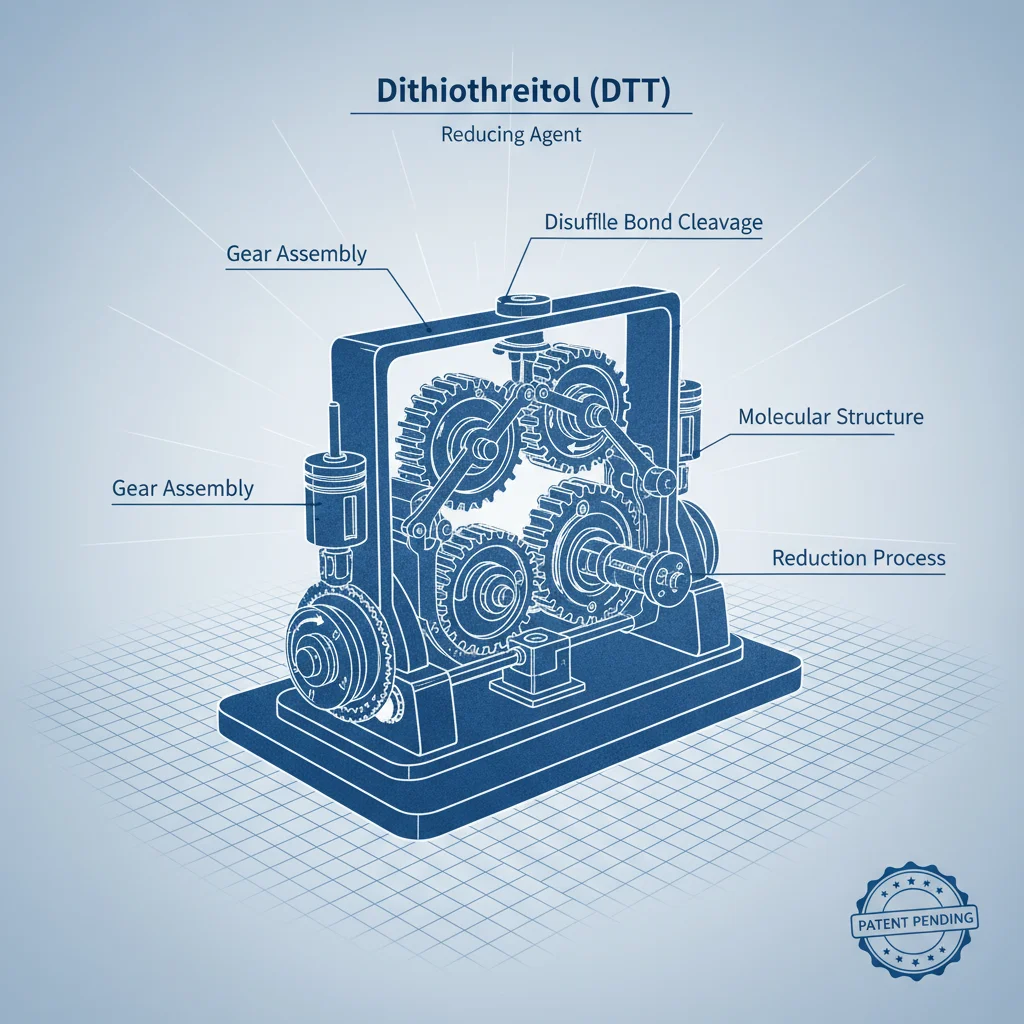
DTT Reducing Agent Applications in Biochemical Research and Pharmaceutical Industries